
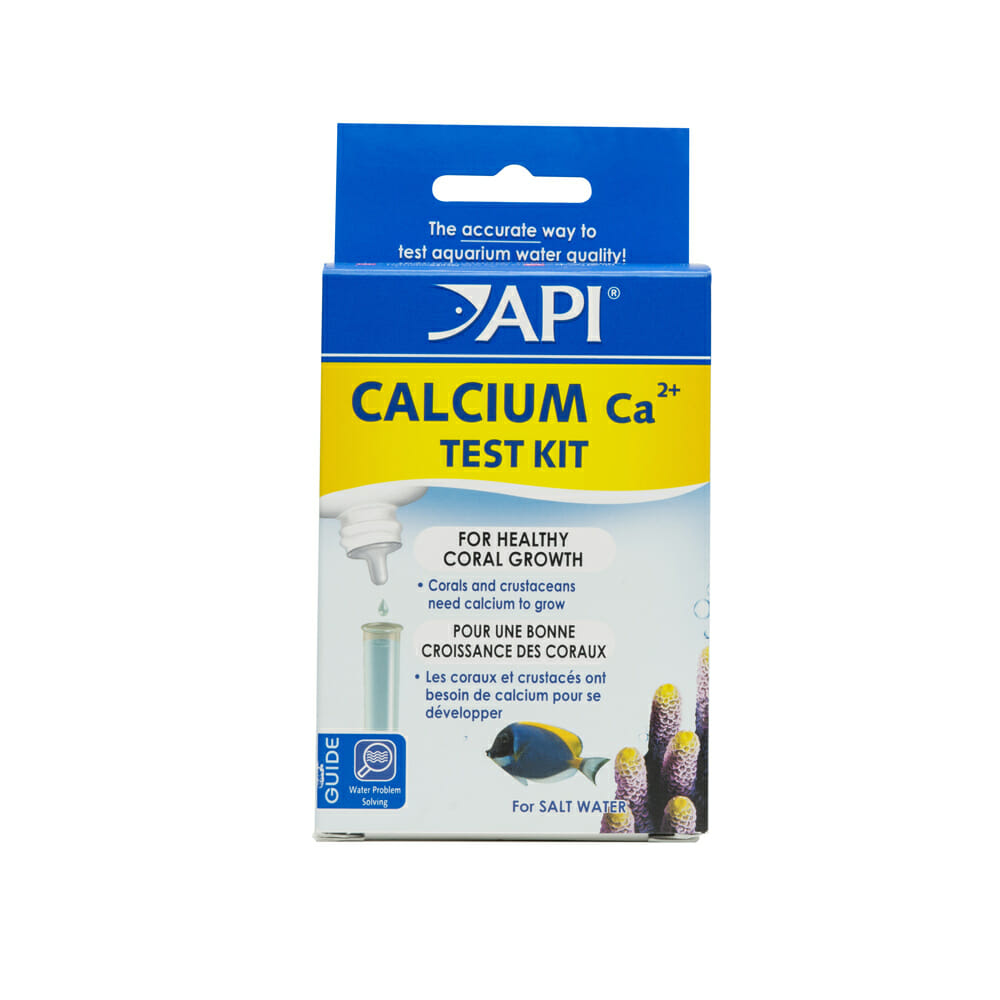
Marine aquariums are complex ecosystems that require careful attention to water chemistry to maintain the health and well-being of the marine life. One crucial aspect of water chemistry is calcium levels, which play a vital role in the development and maintenance of coral reefs. In this article, we will delve into the importance of calcium levels in marine aquariums, discuss methods for measuring them, and provide guidance on how to maintain optimal values.
The Importance of Calcium in Marine Aquariums
Calcium is an essential nutrient for corals and other marine organisms. It is necessary for their growth, development, and maintenance of skeletal structures. Without sufficient calcium, corals may become weakened or even die. In addition to coral health, high levels of calcium can have negative effects on the overall water chemistry of a marine aquarium.
Calcium plays a critical role in several biological processes in marine organisms:
- Shell formation: Calcium is essential for the formation of shells and skeletons in corals and other marine animals.
- Bone growth: Calcium is necessary for the growth and maintenance of skeletal structures in fish, crustaceans, and mollusks.
- Cellular structure: Calcium ions help maintain cellular structure and function by regulating muscle contractions, nerve impulses, and intracellular signaling pathways.
Determining Optimal Calcium Levels
The optimal range for calcium levels in a marine aquarium is between 380 and 450 mg/liter. However, this value can vary depending on the specific marine life present in the tank. For example, corals require higher levels of calcium than some other marine organisms. Therefore, it is essential to determine the specific needs of your aquarium’s inhabitants before setting up a calcium testing protocol.
Factors Affecting Calcium Levels
Several factors can affect calcium levels in a marine aquarium:
- Water hardness: Hard water with high levels of calcium carbonate can lead to elevated calcium levels.
- pH levels: Changes in pH levels can impact the availability and utilization of calcium by marine organisms.
- Alkalinity levels: Low alkalinity levels can cause calcium to precipitate out of solution, leading to decreased calcium levels.
Measuring Calcium Levels
There are several methods for measuring calcium levels in a marine aquarium:
- Commercial tests: Commercial tests, such as the Salifert and Elos tests, provide a convenient and affordable way to measure calcium levels.
- Laboratory analysis: Laboratory analysis provides the most precise measurements of calcium levels but is more expensive than commercial tests.
Choosing the Right Test
When selecting a test for measuring calcium levels, it is essential to choose one that is reliable, accurate, and easy to use. Some popular options include Salifert, Elos, and Tropic Marine. While all three tests are available in different versions, they may have varying degrees of accuracy and ease of use.
Salifert Test
The Salifert test is a popular choice for measuring calcium levels due to its high degree of accuracy and affordability. The test consists of two reagents (Ca-1 and Ca-2) and one powder reagent (Ca-3). To perform the test, you will need to add 8 drops of the Ca-2 reagent to the water sample and wait for 20 seconds before adding 1 ml of the Ca-3 reagent. The resulting color change can indicate the calcium level.
Elos Test
The Elos test is another popular option for measuring calcium levels. While it may be more expensive than the Salifert test, it provides similar accuracy and ease of use. However, some users have reported difficulty with interpreting the results.
Tropic Marine Test
The Tropic Marine test is a less commonly used option for measuring calcium levels. While it may provide accurate results, its complexity and high cost make it less desirable to many users.
Interpreting Results
Once you have obtained the results of your calcium testing protocol, it is essential to interpret them accurately. The Salifert test provides a scale from 0.00 to 0.98, which corresponds to specific calcium levels in mg/liter. By understanding the relationship between this scale and actual calcium levels, you can make informed decisions about your aquarium’s water chemistry.
Conclusion
Maintaining optimal calcium levels is crucial for the health and well-being of marine life in an aquarium. By choosing the right test and following a reliable testing protocol, you can ensure that your aquarium remains balanced and thriving. Remember to always follow proper safety precautions when performing tests, and consult with experts if you have any questions or concerns.
Frequently Asked Questions
- What is the optimal range for calcium levels in a marine aquarium?
The optimal range for calcium levels in a marine aquarium is between 380 and 450 mg/liter. - Why is it essential to test calcium levels regularly?
Testing calcium levels regularly helps maintain optimal water chemistry, ensuring the health and well-being of your marine life. - What are the most accurate methods for measuring calcium levels?
Laboratory analysis provides the most precise measurements of calcium levels. Commercial tests can be convenient but may not always provide accurate results. - How often should I test my aquarium’s calcium levels?
You should test your aquarium’s calcium levels every 2-4 weeks to ensure optimal water chemistry. - Can I use a single test for both calcium and other nutrients in my aquarium?
No, it is recommended to use separate tests for each nutrient to ensure accurate results and proper treatment. - How do I interpret the results of my calcium testing protocol?
The Salifert test provides a scale from 0.00 to 0.98, which corresponds to specific calcium levels in mg/liter. By understanding this relationship, you can make informed decisions about your aquarium’s water chemistry. - What are some common mistakes when measuring calcium levels?
Common mistakes include using expired reagents, not following proper safety precautions, and failing to calibrate the test equipment correctly. - Can I use a different test for measuring calcium levels if my aquarium is under stress?
Yes, you may need to adjust your testing protocol or seek professional advice if your aquarium is under stress or experiencing other issues.
By following these guidelines and using the right tools, you can maintain optimal calcium levels in your marine aquarium and ensure the health and well-being of your marine life.


