
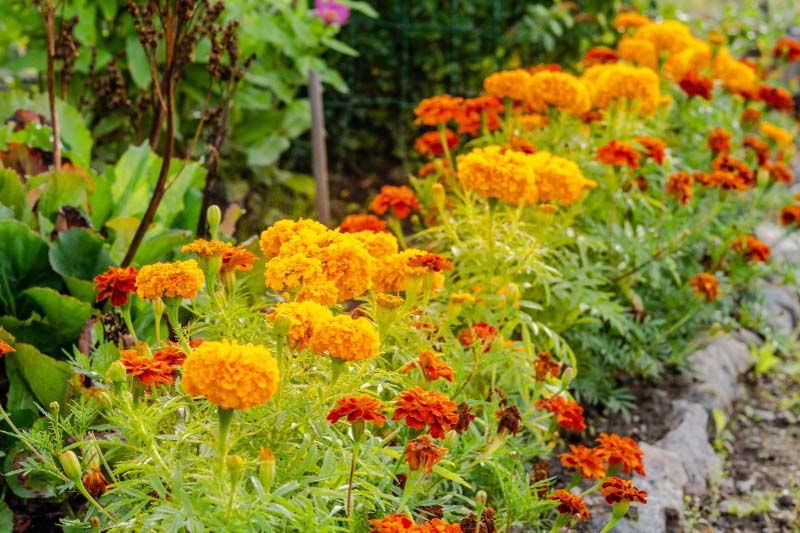
Are you ready to add a pop of color and fragrance to your garden? Look no further than the beautiful calendula flower! This easy-to-grow flower is perfect for beginners and experienced gardeners alike. In this article, we’ll take a closer look at the different types of calendula, when to plant them, how to prepare the soil, and more.
Understanding Calendula: The Basics
Calendula is a type of flower that belongs to the daisy family. There are approximately 50 species of calendula, but the most common ones you’ll see in gardens are the Calendula officinalis (English Marigold) and the Calendula erecta (African Marigold). The English Marigold is native to Europe and has bright orange-yellow flowers with a strong, pungent scent. The African Marigold, on the other hand, is native to Africa and has tall, statuesque stems that produce large, showy flowers.
Choosing the Right Calendula for Your Garden
When it comes to choosing the right calendula for your garden, there are several factors to consider. Here are a few things to keep in mind:
- Climate: If you live in an area with hot summers and mild winters, you’ll want to choose a calendula that’s tolerant of heat and drought. The African Marigold is a good choice for these types of climates.
- Soil: Calendulas prefer well-draining soil that’s rich in organic matter. If your soil is heavy clay or sandy, you may need to amend it before planting.
- Sunlight: Calendulas love full sun and can tolerate temperatures up to 90°F (32°C).
When to Plant Your Calendula
Calendula flowers are easy to grow from seed, but they do have a specific growing season. In temperate climates, the best time to plant calendula is in early spring or late summer/early fall. This allows the plants to mature before the first frost.
- Sowing Seeds: Sow seeds directly in the garden once the soil has warmed up to at least 55°F (13°C). You can also start seedlings indoors and then transplant them outside when they’re about 6-8 inches tall.
- Direct Sowing: Direct sowing is a simple and effective way to get your calendula started. Just make sure the soil is well-draining and the seeds are spaced about 3-4 inches apart.
Preparing the Soil for Your Calendula
Before planting your calendula, you’ll want to prepare the soil by adding organic matter such as compost or manure. This will help improve drainage and fertility in the soil.
- Soil pH: Calendulas prefer a slightly acidic to neutral soil pH (around 6-7).
- Fertilizer: Use a balanced fertilizer that’s low in nitrogen, high in phosphorus and potassium.
- Mulch: Mulching around the base of your calendula plants will help retain moisture and suppress weeds.
Growing Your Calendula
Once you’ve planted your calendula, here are a few tips to keep them healthy and thriving:
- Watering: Water your calendula regularly, but avoid overwatering. The soil should be moist but not soggy.
- Pruning: Prune your calendula regularly to encourage bushy growth and prevent the plants from becoming leggy.
- Fertilization: Avoid fertilizing your calendula during the growing season. Instead, use a balanced fertilizer in early spring or late summer/early fall.
Common Problems with Calendula
While calendulas are generally easy to grow, they can be susceptible to certain problems such as:
- Pests: Aphids, whiteflies, and spider mites can all be pests on calendula plants.
- Diseases: Powdery mildew, leaf spot, and root rot can all affect calendula plants.
Tips for Growing Calendula in Small Spaces
If you have limited space in your garden, don’t worry! Calendulas are easy to grow in small spaces. Here are a few tips:
- Container Gardening: Use containers that are at least 6-8 inches deep and have good drainage holes.
- Vertical Gardening: Train your calendula plants to climb up a trellis or other support.
- Succession Planting: Plant new batches of seeds every few weeks to ensure a constant supply of flowers.
Using Calendula in Crafts and Cooking
Calendulas are not only beautiful, but they’re also versatile. Here are a few ways you can use them in crafts and cooking:
- Dyeing Fabric: Use calendula petals as a natural dye for fabric.
- Making Potpourri: Dry the petals of your calendula plants and mix them with other dried flowers and herbs to create a beautiful potpourri.
- Cooking and Baking: Use calendula petals in salads, soups, and baked goods for their subtle flavor and fragrance.
Conclusion
Growing calendula flowers is a simple and rewarding process. By choosing the right type of calendula for your climate and soil, planting them at the right time, and providing regular care, you can enjoy these beautiful flowers in your garden all season long.
Frequently Asked Questions
Q: What’s the best way to start growing calendula from seed?
A: Sow seeds directly in the garden once the soil has warmed up to at least 55°F (13°C).
Q: How often should I water my calendula plants?
A: Water your calendula regularly, but avoid overwatering. The soil should be moist but not soggy.
Q: Can I grow calendula in containers?
A: Yes! Calendulas can thrive in containers, just make sure the pot has good drainage holes and is at least 6-8 inches deep.
Q: How often should I fertilize my calendula plants?
A: Avoid fertilizing your calendula during the growing season. Instead, use a balanced fertilizer in early spring or late summer/early fall.
Q: What’s the best way to prune my calendula plants?
A: Prune your calendula regularly to encourage bushy growth and prevent the plants from becoming leggy.
Q: Can I grow calendula indoors?
A: Yes! Calendulas can be grown indoors, but they require bright, sunny windows or supplemental lighting.
Q: How long does it take for calendula seeds to germinate?
A: It typically takes 7-10 days for calendula seeds to germinate.


