
Preparing for a Marathon: A Comprehensive Guide
As you lace up your running shoes and prepare to tackle the ultimate test of endurance – the marathon – it’s essential to remember that this is not a sprint, but a marathon. Without proper training and preparation, even the most seasoned runners can fall victim to injuries, burnout, and disappointment. In this article, we’ll break down everything you need to know to prepare for your first (or tenth) marathon.
Getting Started: Understanding the Training Process
The journey to a marathon begins at least 16 weeks in advance, with a well-structured training plan that takes into account your current fitness level and goals. For beginners, it’s crucial to start slow and gradually increase mileage to allow your body to adapt. A typical training plan might include:
- Base Building: Establishing a solid foundation of cardiovascular endurance through regular runs
- Interval Training: Incorporating interval workouts to improve running efficiency and endurance
- Long Runs: Gradually increasing the distance of your longest run each week to build mental toughness and physical endurance
- Rest and Recovery: Prioritizing rest days, stretching, and foam rolling to prevent injuries and aid in recovery
Preparing for a Marathon: A 16-Week Plan
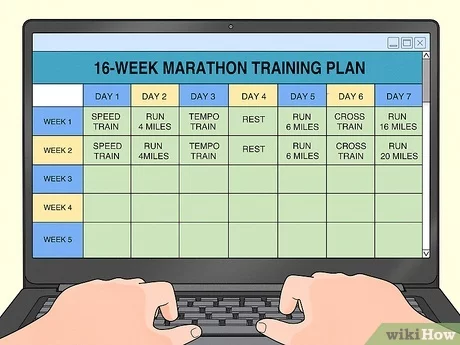
Here’s an example 16-week training plan:
| Week | Monday | Tuesday | Wednesday | Thursday | Friday | Saturday | Sunday |
|---|---|---|---|---|---|---|---|
| 1 | Rest | Easy Run | Long Run | Rest | Hill Repeats | Rest | Rest |
| 2 | Easy Run | Interval Training | Rest | Hill Repeats | Easy Run | Long Run | Rest |
| 3 | Rest | Easy Run | Long Run | Hill Repeats | Rest | Easy Run | Rest |
The Importance of Proper Nutrition and Hydration
A well-balanced diet that includes plenty of complex carbohydrates, lean proteins, and healthy fats is essential for optimal performance. Additionally, staying hydrated by drinking plenty of water throughout the day can help reduce muscle cramps, fatigue, and other common issues associated with long-distance running.
Marathon Training: What to Expect
As you progress through your training plan, you’ll begin to notice significant improvements in your endurance and overall fitness level. Here are some things to expect during your marathon training:
- Increased Endurance: You’ll be able to run longer distances without feeling exhausted
- Improved Efficiency: Your running form will become more efficient, allowing you to conserve energy and reduce fatigue
- Enhanced Mental Toughness: You’ll develop the mental toughness needed to push through challenging moments during your marathon
Marathon Training: Common Mistakes to Avoid
As you prepare for your first (or tenth) marathon, it’s essential to avoid common mistakes that can derail your training. Here are some things to watch out for:
- Insufficient Rest and Recovery: Not allowing your body enough time to recover between hard workouts can lead to injuries and burnout
- Poor Nutrition and Hydration: Failing to fuel your body with a balanced diet and stay hydrated can significantly impact your performance
- Inconsistent Training Schedule: Not sticking to your training plan can lead to plateaus, decreased motivation, and increased risk of injury
Marathon Training: Tips for Success
Here are some additional tips to help you succeed during your marathon training:
- Listen to Your Body: Pay attention to your body’s signals, and take rest days or modify your training plan as needed
- Stay Flexible: Incorporate stretching and foam rolling into your daily routine to improve flexibility and reduce muscle soreness
- Find a Running Buddy: Having a running buddy can provide motivation, accountability, and valuable support throughout your training
Marathon Training: Conclusion
Preparing for a marathon requires dedication, hard work, and patience. By following this comprehensive guide, you’ll be well on your way to achieving your goal and enjoying the journey of a lifetime.
Frequently Asked Questions
Q: What is the best way to start my marathon training?
A: Start by establishing a solid foundation of cardiovascular endurance through regular runs, followed by a gradual increase in mileage and intensity.
Q: How often should I run during my marathon training?
A: Aim for 3-4 times per week, with one or two rest days in between. This will allow your body to recover and adapt to the demands of running long distances.
Q: What are some common mistakes to avoid during my marathon training?
A: Be mindful of insufficient rest and recovery, poor nutrition and hydration, and inconsistent training schedules.
Q: How can I stay motivated during my marathon training?
A: Find a running buddy, track your progress, and reward yourself for reaching milestones.
Q: What should I eat before a long run?
A: Aim to consume a balanced meal that includes complex carbohydrates, lean proteins, and healthy fats 1-3 hours before your run. Avoid heavy meals or foods high in sugar and caffeine.
Q: How can I stay hydrated during my marathon training?
A: Drink at least 8-10 glasses of water per day, and make sure to drink water or a sports drink during long runs to avoid dehydration.
Q: What are some common injuries that runners experience?
A: Common injuries include shin splints, runner’s knee, plantar fasciitis, and stress fractures. Make sure to listen to your body and take rest days as needed to prevent these injuries.
Q: How can I get motivated during my marathon training?
A: Find a running buddy, track your progress, and reward yourself for reaching milestones. Celebrate small victories along the way, such as completing a certain number of miles or beating a personal best time.
By following this comprehensive guide, you’ll be well on your way to achieving your goal and enjoying the journey of a lifetime. Remember to stay focused, motivated, and committed to your training plan, and don’t hesitate to seek support from medical professionals, running coaches, or experienced runners if needed.


