
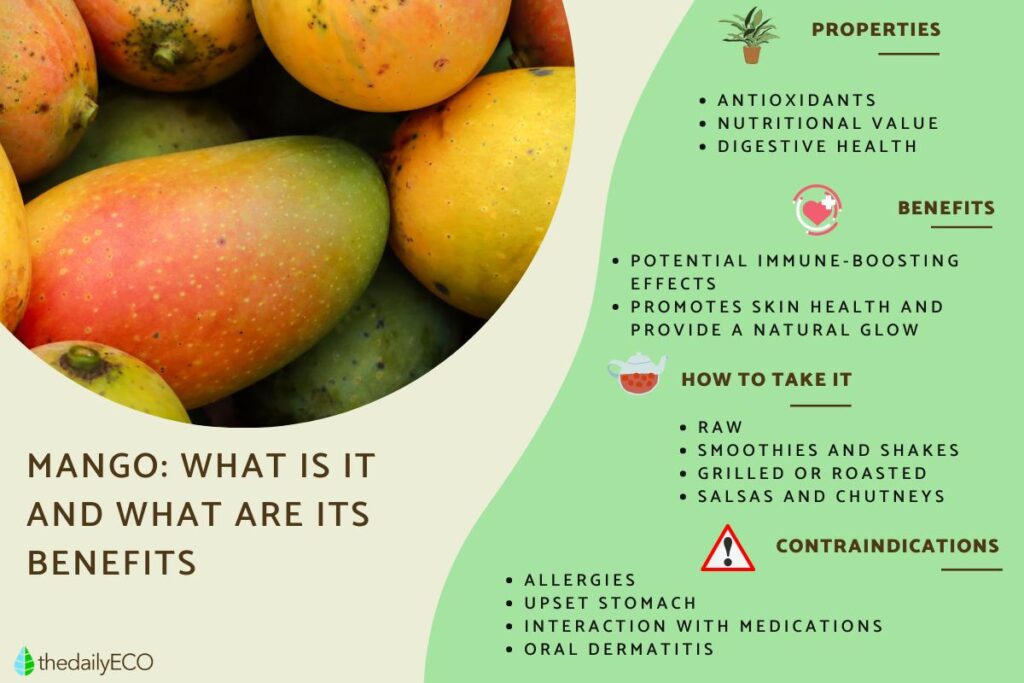
As a highly sought-after fruit in modern cuisine, the mango has become increasingly popular worldwide. With its rich history, versatility, and numerous health benefits, it’s no wonder this exotic delight is captivating the attention of food enthusiasts everywhere.
In this comprehensive article, we’ll delve into the world of mangoes, exploring their origins, nutritional properties, culinary uses, and potential drawbacks.
The Fruit and Plant of Mango
Mangoes are derived from various species within the Mangifera genus. There are several types of mangoes, each with its unique characteristics and flavor profiles. The most common variety is the Indian mango (Mangifera indica), while others include the Southeast Asian mango and the African mango.
These diverse species are cultivated in tropical regions around the world, including India, China, Thailand, Indonesia, and Mexico. With hundreds of varieties, each with its own distinct traits, it’s essential to choose a reputable supplier or grower when purchasing mangoes.
Determining Ripeness: A Matter of Taste and Smell
When selecting a ripe mango, it’s crucial to consider both texture and aroma. The ideal mango should be slightly soft to the touch, yet firm enough to resist gentle pressure. If the mango is overly soft, it may be overripe.
Another reliable indicator of ripeness is the mango’s aroma. A sweet, fruity scent is often a sign that the fruit is ready to eat.
Preparing and Enjoying Mango
Mangoes are incredibly versatile, making them an excellent addition to various dishes and snacks. Here are some popular ways to enjoy this delicious fruit:
- Salads and smoothies: Slice or dice mango and add it to your favorite salads or blend it with yogurt, milk, or ice cream for a refreshing smoothie.
- Desserts: Try using mango in traditional desserts like crème brûlée, tarts, or cakes.
- Savory dishes: Add diced mango to stir-fries, curries, or chutneys for a burst of tropical flavor.
Nutritional Benefits of Mango
In addition to its succulent taste, mangoes are packed with essential nutrients and antioxidants. Here are some key benefits:
- High in vitamins A and C
- Rich in dietary fiber
- Good source of potassium and folate
- Antioxidant properties help protect against oxidative stress
Potential Drawbacks: Allergies and Interactions
While mangoes offer numerous health benefits, they can also pose some risks. Here are a few things to keep in mind:
- Allergies: Mangoes contain allergenic compounds that can cause contact dermatitis or gastrointestinal issues.
- Interactions with medications: Mangoes may interact with certain medications, such as blood thinners and diabetes medications.
The Versatile Wood of the Mango Tree
Mango wood is highly prized for its beauty and durability. It’s often used in furniture-making, musical instruments, and even decorative items like carvings and sculptures.
In addition to its aesthetic appeal, mango wood also possesses unique properties that make it a sought-after material:
- Durability: Mango wood is resistant to decay and rot, making it an excellent choice for outdoor applications.
- Workability: The wood is relatively soft and easy to work with, allowing for intricate carvings and designs.
Culinary Uses of Mango Wood
While mango wood is often used in furniture-making, it also has a place in traditional cooking and culinary practices. Here are some ways to use mango wood:
- Smoking meats: Mango wood adds a sweet, fruity flavor to smoked meats, making it an excellent choice for barbecue enthusiasts.
- Infused oils: Add sliced mango wood to olive oil for a unique and flavorful infused oil.
- Flavored vinegars: Use mango wood to infuse white vinegar with a delicious tropical twist.
Medicinal Properties of Mango
Mangoes have been used in traditional medicine for centuries, thanks to their rich nutritional profile and unique chemical composition. Here are some potential medicinal benefits:
- Antioxidant properties: Mangoes contain antioxidants that help protect against oxidative stress and inflammation.
- Digestive health: The dietary fiber in mangoes can help promote digestive health and prevent constipation.
- Immune system support: Mangoes contain vitamins A and C, which are essential for immune system function.
Potential Drawbacks: Allergies and Interactions
While mangoes offer numerous health benefits, they can also pose some risks. Here are a few things to keep in mind:
- Allergies: Mangoes contain allergenic compounds that can cause contact dermatitis or gastrointestinal issues.
- Interactions with medications: Mangoes may interact with certain medications, such as blood thinners and diabetes medications.
Conclusion
The mango is a fruit that offers something for everyone: delicious taste, nutritional benefits, versatility in cooking, and a range of uses from crafting to decoration. Its rich history, cultural significance, and potential medicinal properties make it an excellent addition to any kitchen or pantry.
By choosing ripe mangoes, exploring different culinary uses, and being mindful of potential drawbacks, you can fully appreciate the delicious and nutritious benefits of this exotic fruit.
Frequently Asked Questions
Here are some answers to common questions about mangoes:
- What are the most popular varieties of mango?
- Indian mango (Mangifera indica)
- Southeast Asian mango
- African mango
- How do I determine if a mango is ripe?
- Touch test: Squeeze the mango gently. A ripe mango will be slightly soft to the touch.
- Smell test: A sweet, fruity aroma indicates that the mango is ready to eat.
- What are some popular ways to use mangoes in cooking?
- Salads and smoothies
- Desserts (e.g., crème brûlée, tarts, cakes)
- Savory dishes (e.g., stir-fries, curries, chutneys)
- Are mangoes safe to eat for people with allergies?
- Yes, but it’s essential to note that some individuals may experience contact dermatitis or gastrointestinal issues.
- Can I use mango wood for crafting and decoration?
- Yes, mango wood is highly prized for its beauty and durability.
With its rich history, nutritional benefits, versatility in cooking, and range of uses from crafting to decoration, the mango is a fruit that deserves attention and appreciation.


