
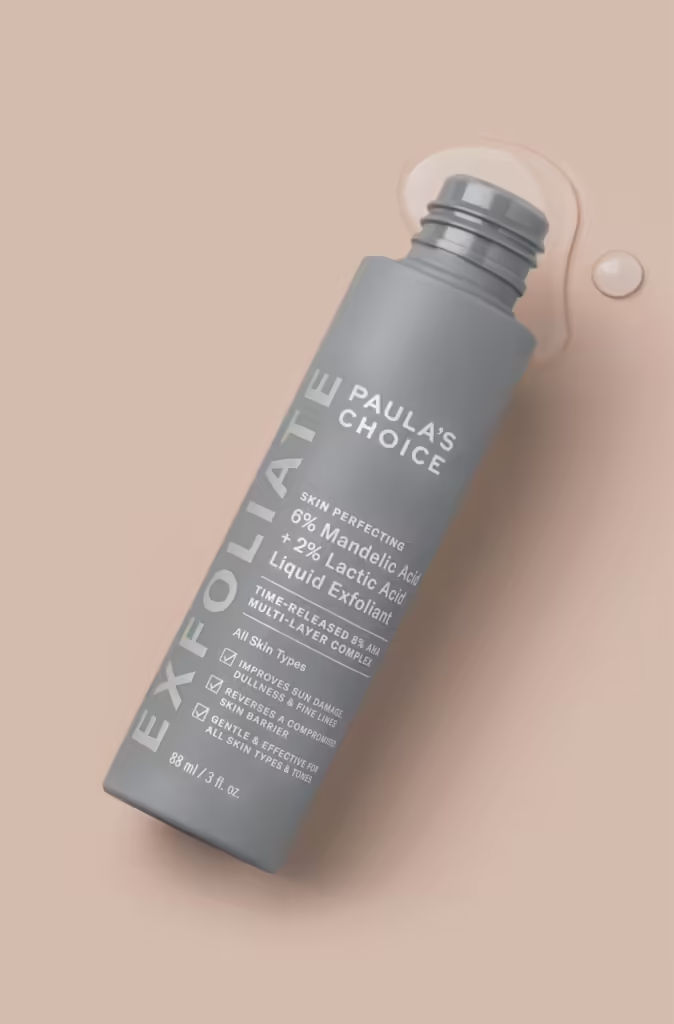
As we navigate the world of skincare, it’s easy to get caught up in the latest trends and products. But what if I told you that there’s a natural ingredient that has been gaining popularity in recent years for its ability to exfoliate, brighten, and nourish the skin? Say hello to mandelic acid, a derivative of bitter almonds that has been used in traditional medicine for centuries.
What is Mandelic Acid?
Mandelic acid is a naturally occurring compound found in the pits of bitter almonds. It’s gained popularity in recent years due to its impressive list of benefits for the skin. Unlike other alpha-hydroxy acids (AHAs), mandelic acid is non-irritating and can be used on sensitive skin. Its gentle exfoliating properties make it an ideal ingredient for anyone looking to improve the appearance of their skin without causing irritation.
Properties of Mandelic Acid
So, what makes mandelic acid so special? Here are just a few of its impressive properties:
- Exfoliates without irritating: Unlike other AHAs, mandelic acid doesn’t cause redness or irritation. This makes it perfect for sensitive skin.
- Antioxidant properties: Mandelic acid has potent antioxidant properties that help protect the skin from environmental stressors and damage caused by free radicals.
- Hydrates and plumps: The hyaluronic acid in mandelic acid helps retain moisture in the skin, leaving it feeling soft and supple.
Benefits of Using Mandelic Acid
So, what can you expect from using mandelic acid? Here are just a few benefits:
- Brightens and evens skin tone: Mandelic acid’s brightening properties help reduce the appearance of dark spots and hyperpigmentation.
- Reduces acne and inflammation: The antibacterial and anti-inflammatory properties of mandelic acid make it an effective treatment for acne-prone skin.
- Fades fine lines and wrinkles: By increasing collagen production and improving skin elasticity, mandelic acid can help reduce the appearance of fine lines and wrinkles.
How to Use Mandelic Acid
Using mandelic acid is easier than you think. Here’s a simple step-by-step guide:
- Cleanse your skin: Wash your face with a gentle cleanser to remove dirt and impurities.
- Apply a treatment product: Apply a product containing mandelic acid to your skin, making sure to avoid the delicate skin around your eyes.
- Leave it on for 15-20 minutes: Allow the product to sit on your skin for 15-20 minutes before rinsing off with lukewarm water.
- Moisturize and follow up: Follow up with a moisturizer and repeat the process as needed.
Precautions and Side Effects
While mandelic acid is generally considered safe, there are some precautions to be aware of:
- Allergic reactions: Some people may experience allergic reactions to mandelic acid. If you notice any redness, itching, or swelling, discontinue use immediately.
- Sensitive skin: Mandelic acid can be more irritating on sensitive skin than other AHAs. Start with a small patch test and gradually increase the frequency of use as your skin becomes more tolerant.
- Contraindications: Do not use mandelic acid if you have active acne, rosacea, or eczema.
Conclusion
Mandelic acid is a powerful ingredient that’s gaining popularity in the skincare world. With its gentle exfoliating properties, antioxidant benefits, and ability to brighten and even skin tone, it’s no wonder why it’s becoming a favorite among skincare enthusiasts. Whether you’re looking to improve your skin’s texture or reduce the appearance of dark spots, mandelic acid is definitely worth considering.
Frequently Asked Questions
Here are some answers to common questions about using mandelic acid:
- Is mandelic acid safe for sensitive skin?
- Yes, mandelic acid is generally considered safe for sensitive skin due to its gentle exfoliating properties.
- Can I use mandelic acid with other skincare products?
- Yes, you can combine mandelic acid with other skincare products to enhance its benefits. However, always patch test new products on a small area of your skin before using them extensively.
- How often should I use mandelic acid?
- Use mandelic acid as needed, ideally once or twice a week for optimal results.
- Can I use mandelic acid on other parts of my body?
- Mandelic acid is primarily used on the face and neck area due to its sensitivity-reducing properties. However, you can use it on other areas like hands or feet if needed.
- Is mandelic acid suitable for people with dark skin tones?
- Yes, mandelic acid can be beneficial for people with dark skin tones as it helps reduce the appearance of hyperpigmentation and dark spots.
Incorporating Mandelic Acid into Your Skincare Routine
To get the most out of mandelic acid, incorporate it into your skincare routine in a few simple ways:
- Use it as a treatment product: Apply a product containing mandelic acid to your skin once or twice a week for optimal results.
- Combine with other products: Mix mandelic acid with your favorite moisturizer or serum to enhance its benefits.
- Exfoliate regularly: Use a gentle exfoliant containing mandelic acid once or twice a week to maintain healthy, glowing skin.
By incorporating mandelic acid into your skincare routine, you can enjoy the numerous benefits of this natural exfoliant and wake up to brighter, more radiant skin.


