
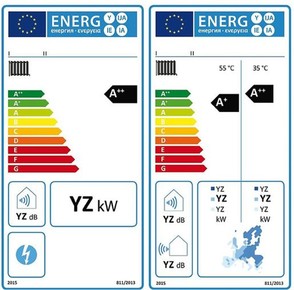
As of 2015, the condensing boiler has become mandatory in Italy. Another new development is the new energy label introduced by MiSe based on the European Ecodesign regulation. As autumn 2015 approached, it was filled with new things to consider when restarting heating systems.
Understanding the Mandatory Condensing Boiler
The mandatory condensing boiler does not mean that if you already have a different type of boiler, you are forced to replace it immediately. If your existing boiler is working fine, there’s no need to change it unless you decide to upgrade to a condensing boiler in the future.
However, traditional boilers will eventually disappear, and finding spare parts for them will become increasingly difficult. This is because manufacturers can no longer produce non-condensing boilers, except for a specific type called “a camera aperta” (open chamber), which can only be installed when it’s not possible to replace an old boiler with a condensing one due to issues related to the shared chimney.
The Benefits of Condensing Boilers
Condensing boilers have several advantages over traditional ones. One key benefit is their higher efficiency, as they can recover most of the heat from exhaust gases (which are wasted in traditional boilers), and transfer it to the hot water in the boiler. This means that less energy is required to warm more water.
While condensing boilers are more expensive than traditional ones, the cost savings are evident when heating is used extensively. The environment also benefits from this change.
The New Energy Label for Boilers
A new energy label has been introduced for boilers, which defines minimum efficiency standards for devices. This was introduced by MiSe based on the European Ecodesign regulation and classifies appliances according to their energy consumption (from A+ to G) for heating environments and from A to G for hot water production.
Key Points to Consider
- The mandatory condensing boiler does not require an immediate replacement of existing boilers unless desired.
- Traditional boilers will eventually disappear, making it harder to find spare parts.
- Only a specific type of non-condensing boiler (a camera aperta) can still be produced and sold, but only for situations where replacing the old boiler with a condensing one is not feasible due to shared chimney issues.
- Condensing boilers are more efficient, recover heat from exhaust gases, and transfer it to hot water.
- The cost of condensing boilers is higher than traditional ones, but cost savings are evident when using them extensively.
Why Is Efficiency Important in Boilers?
Boiler efficiency refers to the percentage of energy that a boiler can convert into useful heat. In other words, if 100% of the input energy is converted into heat, it means that all the energy put into the system is being used efficiently.
Higher-efficiency boilers use less fuel and lower emissions, making them an attractive option for households and businesses alike. Moreover, efficient boilers are not only environmentally friendly but also cost-effective in the long run.
The Energy Label: What Does It Mean?
The new energy label introduced by MiSe classifies appliances according to their energy consumption. The label ranges from A+ (most efficient) to G (least efficient), with A being the highest rating and G being the lowest.
For heating environments, the labels are as follows:
- A+: 75% or higher
- A: 70-74%
- B: 65-69%
- C: 60-64%
- D: 55-59%
- E: 50-54%
- F: 45-49%
- G: below 45%
For hot water production, the labels are as follows:
- A+: 75% or higher
- A: 70-74%
- B: 65-69%
- C: 60-64%
- D: 55-59%
- E: 50-54%
- F: 45-49%
- G: below 45%
The Impact of the New Label on Existing Appliances
The new energy label does not directly impact existing appliances unless they fail or need maintenance. However, it sets a new standard for future appliance production, encouraging manufacturers to prioritize efficiency and sustainability.
Households can still use their existing appliances without worrying about the new label, but when purchasing a new boiler or replacing an old one, they should look for an appliance with a high energy rating.
What’s Next?
The introduction of the mandatory condensing boiler and the new energy label marks an important step towards reducing energy consumption in Italy. As manufacturers shift their focus to producing more efficient appliances, households can expect to see cost savings and environmental benefits over time.
In conclusion, the mandatory condensing boiler and the new energy label are significant changes that will impact how we heat our homes and businesses in Italy. While there may be some challenges associated with upgrading to a condensing boiler, the long-term benefits make it an attractive option for those looking to reduce their energy consumption and environmental footprint.
FAQs
-
Do I need to replace my existing boiler with a condensing one immediately?
No, you do not have to replace your existing boiler with a condensing one unless you decide to upgrade in the future. -
Will traditional boilers still be available for purchase?
Only a specific type of non-condensing boiler (a camera aperta) will still be available, but only under certain circumstances related to shared chimney issues. -
How does the new energy label work for boilers?
The new energy label classifies appliances according to their efficiency, ranging from A+ to G for heating environments and from A to G for hot water production. -
What are the benefits of condensing boilers over traditional ones?
Condensing boilers have higher efficiency due to heat recovery from exhaust gases and transfer it to hot water, resulting in less energy consumption for more hot water. -
Is the cost of condensing boilers more expensive than traditional ones?
Yes, condensing boilers are generally more costly than traditional ones; however, the savings appear when using them extensively. -
How does the new label affect existing boilers?
The new label defines minimum efficiency standards for devices but does not directly impact existing appliances unless they fail or need maintenance. -
Can I still find spare parts for my old boiler if it’s a condensing one?
Spare parts for condensing boilers might be harder to find than traditional ones, especially as manufacturers shift focus to producing condensing boilers only. -
What are the long-term implications of this new regulation?
The mandatory use of condensing boilers could lead to a phased-out of traditional boilers and encourage greater adoption of more energy-efficient technologies in heating systems.


