
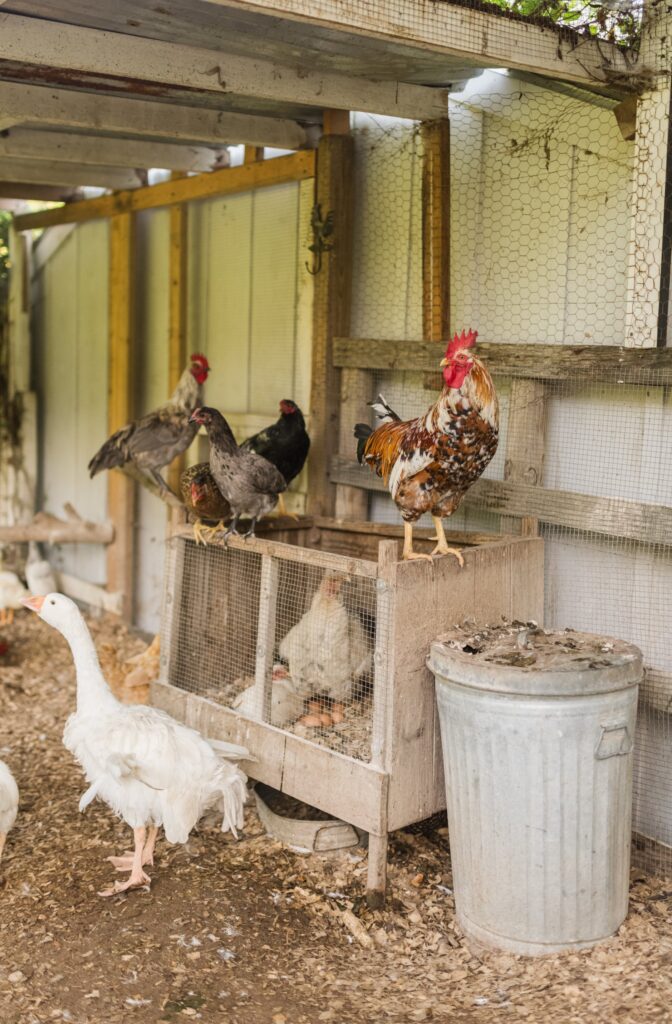
Are you considering producing your own chicken eggs and meat for yourself and your loved ones? Congratulations on taking the first step towards a healthier and more sustainable lifestyle. Managing a chicken coop can be a rewarding experience, but it requires careful planning, attention to detail, and a commitment to providing the best possible care for your feathered friends.
Characteristics of a Successful Chicken Coop
Before building or purchasing a chicken coop, it’s essential to consider its design and layout. A well-designed coop should provide a safe and healthy environment for your chickens, while also meeting their physical needs. Here are some key characteristics to look for:
- Adequate space: A minimum of 1/3 square meter per chicken in an enclosed area and half a square meter per chicken outdoors.
- Proper ventilation: Good airflow is crucial for maintaining a comfortable temperature and reducing the risk of disease.
- Insulation: A well-insulated coop will help regulate the temperature and prevent drafts.
- Easy cleaning: A clean and easy-to-clean coop is essential for maintaining the health and hygiene of your chickens.
- Predator protection: A secure coop will protect your chickens from predators such as foxes, coyotes, and hawks.
Benefits of Managing Your Own Chicken Coop
Managing a chicken coop offers numerous benefits, including:
- Fresh and healthy eggs: By producing your own eggs, you can ensure they are fresh, nutritious, and free from additives.
- Cost savings: Raising chickens can be a cost-effective way to obtain meat and eggs for your family.
- Environmental benefits: Chicken manure can be used as fertilizer, reducing the need for synthetic fertilizers and promoting sustainable agriculture.
- Stress reduction: Caring for chickens can be therapeutic and help reduce stress levels.
Ecological Benefits of Managing Your Own Chicken Coop
In addition to providing fresh eggs and meat, chicken coops play a vital role in maintaining ecological balance. Here are some ways your chicken coop can contribute to environmental sustainability:
- Waste management: Chicken manure can be used as fertilizer, reducing the need for synthetic fertilizers and promoting sustainable agriculture.
- Pest control: Chickens can help control pest populations by feeding on insects and other small animals.
- Carbon sequestration: Chicken coops can help sequester carbon in the soil, reducing greenhouse gas emissions.
Psychological Benefits of Managing Your Own Chicken Coop
Raising chickens can have a profound impact on mental health and well-being. Here are some ways managing your own chicken coop can benefit your mental health:
- Stress reduction: Caring for chickens can be therapeutic and help reduce stress levels.
- Sense of accomplishment: Raising chickens can give you a sense of pride and accomplishment, boosting self-esteem and confidence.
- Social connections: Joining local chicken-keeping groups or participating in online forums can provide opportunities for socialization and community building.
Tips for Managing Your Chicken Coop
Here are some additional tips to help you manage your chicken coop effectively:
- Monitor temperature and humidity levels: Make sure the coop is at a comfortable temperature and humidity level for your chickens.
- Provide adequate lighting: Ensure that your chickens have access to natural light or artificial lighting if necessary.
- Ensure proper nutrition: Provide your chickens with a balanced diet that includes fresh fruits, vegetables, and grains.
- Keep the coop clean: Regularly clean out the coop to prevent disease and maintain hygiene.
Common Challenges and Solutions
Here are some common challenges you may encounter when managing your chicken coop, along with solutions:
- Predator attacks: Use strong wire mesh or hardware cloth to secure the coop and protect your chickens from predators.
- Disease outbreaks: Keep a close eye on your chickens’ health and take prompt action if you notice any signs of illness.
- Parasite infestations: Regularly check for parasites such as mites, lice, and fleas, and take prompt action to treat any infestations.
Conclusion
Managing your own chicken coop is a rewarding experience that offers numerous benefits for your health, environment, and mental well-being. By following these guidelines and providing the best possible care for your chickens, you can enjoy fresh eggs, meat, and fertilizer while also promoting sustainable agriculture and reducing waste. Whether you’re a seasoned farmer or a backyard enthusiast, managing a chicken coop is a great way to connect with nature and improve your overall quality of life.
Frequently Asked Questions
- Q: How often should I feed my chickens?
A: The frequency of feeding depends on the size of your flock, the climate, and the time of year. Generally, chickens need access to food and water at all times. - Q: What is the ideal temperature for a chicken coop?
A: The ideal temperature for a chicken coop is between 40°F and 60°F (4°C and 15°C), depending on the climate and time of year. - Q: How often should I clean my chicken coop?
A: It’s essential to clean your chicken coop regularly to maintain hygiene and prevent disease. Aim to clean out at least half of the coop every week. - Q: Can I raise chickens in urban areas?
A: Yes, you can raise chickens in urban areas, but it’s crucial to check local regulations and ensure compliance with noise and odor ordinances. - Q: How long does it take for chickens to mature?
A: Chickens typically take around 5-7 months to reach full maturity, depending on breed and living conditions.


