
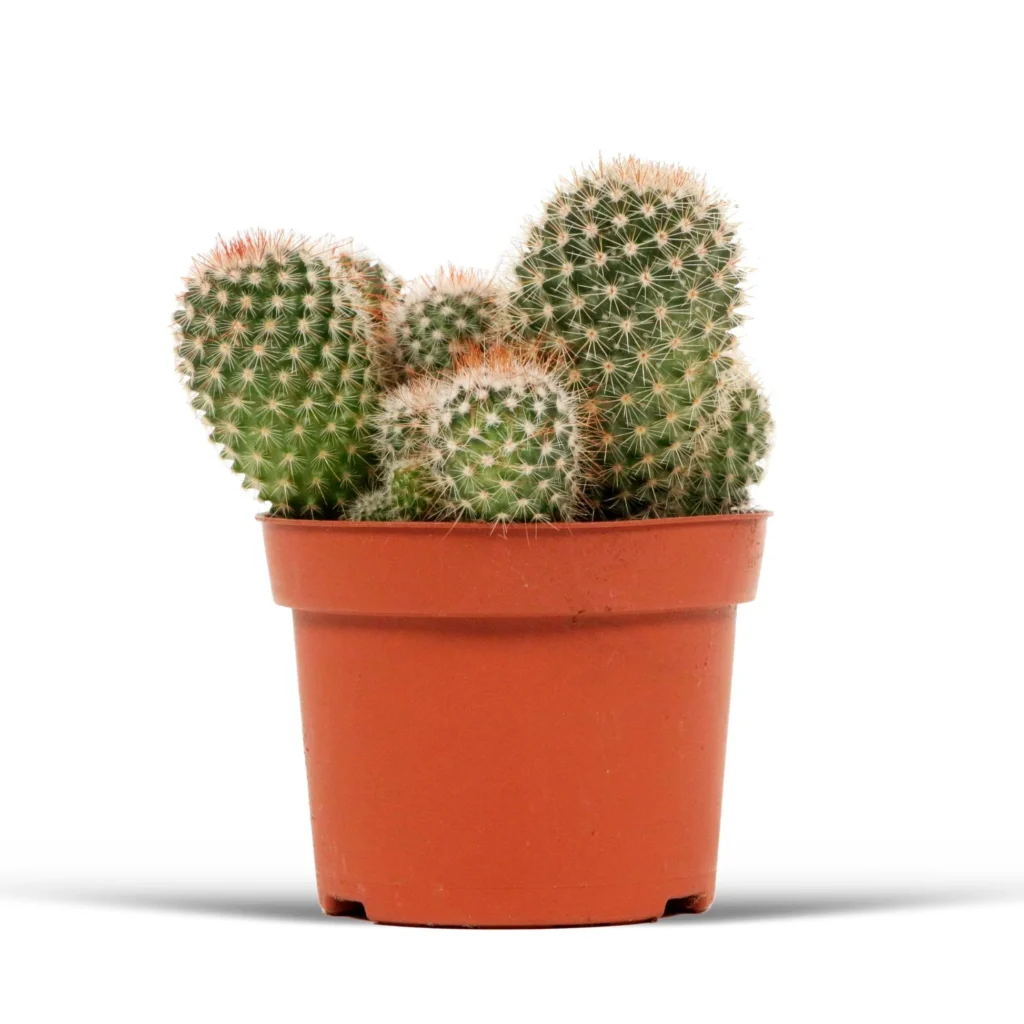
As a seasoned gardener, you may have come across the name “Mammillaria” but are unsure what it means. This article aims to introduce you to this fascinating plant species, its various forms, and provide guidance on how to cultivate and care for them.
What is Mammillaria?
Mammillaria is a type of succulent plant that comes in many shapes and sizes. It’s often associated with beautiful flowers, elegance, and the presence of thorns or no thorns at all. Despite its unfamiliar name, this plant has been used by indigenous Americans for centuries to treat hearing impairments and ear infections.
The name “Mammillaria” is derived from the Latin word “mamma,” meaning breast, which refers to the plant’s nipple-like shape. This unique characteristic allows the plant to store water in its central stem, making it a vital adaptation for survival in arid environments.
Meet Some Popular Varieties of Mammillaria
One of the most notable varieties is Mammillaria Longiflora. This plant appears to be contradictory in its name, as it’s surprisingly rounded despite what the name might suggest. It’s also rich in thorns, making it best not to touch it roughly, lest you incur its wrath.
The spikes on this plant are particularly noteworthy, with an uncanny resemblance to those found in a claw hammer. The flowers themselves are not white, but rather a beautiful shade of pink, and can grow quite large. This variety is known for its ability to bloom repeatedly throughout the year, making it a popular choice among succulent enthusiasts.
Another notable species is Mammillaria spinosissima, which boasts an impressive spine at its center, accompanied by numerous smaller spines arranged in a nearly choreographed pattern. The flowers surrounding this central spine are also of note, as they’re a vibrant rose color and long-lasting.
Classification and Lighting Needs
As a member of the succulent family (Crassulaceae), Mammillaria requires plenty of sunlight to thrive. It’s essential to provide it with an environment that suits its needs, even if some varieties can tolerate less light due to their lack of spines or waxy coating.
While Mammillaria can be quite hardy in freezing temperatures, it’s best to keep its ideal temperature range between 6°C and 20°C (43°F-68°F) to avoid damaging its stems and flowers. Some species may require more warmth during the winter months, so be sure to research specific requirements for your variety.
Cultivation and Care
To successfully cultivate Mammillaria, you’ll need a well-draining soil mix that includes sanded or pebbled materials. Adding compost or perlite can enhance the mix’s quality. Rinse your plant regularly during summer months, but be cautious not to overwater it – especially if you have spiny varieties.
During winter, reduce watering significantly, as Mammillaria is relatively drought-tolerant. Additionally, fertilize your plant once annually using a balanced fertilizer with small amounts of iron, magnesium, and zinc. This will help promote healthy growth and blooming.
Propagation
One of the easiest ways to propagate Mammillaria is through seed. Simply sow the seeds on the surface of the soil and keep it moist until germination occurs. You can also propagate through leaf or stem cuttings, but this method requires more expertise.
Another technique is to divide mature plants, which can be done during the spring when new growth begins. Be sure to handle the roots carefully and water them thoroughly after the division process.
Pest and Disease Control
As with any succulent, Mammillaria is susceptible to pests such as mealybugs, spider mites, and scale. Regularly inspect your plant for signs of infestation and treat promptly if necessary.
Diseases such as root rot and leaf spot can also affect Mammillaria. To prevent these issues, ensure good air circulation around the plant and water it carefully to avoid overwatering.
Pricing and Availability
Mammillaria seeds are readily available online or at local nurseries for various prices, depending on the variety. On Amazon, you can buy 15 Mammillaria perbella seeds for just €5. This particular species is one of the rarest and most attractive varieties of this succulent.
Some popular retailers that sell Mammillaria include:
- eBay: Offers a wide range of Mammillaria species at various price points.
- Etsy: Features unique, hand-picked Mammillaria specimens from sellers around the world.
- Local nurseries: May carry a variety of Mammillaria species, depending on your location.
Conclusion
This guide has introduced you to the wonderful world of Mammillaria, a fascinating plant with many unique forms and characteristics. By understanding its needs, care requirements, and pricing, you can decide if it’s right for your home or garden.
Whether you’re a seasoned gardener or just starting out, Mammillaria is an excellent choice for anyone looking to add some elegance and beauty to their space. With proper care and attention, these plants can thrive for years to come, providing a stunning display of color and texture.
Care Tips for Specific Mammillaria Varieties
- Mammillaria Longiflora: Provide bright, indirect light and maintain a temperature range of 15°C-20°C (59°F-68°F).
- Mammillaria spinosissima: Place in full sun to partial shade and keep the soil moist but not waterlogged.
- Mammillaria perbella: Prefers bright, indirect light and should be kept at a temperature range of 10°C-18°C (50°F-64°F).
Common Problems with Mammillaria
- Overwatering: Can cause roots to rot and lead to plant death.
- Underwatering: May result in weak, spindly growth and reduced blooming.
- Pests: Regularly inspect your plant for signs of infestation and treat promptly if necessary.
By following these care tips and being aware of common problems, you can enjoy the beauty and benefits of Mammillaria for years to come.


