
The Capra Maltese: Characteristics, Diet, and Price
If you’re looking for a unique and interesting breed of goat, the Capra Maltese is definitely worth considering. Hailing from the Mediterranean region, this beautiful animal has been prized for its distinctive characteristics and versatility as a dairy producer. In this article, we’ll delve into the world of the Capra Maltese, exploring its history, physical traits, dietary needs, health issues, and pricing.
Characteristics of the Capra Maltese
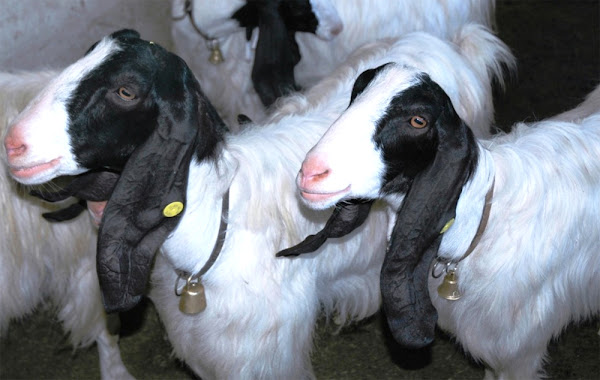
The Capra Maltese is a medium-sized goat with a sturdy build and impressive weight for its size. Males typically reach an height of 80 cm at the shoulder and weigh around 70 kg, while females stand slightly shorter at about 70 cm and weigh approximately 46 kg. Newborn kids are born weighing around 3.5 kg. This breed is known for its small head but robust build, making it well-suited to rugged terrain.
One of the most striking features of the Capra Maltese is its distinctive coat patterns, which can vary between white with patches of brown or red. The animal’s ears are long and pendulous, while its eyes are expressive and alert. Its tail is bushy, adding to its endearing appearance.
Dietary Needs of the Capra Maltese
When it comes to nutrition, the Capra Maltese requires a diet rich in fiber from forages such as grasses and legumes. However, due to their specific dietary requirements, it’s recommended to limit or avoid feeding plants containing high levels of phosphorus. A balanced diet that includes fresh hay, silage, and supplements can help ensure optimal health.
It’s worth noting that the Capra Maltese is more suitable for grazing than intensive farming methods. The breed’s adaptability to its environment makes it well-suited to areas with limited space or resources.
Breeding and Reproduction
In terms of breeding, the Capra Maltese can produce up to 6 liters of milk per day if raised on pasture. Its milk has a high protein content (4.3%) and is rich in fat (5.1%). This makes it an excellent choice for small-scale dairy farming or homesteading.
The animal’s reproductive cycle typically lasts around 10-12 months, with females going into heat every 17 days during this period. With proper care and management, the Capra Maltese can produce multiple litters per year.
Health Issues
While the Capra Maltese is generally a hardy breed, it’s not immune to certain health issues. Some of the most common problems include:
- Brucellosis: A bacterial infection that affects the reproductive system and can be transmitted to humans through direct contact or consumption of infected milk.
- Cenurosi: A neurological disorder characterized by convulsions, vertigo, and inflammation in the brain, often caused by consuming contaminated feed.
- Rogna: A skin condition characterized by scaling, crusting, and inflammation on the face, head, and body, potentially leading to secondary infections.
- Psorostica: An inflammatory condition causing pruritus (itching) and discharge from the external ear canal.
Pricing
The cost of a Capra Maltese can vary significantly depending on factors such as age, genetics, and quality. On average, you can expect to pay between €250-€300 for an adult animal.
In conclusion, the Capra Maltese is a versatile and endearing breed that offers many benefits for small-scale farmers or homesteaders. With its unique characteristics, dietary needs, and health considerations, it’s essential to carefully evaluate whether this breed is right for you.
FAQs
- What is the average lifespan of a Capra Maltese?
- The Capra Maltese can live up to 10 years with proper care and management.
- How often does a Capra Maltese go into heat?
- Females typically go into heat every 17 days during their reproductive cycle.
- Can Capra Malteses be used for meat production?
- While they can be raised for meat, the breed is primarily valued for its dairy potential.
- What are some common health issues affecting Capra Maltese?
- Brucellosis, Cenurosi, Rogna, and Psorostica are some of the most prevalent health concerns in this breed.
- Can I raise a Capra Maltese on pasture?
- Yes, due to their adaptability to its environment, they’re well-suited for grazing and can thrive in areas with limited space or resources.
In addition to the above information, it’s essential to consider other factors when deciding whether to bring a Capra Maltese into your life. These include:
- Housing: Ensure that you have suitable housing for your goat, taking into account its size, age, and breed requirements.
- Fencing: The fencing around your property should be sturdy enough to contain the animal, with adequate height and material to prevent escape or injury.
- Veterinary care: Regular veterinary check-ups are crucial to ensure the health and well-being of your Capra Maltese.
- Handling: Proper handling techniques are essential to avoid stress and injury to both you and your goat.
By carefully considering these factors, you can create a happy and healthy environment for your Capra Maltese.


