
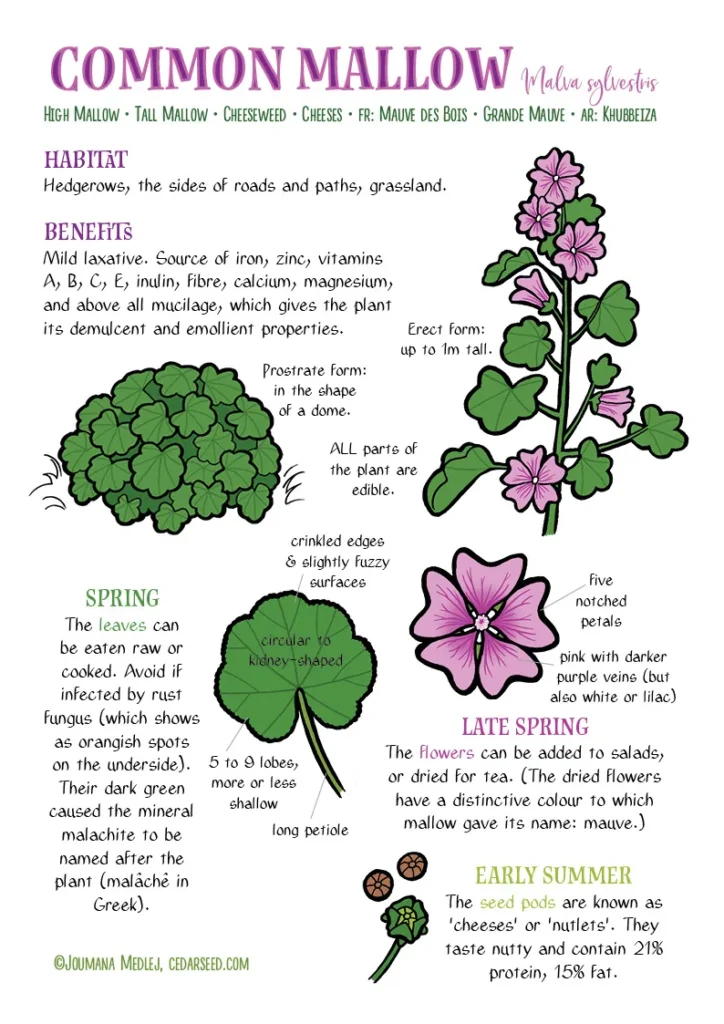
Malva is a perennial herbaceous plant belonging to the Malvaceae family. It grows up to over a meter in height, with green palmate leaves and a long, seghettated stem. The flowers have five petals, with a central cuneus in the upper margin, and are a delicate shade of rose-purple. Malva is commonly found growing wild in fields and along the edges of rough stone roads.
History and Traditional Uses of Malva
Malva has been used for centuries in traditional medicine, particularly in Europe. The plant was highly valued for its medicinal properties, which included treating digestive issues, skin conditions, and respiratory problems. In ancient Greece, malva was used to treat a range of ailments, including fever, epilepsy, and skin infections.
In medieval times, malva was also used as a treatment for various diseases, such as the plague and smallpox. The plant’s leaves were boiled in water to create a tea that was believed to have anti-inflammatory properties, while its flowers were used to treat respiratory issues like bronchitis and asthma.
Properties and Benefits of Malva
Malva is rich in several active principles, including:
- Acid chlorogenic
- Acid caffeic
- Carotene
- Glucose
- Pectin
- Potassium
- Resin
- Vitamins A, B, C, and E
These properties confer malva numerous health benefits, such as:
- Anti-inflammatory properties: Malva’s anti-inflammatory properties make it an effective treatment for various conditions, including arthritis, gout, and other inflammatory diseases.
- Antibacterial properties: The plant’s antibacterial properties can help treat infections caused by bacteria, such as urinary tract infections and pneumonia.
- Calming properties: Malva’s calming properties can help reduce stress and anxiety, promoting a good night’s sleep.
- Diuretic properties: The plant’s diuretic properties make it an effective treatment for various urinary issues, including kidney stones and urinary tract infections.
- Emollient properties: Malva’s emollient properties can help soothe dry skin and promote healthy skin cell growth.
- Laxative properties: The plant’s laxative properties can help treat constipation and other digestive issues.
- Refreshing properties: Malva’s refreshing properties can help reduce fatigue and promote mental clarity.
- Sedative properties: The plant’s sedative properties can help induce relaxation and improve sleep quality.
Malva in Cooking
Malva is widely used in cooking, particularly for its leaves, which can be consumed like spinach and added to soups and stews. A delicious recipe featuring malva is the “Spaghetti alla Malva,” where cooked spinach and malva are mixed with a flavorful sauce made from carrots, potatoes, onions, and nuts.
To make this dish:
- Combine the leaves of spinach, malva, and broth in a pot.
- Add diced carrots, potatoes, and onions to the pot.
- Bring the mixture to a boil and let it simmer for 30 minutes over low heat.
- Pass the mixture through a sieve and add salt, nutmeg, and butter.
- Stir well and serve with toasted bread.
By incorporating malva into your diet, you can unlock its numerous health benefits and enjoy its delicious flavor in various recipes. So why not give it a try?
Malva for Skin Care
Malva is also widely used in skin care due to its emollient properties. The plant’s leaves are rich in antioxidants, which help protect the skin from damage caused by free radicals. Malva can be used as a face mask or added to creams and lotions to promote healthy skin cell growth.
To make a malva face mask:
- Combine the leaves of spinach, malva, and honey in a bowl.
- Mash the mixture together until it forms a smooth paste.
- Apply the mask to your face and leave it on for 15-20 minutes.
- Rinse with warm water and pat dry.
Malva for Hair Care
Malva can also be used in hair care due to its refreshing properties. The plant’s leaves are rich in vitamins A, B, C, and E, which help promote healthy hair growth.
To make a malva hair mask:
- Combine the leaves of spinach, malva, and coconut oil in a bowl.
- Mash the mixture together until it forms a smooth paste.
- Apply the mask to your hair and leave it on for 30-40 minutes.
- Rinse with warm water and shampoo as usual.
Precautions and Side Effects
While malva is generally considered safe to use, there are some precautions and side effects to be aware of:
- Allergic reactions: Some people may experience allergic reactions when consuming or applying malva topically.
- Interactions with medications: Malva may interact with certain medications, such as blood thinners and diabetes medications.
- Pregnancy and breastfeeding: Women who are pregnant or breastfeeding should consult their healthcare provider before using malva.
Conclusion
Malva is a versatile plant that has been used for centuries in traditional medicine. Its anti-inflammatory, antibacterial, calming, diuretic, emollient, laxative, refreshing, sedative, and vitamin-rich properties make it an effective treatment for various health issues. By incorporating malva into your diet and using it in cooking, skin care, and hair care, you can unlock its numerous health benefits and enjoy a healthier, happier life.
FAQs
- What are the best times to harvest Malva?
- How do I prepare Malva for cooking?
- Can I consume Malva raw?
- Are there any potential side effects of using Malva?
- Can I use Malva as a substitute for other herbs?
- Is it safe to consume large quantities of Malva?
- How do I store Malva for future use?
- Can I grow my own Malva plants?


