
The Faded Beauty of the Egyptian Goose: A Comprehensive Guide
1. Introduction to the Egyptian Goose
If you’ve ever heard of the Egyptian Goose, chances are it’s because someone mentioned “gallina faraona” or the more commonly known term, Numida meleagris. This bird is a member of the galliform family and has been domesticated for centuries. In this article, we’ll delve into the world of the Egyptian Goose, exploring its history, characteristics, habits, and how to care for it.
2. The History of the Egyptian Goose
The Egyptian Goose was first introduced to Europe in the 18th century by the Swedish botanist and zoologist Carl Linnaeus. Since then, it has become a popular domesticated bird, raised for its meat and prized for its unique appearance.
The Egyptian Goose’s introduction to Europe marked the beginning of a long history of human interaction with this fascinating species. Initially, they were kept as ornamental birds in gardens and parks, but over time, their popularity grew, leading to widespread breeding and keeping as pets.
Today, the Egyptian Goose is found on every continent except Antarctica, and its adaptability has led to its introduction into various regions. While some argue that this has contributed to the species’ decline in the wild, others see it as an opportunity for conservation efforts.
3. Physical Characteristics
The Egyptian Goose is a medium to large-sized bird, measuring around 60 cm (24 in) in length, with a distinctive black or dark grey plumage, white markings, and a reddish-brown head. The male has a more vibrant coloration than the female, with a golden sheen on its feathers.
The Egyptian Goose’s unique appearance is one of its most striking features. Its sleek, glossy plumage is an attractive sight to behold, while its long neck and legs add to its dignified presence. In addition to its physical characteristics, the Egyptian Goose is also known for its distinctive calls, which can be heard in a range of tones, from soft cooing to loud, raspy honking.
4. Sexing the Egyptian Goose
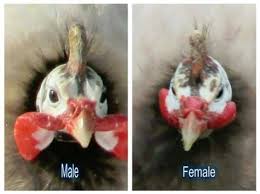
Sexing an Egyptian Goose can be challenging, as the difference between males and females is subtle. However, if you look closely, you’ll notice that the male’s head is slightly larger and has a more prominent casque (a bony structure on top of the head). The female, on the other hand, has a smaller head and less vibrant plumage.
Sexing Egyptian Geese requires patience and attention to detail. Experienced breeders often rely on experience and observation rather than strict rules, as the differences between males and females can be nuanced.
5. Behavior and Social Structure
Egyptian Geese are social birds that live in small groups, often forming pairs or small herds. They are known to be monogamous, with males defending their territory and females laying eggs in shallow nests on the ground.
In addition to their social behavior, Egyptian Geese are also skilled foragers and can be seen roaming around fields, meadows, and wetlands in search of food. Their omnivorous diet includes a wide range of plants, insects, and small animals, making them an essential component of their ecosystems.
6. Breeding and Reproduction
Females lay between 5-8 eggs per clutch, which incubate for 25 days. Males play a significant role in protecting the nest and chicks from predators. In captivity, breeders often encourage monogamy by grouping males with females in small flocks.
Breeding Egyptian Geese requires careful planning and attention to detail. Breeders must ensure that their birds are healthy and well-suited for breeding before introducing them to each other.
7. Habitat and Distribution
Originally native to Africa, the Egyptian Goose has been introduced to Europe, Asia, and the Americas. It can be found in a variety of habitats, including forests, grasslands, and deserts, as long as there is water available.
Today, the Egyptian Goose is widely distributed across the globe, with an estimated population of over 10 million individuals. Their adaptability has allowed them to thrive in diverse environments, from urban parks to rural landscapes.
8. Alimentation and Diet
Egyptian Geese are omnivores, eating a mix of grains, insects, and small animals. In captivity, they require a balanced diet that includes commercial pellets, fruits, and vegetables.
In the wild, Egyptian Geese forage for food using their powerful beaks and feet to dig up roots and seeds from the ground. They also feed on aquatic plants, insects, and small animals, making them an essential component of their ecosystems.
9. Care and Management
To keep an Egyptian Goose as a pet or for meat production, you’ll need to provide a spacious enclosure with adequate ventilation and shelter from the elements. The bird requires regular exercise, social interaction, and a varied diet to stay healthy.
In captivity, Egyptian Geese require specialized care, including regular veterinary check-ups, vaccinations, and parasite control measures. They also benefit from enrichment activities, such as foraging toys and scratching posts, to keep them stimulated and active.
10. Conclusion
The Egyptian Goose is a fascinating and unique bird species that has captivated humans for centuries. By understanding its history, behavior, and care requirements, you can appreciate this remarkable bird even more.
In addition to their unique characteristics and habits, the Egyptian Goose plays an important role in maintaining ecological balance and supporting biodiversity. As we continue to explore the natural world, it’s essential that we recognize the importance of conservation efforts and protect these incredible creatures for future generations.
Frequently Asked Questions (FAQs)
- Q: What’s the difference between an Egyptian Goose and a regular goose?
A: The Egyptian Goose is a distinct species with unique physical characteristics, such as its black plumage and reddish-brown head. - Q: Can I keep an Egyptian Goose in a small enclosure?
A: No, Egyptian Geese require spacious enclosures to accommodate their natural behavior and exercise needs. - Q: How do I care for my Egyptian Goose’s eggs?
A: Eggs should be kept at a consistent temperature (around 37°C/98°F) and humidity level to ensure proper incubation. - Q: Can I feed my Egyptian Goose table scraps?
A: No, Egyptian Geese require a balanced diet that includes commercial pellets, fruits, and vegetables to stay healthy. - Q: How often do Egyptian Geese need exercise?
A: Regular exercise is essential for maintaining the physical health and mental well-being of Egyptian Geese. - Q: Can I breed Egyptian Geese in captivity?
A: Yes, with proper care and management, you can successfully breed Egyptian Geese in captivity. - Q: How long do Egyptian Geese live?
A: In the wild, Egyptian Geese typically live for 10-15 years, while in captivity, they can live up to 20 years. - Q: Can I use an Egyptian Goose as a meat bird?
A: Yes, Egyptian Geese are raised for their meat and can be harvested at around 18 weeks of age.
Additional Resources
- National Geographic: Egyptian Goose
- BirdLife International: Numida meleagris
- Poultry.org: Egyptian Goose Care
By understanding the fascinating world of the Egyptian Goose, we can appreciate these incredible birds even more. Whether you’re a seasoned breeder or just starting to learn about this species, there’s always something new to discover about the Egyptian Goose.
Whether it’s their unique appearance, social behavior, or adaptability, the Egyptian Goose is an extraordinary bird that deserves our appreciation and respect. By learning more about these incredible creatures, we can work towards protecting them for future generations.
So, join us on this journey into the world of the Egyptian Goose, and discover the fascinating story behind one of the most remarkable bird species on the planet.


