
As the summer months approach, many of us are excited to embark on our annual vacations. However, before we pack our bags, it’s essential to understand one crucial aspect of traveling to malaria-endemic regions – the risks associated with this mosquito-borne disease.
In this comprehensive guide, we’ll delve into the world of malaria, exploring its causes, transmission methods, symptoms, and treatment options. Our goal is to empower you with knowledge, ensuring a safe and enjoyable travel experience.
What is Malaria?
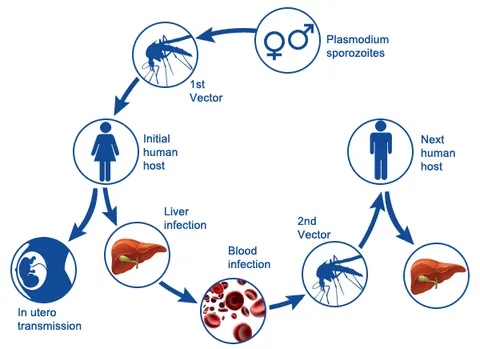
Malaria is an infectious disease caused by the Plasmodium parasite, transmitted through the bite of an infected Anopheles mosquito. This parasite attacks red blood cells, leading to symptoms like fever, headache, muscle tension, and diarrhea.
History of Malaria
The earliest recorded cases of malaria date back to ancient civilizations in Egypt, Greece, and Rome. The disease was first described by the Greek physician Hippocrates in the 5th century BC. Throughout history, various forms of malaria have plagued human populations, with significant outbreaks occurring during World War I and II.
Global Impact of Malaria
Malaria remains a major public health concern globally, particularly in tropical and subtropical regions. According to the World Health Organization (WHO), there were an estimated 228 million cases of malaria reported in 2019, resulting in over 405,000 deaths worldwide. The disease disproportionately affects vulnerable populations, including children under five years old.
How Does Malaria Spread?
The primary method of transmission is through the bite of an infected female Anopheles mosquito. These mosquitoes feed on human blood, ingesting the parasites that can cause malaria. The risk of infection increases in areas with high mosquito densities, particularly during nighttime hours when these insects are most active.
Vector Biology of Malaria
Anopheles mosquitoes, specifically those belonging to the species Anopheles gambiae and Anopheles arabiensis, are responsible for transmitting malaria worldwide. These mosquitoes have evolved unique adaptations that enable them to evade host immune responses and efficiently transmit the parasite. Understanding the biology of these vectors is essential for developing effective control measures.
Transmission Dynamics
Malaria transmission dynamics involve complex interactions between humans, mosquitoes, and parasites. The disease exhibits various transmission patterns, including:
- High transmission rates: In areas with high mosquito densities, the risk of infection increases significantly.
- Low transmission rates: In regions with low mosquito populations or effective control measures, the incidence of malaria decreases.
Symptoms of Malaria
Malaria symptoms typically develop within two weeks after the mosquito bite. These include:
- Fever
- Headache
- Muscle tension
- Diarrhea
- Nausea and vomiting
In severe cases, malaria can lead to organ failure and even death.
Diagnostic Tools for Malaria
Accurate diagnosis of malaria is crucial for effective treatment. Various diagnostic tools are available, including:
- Microscopy: Direct visualization of parasites in blood samples using microscopy.
- Rapid Diagnostic Tests (RDTs): Non-invasive tests that detect the presence of malaria parasites or antigens in blood samples.
- Molecular Diagnostics: PCR-based tests that amplify and detect specific genetic markers associated with Plasmodium species.
Treatment Options for Malaria
Fortunately, effective treatments are available for malaria. Artemisinina-based combination therapies are widely used, along with insecticide-treated zanzariere (bed nets) and repellents to prevent bites. In some cases, medical professionals may recommend chemoprophylaxis before travel to high-risk areas.
Artemisinin-Based Combination Therapies (ACTs)
ACTs have revolutionized malaria treatment by offering improved efficacy and safety profiles compared to older drugs. These combination therapies typically include an artemisinin derivative (e.g., artesunate or dihydroartemisinin) paired with other antimalarial agents, such as sulfadoxine-pyrimethamine or mefloquine.
Resistance Patterns
The emergence of antimalarial resistance is a growing concern worldwide. Resistance patterns vary among Plasmodium species and regions, highlighting the need for ongoing monitoring and adaptation of treatment strategies.
Risks of Traveling to Malaria-Endemic Regions
Traveling to areas with high malaria transmission risks requires special precautions. Infected individuals may unknowingly spread the disease through bites, emphasizing the importance of proper diagnosis and treatment.
Prevention Measures
Effective prevention measures can significantly reduce the risk of malaria transmission:
- Insecticide-treated bed nets: Providing a safe sleeping environment is crucial.
- Repellents: Applying repellents to exposed skin and clothing can help deter mosquitoes.
- Wearing protective clothing: Long-sleeved shirts, long pants, and socks can reduce the risk of bites.
- Avoiding peak mosquito hours: Staying indoors during nighttime hours when mosquitoes are most active.
Chemoprophylaxis
Pre-exposure prophylaxis (chemoprophylaxis) may be recommended for individuals traveling to high-risk areas. These medications help prevent malaria infection by targeting the parasite’s life cycle.
Symptoms of Malaria in Pregnant Women
Pregnant women are at higher risk of developing severe malaria, which can lead to maternal and fetal mortality. Recognizing symptoms is critical:
- Vaginal bleeding: A sign of potential complications.
- Headache: Suggests a possible malaria infection.
- Abdominal pain: Indicated by severe vomiting or diarrhea.
Conclusion
Malaria remains a significant global health challenge, requiring continued efforts to prevent, diagnose, and treat the disease. By understanding its causes, transmission methods, symptoms, and treatment options, you can enjoy a safe and enjoyable travel experience in malaria-endemic regions.
Stay informed and take necessary precautions when traveling to areas with high malaria transmission risks.


