
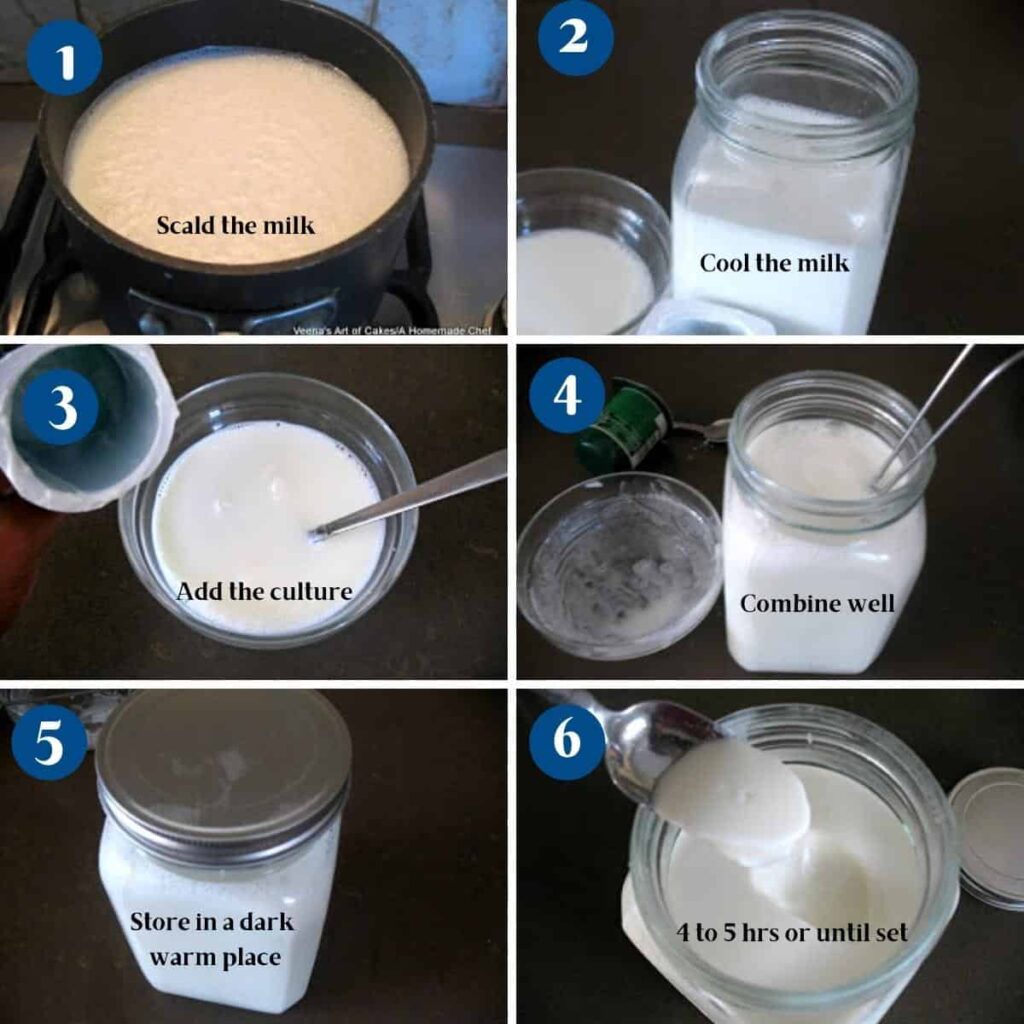
Are you tired of consuming commercial yogurt that is high in sugar and low in nutrients? Look no further! Making your own yogurt at home is a simple, healthy, and cost-effective way to enjoy this delicious and nutritious snack. In this article, we will explore the benefits of making your own yogurt at home, provide a step-by-step guide on how to do it, and offer some tips and tricks for achieving perfect yogurt.
Why Make Yogurt at Home?
Making yogurt at home offers several benefits over consuming commercial yogurt. For one, it allows you to control the ingredients and sugar content of your yogurt, making it a much healthier option. Additionally, homemade yogurt is often more cost-effective than buying it from the store, and it’s also easier to customize the taste and texture to your liking.
The Benefits of Homemade Yogurt
Making your own yogurt at home allows you to:
- Control the amount of sugar that goes into your yogurt
- Choose the type of milk you use (e.g., whole, skim, or non-dairy)
- Experiment with different flavorings and ingredients (e.g., fruit, herbs, or spices)
- Enjoy a more natural and less processed product
What You Need to Make Yogurt at Home
To make yogurt at home, you’ll need the following:
- 1 liter of milk (whole, skim, or non-dairy)
- 1 cup of plain yogurt (any type)
- A yogurt maker or a clean glass jar with a lid
- Optional: flavorings and ingredients of your choice
Step-by-Step Guide to Making Yogurt at Home
Making yogurt at home is a simple process that requires just a few minutes of preparation and incubation time. Here’s how to do it:
- Prepare Your Milk: Start by heating the milk to a temperature of 180°F (82°C). Let it cool to around 110°F (43°C) before proceeding.
- Add the Starter Culture: Add 1 cup of plain yogurt to the cooled milk and stir well. The yogurt contains live cultures that will help ferment the milk and create the desired texture and taste.
- Incubate the Mixture: Pour the mixture into a clean glass jar or a yogurt maker and let it incubate at room temperature (around 70-80°F or 21-27°C) for 8 hours. This allows the natural bacteria in the yogurt to ferment the milk, creating lactic acid and thickening the mixture.
- Chill and Store: After the incubation period, refrigerate the yogurt to chill it down before serving.
Tips and Tricks for Achieving Perfect Yogurt
Making yogurt at home requires some trial and error to get the texture and taste just right. Here are some tips and tricks to help you achieve perfect yogurt:
- Adjust the Incubation Time: If your yogurt is too liquid, let it incubate for another 30 minutes to an hour. If it’s too thick, try reducing the incubation time.
- Experiment with Flavorings: Try adding different flavorings such as fruit, herbs, or spices to create unique and delicious flavors.
- Adjust the Sugar Content: If you prefer your yogurt less sweet, reduce the amount of sugar in the recipe.
Common Questions about Making Yogurt at Home
Here are some frequently asked questions about making yogurt at home:
- Q: Can I make yogurt with any type of milk?
A: Yes, but different types of milk will yield different textures and flavors. For example, whole milk produces a creamier texture, while skim milk produces a thinner texture. - Q: How long does it take to make yogurt at home?
A: The incubation time can vary depending on the temperature and type of milk used, but typically ranges from 6-8 hours. - Q: Can I store homemade yogurt in the fridge for a longer period?
A: Yes, but it’s recommended to consume homemade yogurt within a week or two for optimal flavor and texture.
Tips for Choosing the Right Milk
When choosing the right milk for making yogurt at home, there are several factors to consider:
- Type of milk: Whole milk, skim milk, almond milk, soy milk, and coconut milk are all viable options. Choose one that suits your dietary needs and preferences.
- Fat content: Whole milk contains more fat than skim milk, which can affect the texture and flavor of your yogurt. Skim milk produces a thinner texture but is still creamy.
- Non-dairy milks: Non-dairy milks such as almond milk and soy milk are popular alternatives to traditional dairy milk.
Tips for Choosing the Right Starter Culture
When choosing the right starter culture for making yogurt at home, there are several factors to consider:
- Type of starter culture: There are two main types of starter cultures: traditional and non-traditional. Traditional starter cultures use Lactobacillus bulgaricus and Streptococcus thermophilus, while non-traditional starter cultures may include other bacteria such as Bifidobacterium or Lactobacillus acidophilus.
- Quality of starter culture: Look for a high-quality starter culture that is free from contaminants and has been tested for its ability to ferment milk.
Safety Precautions When Making Yogurt at Home
When making yogurt at home, it’s essential to follow proper safety precautions to ensure the quality and safety of your final product:
- Use clean equipment: Wash all equipment thoroughly before use, and make sure that all utensils are sanitized.
- Store yogurt properly: Refrigerate yogurt promptly after incubation, and store it in a sealed container to prevent contamination.
Conclusion
Making yogurt at home is a simple, healthy, and cost-effective way to enjoy this delicious and nutritious snack. With a little trial and error, you can achieve perfect yogurt that meets your taste preferences. Remember to control the ingredients, experiment with different flavors, and enjoy the benefits of homemade yogurt!
FAQs
- Q: Can I make yogurt at home with a slow cooker?
A: Yes, but it requires more time and effort to monitor the temperature and incubation period. - Q: How can I ensure that my homemade yogurt is free from contaminants?
A: Use clean equipment, store your yogurt in a clean environment, and follow proper food safety guidelines. - Q: Can I make yogurt with almond milk or other non-dairy milks?
A: Yes, but keep in mind that the texture and flavor may vary depending on the type of milk used. - Q: How do I know when my homemade yogurt is ready to eat?
A: It should be thick, creamy, and have a tangy taste. If it’s still too runny or thin, let it incubate for another 30 minutes to an hour.
Common Mistakes When Making Yogurt at Home
When making yogurt at home, there are several common mistakes that can occur:
- Insufficient heating: Failing to heat the milk properly can lead to a low bacterial culture growth and a less desirable texture.
- Inadequate incubation time: Not allowing the mixture to incubate for long enough can result in a runny or thin yogurt.
- Poor sanitation: Failure to sanitize equipment and utensils can introduce contaminants into the yogurt, leading to spoilage.
Troubleshooting Common Issues with Homemade Yogurt
When making homemade yogurt, there are several common issues that can arise:
- Runny or thin yogurt: Let the mixture incubate for another 30 minutes to an hour.
- Too thick yogurt: Try reducing the incubation time.
- Sour or unpleasant taste: Check the starter culture and adjust as necessary.
Making Yogurt at Home with a Yogurt Maker
If you’re interested in making yogurt at home, but don’t have a yogurt maker, there are still several options available:
- Slow cooker: Use a slow cooker to incubate the mixture.
- Glass jar: Use a clean glass jar and let it sit at room temperature for 8 hours.
- Oven proof container: Use an oven-proof container and let it sit in a warm place (around 100-110°F) for 8 hours.
Conclusion
Making yogurt at home is a simple, healthy, and cost-effective way to enjoy this delicious and nutritious snack. With the right ingredients, equipment, and techniques, you can create perfect yogurt that meets your taste preferences.


