
Magnetotherapy has been gaining popularity in recent years as a natural remedy for various health issues. But is it more than just hype? In this article, we’ll delve into the world of magnetotherapy and explore its claims, scientific evidence, and potential risks.
Introduction
Magnetotherapy uses electromagnetic fields to promote healing and relaxation. There are three main types of magnetotherapy: static, low-frequency, and high-frequency. The idea behind it is that these magnetic fields can interact with the body’s cells, tissues, and organs to produce a therapeutic effect.
What is Magnetotherapy?
Magnetotherapy uses electromagnetic fields to treat various health conditions. The treatment typically involves placing the individual under a device that emits a specific frequency of magnetic field energy. This energy can penetrate deep into the body, stimulating cellular activity, improving circulation, and enhancing overall well-being.
The therapy can be performed in various settings, including clinics, spas, and even at home using commercial devices. Some therapists also use magnets to create magnetic fields for their clients. The treatment is often combined with other modalities such as massage, acupuncture, or physical therapy to enhance its effects.
Theoretical Benefits of Magnetotherapy
Proponents of magnetotherapy claim that it can:
- Stimulate bone growth and density
- Reduce inflammation and pain
- Improve circulation and oxygenation
- Enhance wound healing and tissue repair
Some people believe that the magnetic fields can also influence the body’s energy systems, promoting overall well-being. This idea is based on theories of quantum physics and the concept of zero-point energy, which proposes that all matter has a natural resonance frequency.
Scientific Evidence: What Does the Research Say?
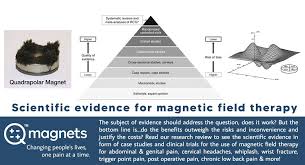
Despite its growing popularity, magnetotherapy has not been extensively scientifically studied. In fact, a 2002 report from the National Science Foundation concluded that there is no scientific basis for its effectiveness.
More recent studies have failed to provide conclusive evidence of its benefits. A 2009 study by the American Cancer Society found that electromagnetic therapy had “no proven benefit” in cancer treatment.
In Italy, researcher Alberto Borraccino published a study titled “La magnetoterapia, duecento anni di promesse mancate” (Magnetotherapy: 200 Years of Unfulfilled Promises), highlighting the lack of scientific evidence supporting its claims.
Potential Risks and Contraindications
While magnetotherapy may seem harmless, it can pose risks to certain individuals. For example:
- Interference with pacemakers and other medical devices
- Damage to prosthetic implants or metal objects
- Increased risk of cancer for those with pre-existing tumors
Additionally, women in pregnancy or lactation should avoid magnetotherapy due to potential harm to the developing fetus or baby.
The therapy can also cause temporary side effects such as:
- Skin irritation or rashes
- Headaches
- Fatigue
- Nausea
Cost and Duration
The cost of magnetotherapy sessions can range from €30 to €1,000 per cycle, depending on the duration and frequency of treatment. Some therapists may offer package deals or discounts for regular clients.
While some claim that it’s a natural, holistic approach to health, there’s no concrete evidence to support its effectiveness. The therapy is often performed in short sessions, typically lasting between 30 minutes to several hours, depending on the individual’s needs and goals.
Case Studies: Real-Life Experiences
Some people swear by magnetotherapy, claiming that it has improved their overall health and well-being. However, these testimonials are largely anecdotal and lack concrete scientific evidence to support their claims.
One case study published in a 2013 issue of the Journal of Alternative and Complementary Medicine reported on a woman who used magnetotherapy to alleviate symptoms of chronic pain. While she claimed that the treatment had reduced her pain levels, there was no control group or placebo to compare with.
Another case study published in 2018 reported on a man who used magnetotherapy to enhance his athletic performance. He claimed that it improved his endurance and recovery time, but again, there was no scientific evidence to support these claims.
Conclusion: What’s the Verdict?
Magnetotherapy is not supported by scientific evidence, and its potential risks outweigh any perceived benefits. While it may be tempting to try alternative therapies, it’s essential to separate fact from fiction and prioritize proven treatments for specific health conditions.
In many cases, magnetotherapy can be a harmless treatment, but it should never replace conventional medical care or advice. Individuals considering magnetotherapy should consult with a qualified healthcare professional to discuss potential risks and alternatives.
Frequently Asked Questions (FAQs)
- Is magnetotherapy safe?
While generally considered safe, magnetotherapy can pose risks to certain individuals, particularly those with pre-existing medical conditions or pacemakers.
2. What are the benefits of magnetotherapy?
Proponents claim that it can stimulate bone growth, reduce inflammation, and improve circulation, among other benefits. However, these claims are largely anecdotal and lack concrete scientific evidence.
3. Is magnetotherapy effective for cancer treatment?
No conclusive evidence supports its effectiveness in cancer treatment or any specific health condition.
4. Can I try magnetotherapy at home?
While some devices are available for purchase online, there’s no guarantee of their safety or efficacy. Consult with a healthcare professional before attempting self-treatment.
5. What should I do if I’m considering magnetotherapy?
Prioritize proven treatments and consult with a qualified healthcare professional to discuss potential risks and alternatives.
6. Is magnetotherapy regulated by any government agency?
In the US, the National Science Foundation has reported on its lack of scientific basis for effectiveness. In Italy, the Ministry of Health has not issued specific guidelines or regulations regarding magnetotherapy.
- Can I get compensation if I experience adverse effects from magnetotherapy?
Regulatory bodies and insurance providers may cover costs related to adverse effects, but this varies depending on individual circumstances.
8. What’s the future of magnetotherapy research?
More studies are needed to fully understand its potential benefits and risks. Researchers should prioritize rigorous, evidence-based testing to inform its development and use in clinical settings.
In conclusion, while magnetotherapy may seem appealing as an alternative therapy, it is essential to approach this topic with a critical and open-minded perspective. By separating fact from fiction and prioritizing scientific evidence, we can make informed decisions about our health and well-being.


