
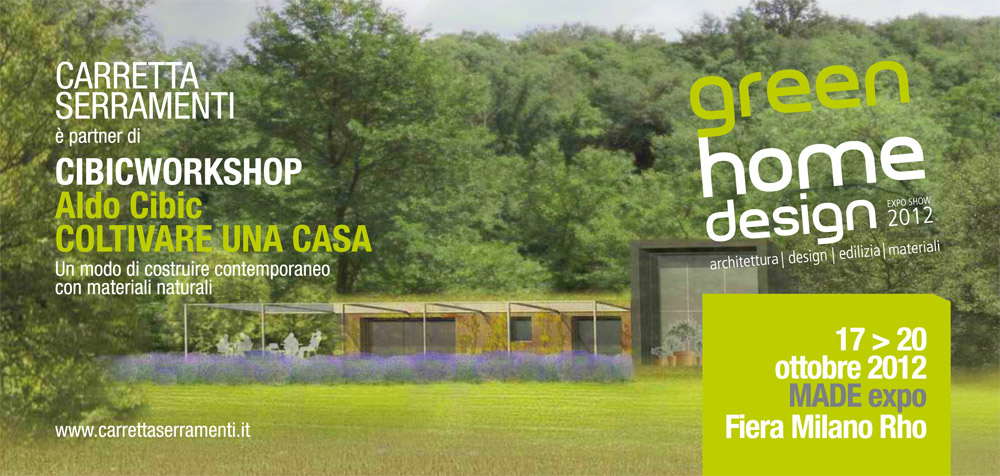
The 2012 edition of Made Expo was a groundbreaking event that showcased the growing importance of sustainability in the construction industry. As President of FederlegnoArredo, Roberto Snaidero explained that the direction of the sector is focused on building and living green.
1. What Was the 2012 Edition of Made Expo Like?
The 2012 edition of Made Expo was a resounding success, with 231,729 attendees (-8.6%) and 31,235 international visitors, which is a remarkable achievement given the challenges faced by the construction industry in Italy. The majority of the 1,532 exhibitors expressed satisfaction, citing interesting contacts, a positive atmosphere, and strong public interest in the numerous new products presented.
The event was held at Fiera di Milano, with a total exhibition area of over 60,000 square meters. This provided attendees with an immersive experience, showcasing the latest innovations and trends in sustainable building practices. The layout was designed to facilitate navigation and interaction between exhibitors, visitors, and industry experts, creating a collaborative environment that fostered knowledge sharing and networking.
2. What Themes Did You Focus On This Year?
The theme of eco-sustainability cannot be ignored anymore, as it directly affects human activity. That’s why, after an initial approach started in 2008, the “costruire e vivere green” concept was fully integrated into this year’s event, uniting all categories and sectors.
Made Expo 2012 explored various aspects of sustainable construction, including energy efficiency, environmental protection, and innovative materials. The event featured a range of exhibits, workshops, and seminars that addressed these topics in depth, providing visitors with a comprehensive understanding of the latest trends and technologies in sustainable building practices.
3. How Have Eco-Sustainable Proposals Changed Over the Years?
The attention to environmental quality is part of our daily lives. It’s a fundamental change that needs to be made, and businesses in the construction sector must adapt. The numerous eco-sustainable proposals presented at Made Expo this year demonstrate that they understand the importance of this shift.
Over the years, sustainable building practices have evolved significantly, with a growing focus on reducing environmental impact. The use of renewable energy sources, such as solar and wind power, has become more widespread, while innovative materials like recycled plastics and low-carbon concrete have gained popularity.
4. What About Energy Savings?
Visitors had the opportunity to discover the latest innovations in energy efficiency, where wood played a key role due to its natural insulating properties, making it an ideal material for isolating our homes and reducing their energy consumption.
The use of wood as an insulating material has been a long-standing tradition in sustainable building practices. However, recent advancements have made it possible to harness the full potential of wood’s thermal mass, leading to even greater energy savings. This is particularly relevant in buildings with high thermal loads, where energy-efficient design and materials can make a significant difference.
5. What Was the Smart Village at Made Expo Like?
The Smart Village was organized by Made Expo and Edilportale.com and brought together over 50 companies to showcase and deepen knowledge on materials and technologies for efficient construction. The “passive house” built inside the space, with a scale of 1:1, represented the excellence of contemporary green building based on the concept of almost-zero energy homes.
The Smart Village was an interactive exhibit that demonstrated the feasibility of smart buildings in real-world scenarios. Visitors could explore the passive house and learn about its cutting-edge features, such as advanced insulation systems, high-performance windows, and optimized ventilation strategies. This hands-on experience provided a unique opportunity to understand how sustainable building practices can be integrated into everyday life.
6. What Is the Carta di Identità degli Edifici?
The Carta di Identità degli Edifici is an instrument for monitoring and evaluating the quality and sustainability of Italy’s built heritage. The aim is to identify potential risks and program maintenance interventions over time, with the goal of creating a single document with certification value that includes all urbanistic, edilitious, administrative, fiscal information.
The Carta di Identità degli Edifici initiative is part of a broader effort to promote sustainability in Italy’s built environment. By providing a standardized framework for evaluating and maintaining buildings, this instrument aims to reduce the environmental impact of existing structures while also improving their energy efficiency and overall performance.
7. What About the Manifesto for the 55% Proportion?
Made Expo also saw the signing of the manifesto calling for the extension of the 55% proportion for interventions of building requalification to December 31, 2020. The current measure has already led to over 1.4 million interventions, with around €17 billion in investments and the creation of over 50,000 jobs each year in involved sectors.
The manifesto was signed by a coalition of industry associations, policymakers, and industry experts who recognized the importance of sustainable building practices in driving economic growth while minimizing environmental harm. By extending the deadline for the 55% proportion, the signatories hope to encourage further investment in requalification projects and promote the widespread adoption of eco-friendly construction methods.
FAQs
- What is the significance of the “costruire e vivere green” concept at Made Expo?
The concept represents a fundamental shift towards sustainable building and living practices, aligning with the growing awareness of environmental issues.
- How has the focus on eco-sustainability evolved over time?
After an initial approach in 2008, this year’s event fully integrated the “costruire e vivere green” theme, uniting all categories and sectors.
- What innovations were showcased at Made Expo concerning energy efficiency?
The latest advancements in energy-efficient technologies, such as those using natural insulation properties like wood, were presented to promote more sustainable building practices.
- Can you describe the Smart Village at Made Expo?
The Smart Village brought together over 50 companies to showcase innovative materials and technologies for efficient construction, with a particular emphasis on sustainable practices.
- What is the purpose of the Carta di Identità degli Edifici initiative?
This instrument aims to monitor and evaluate Italy’s built heritage quality and sustainability, identifying potential risks and program maintenance interventions.
- What does the manifesto calling for the 55% proportion extension entail?
The current measure has already led to significant investments and job creation; an extended deadline would ensure continued access to requalification incentives for a wider range of properties.
- How do you see the future of sustainable construction practices?
A growing focus on eco-sustainability will continue, driven by technological innovations, increasing environmental awareness, and regulatory support.
- What role does Made Expo play in promoting sustainable building practices?
As an international event that brings together industry experts, policymakers, and innovators, Made Expo plays a crucial role in raising awareness about the importance of sustainable construction and providing a platform for sharing knowledge and expertise.
- How can individuals contribute to reducing their environmental footprint in the construction sector?
By choosing eco-friendly materials, supporting companies that prioritize sustainability, and advocating for policies that promote green building practices.
- What are the potential economic benefits of investing in sustainable construction?
Beyond just energy savings and environmental improvements, sustainable construction can lead to increased property values, reduced maintenance costs, and improved public health.
In conclusion, Made Expo 2012 marked a significant milestone in the evolution of sustainable construction practices. By showcasing innovative solutions, promoting eco-friendly materials, and raising awareness about the importance of sustainable building practices, the event demonstrated its commitment to driving positive change in the industry.


