
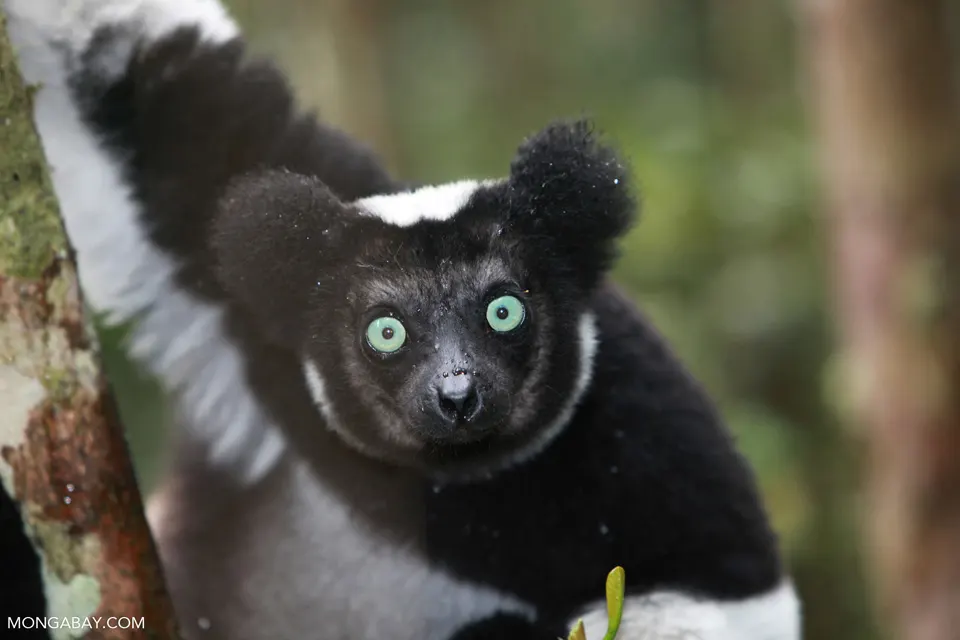
Lemurs are small to medium-sized primates endemic to the island nation of Madagascar. These fascinating creatures have captured the hearts of many with their unique appearance, intelligence, and social behaviors. In this article, we’ll delve into the world of lemurs, exploring their scientific classification, characteristics, behavior, and significance.
What are Lemurs?
Lemurs belong to the infraorder Lemuriformes, which is part of the primate order. They are divided into four living families (Cheirogaleidae, Indriidae, Lepilemuridae, and Daubentoniidae) and three extinct families. The term “lemur” originates from the Latin word for spirits of the night, likely due to their large eyes and nocturnal behavior.
Lemurs: Characteristics
Lemurs are known for their distinctive features, which vary across species. Some common characteristics include:
- Large eyes with a round shape
- Soft fur or hairlessness
- Long tails, some species having striped patterns
- Small brains compared to body size
- Herbivorous diet, with varying levels of adaptability
Lemurs: Behavior
These social animals exhibit unique behaviors, such as:
- Complex communication systems using vocalizations, scent marking, and visual displays
- Social hierarchies, often matriarchal in nature
- Cooperative breeding and caring for young
- Territorial behavior, with some species defending specific areas
Lemurs: Significance
These fascinating creatures have significant ecological and cultural importance:
- Ecological significance: Lemurs play a crucial role in maintaining the balance of Madagascar’s unique ecosystem.
- Cultural significance: Lemurs are revered by local communities for their intelligence, social complexity, and adaptability.
Meet the Famous Lemur: Ring-tailed Lemur (Lemur catta)
The ring-tailed lemur is one of the most well-known species, found in the dry forests of southern and western Madagascar. These diurnal animals are characterized by:
- A distinctive black-and-white striped tail
- Large eyes with a round shape
- Omnivorous diet, including fruits, flowers, leaves, and insects
Meet the Rare and Elusive Lemur: Aye-Aye (Daubentonia madagascariensis)
The aye-aye is a unique species, found in the dry forests of Madagascar. They are known for:
- Their long fingers and toes
- Their ability to tap on trees with their middle finger
- Their diet of insects, fruits, and small animals
Other Notable Lemur Species
In addition to the ring-tailed lemur and aye-aye, several other species have gained recognition for their unique characteristics:
- Red-ruffed lemur (Varecia rubra): Known for its striking red fur, this diurnal lemur is found in the dry forests of Madagascar.
- Silky sifaka (Propithecus candidus): This nocturnal lemur has distinctive silky fur and a soft, pale coat.
- Brown mouse lemur (Microcebus rufus): One of the smallest primates in the world, this tiny lemur is found in Madagascar’s dry forests.
Conservation Efforts
Lemurs face significant threats from habitat loss, fragmentation, and hunting. Conservation efforts focus on protecting habitats, monitoring populations, and engaging local communities in lemur conservation.
- Protected areas: National parks and protected areas provide a safe haven for lemurs to thrive.
- Research and monitoring: Scientists study lemur behavior, ecology, and population dynamics to inform conservation strategies.
- Community engagement: Local communities are involved in lemur conservation efforts, promoting sustainable forest management and ecotourism.
Threats to Lemur Populations
Lemurs face numerous threats, including:
- Habitat loss: Deforestation and habitat fragmentation reduce the availability of food, shelter, and breeding grounds.
- Hunting: Lemurs are hunted for bushmeat and their body parts are used in traditional medicine.
- Climate change: Rising temperatures and changing precipitation patterns affect lemur habitats and behavior.
Conservation Success Stories
Despite the challenges, conservation efforts have led to some success stories:
- Ring-tailed lemur population growth: Conservation efforts have helped increase ring-tailed lemur populations, with some areas experiencing significant growth.
- Aye-aye reintroduction programs: Efforts to reintroduce aye-ayes into their natural habitats have shown promise, with successful breeding programs and increasing populations.
- Community-led conservation: Local communities are increasingly involved in lemur conservation, promoting sustainable forest management and ecotourism.
Conclusion
Lemurs are fascinating creatures that offer insights into the natural world. Their unique characteristics, behaviors, and ecological importance make them a vital part of Madagascar’s ecosystem. As we learn more about these amazing animals, we can work together to protect and conserve their populations for future generations.
Frequently Asked Questions (FAQs)
- What is the average lifespan of lemurs?
Lemurs’ lifespans vary depending on species and environmental factors. On average, they live between 10-20 years in the wild. - Are lemurs intelligent animals?
Yes, lemurs are considered one of the most intelligent primates, known for their problem-solving abilities and complex social behaviors. - What is the main threat to lemur populations?
Habitat loss and fragmentation are the primary threats, followed by hunting and climate change. - Can lemurs be domesticated?
No, lemurs are wild animals and should not be kept as pets. They have specific needs that cannot be met in a domestic setting. - Are lemurs social animals?
Yes, most lemur species are highly social and live in groups, often with complex social hierarchies. - Can I see lemurs in the wild?
Yes, some lemur species can be spotted in their natural habitats, but it’s essential to respect their environment and follow local guidelines for responsible wildlife viewing. - How can I help protect lemurs?
Support conservation efforts by donating to reputable organizations, spreading awareness about lemur conservation, and reducing your carbon footprint to mitigate climate change. - Are lemurs endangered?
Some lemur species are considered endangered due to habitat loss, hunting, and other human activities. Efforts to protect their habitats and reduce threats can help mitigate this risk.
Additional Resources
For those interested in learning more about lemurs and conservation efforts, the following resources are available:
- Madagascar National Parks: Learn about Madagascar’s national parks and protected areas.
- International Union for Conservation of Nature (IUCN): Discover IUCN’s lemur conservation efforts and species profiles.
- World Wildlife Fund (WWF) – Madagascar Program: Explore WWF’s programs and initiatives dedicated to lemur conservation in Madagascar.
By learning more about lemurs and their fascinating world, we can inspire action to protect these incredible animals and their habitats.


