
Introduction
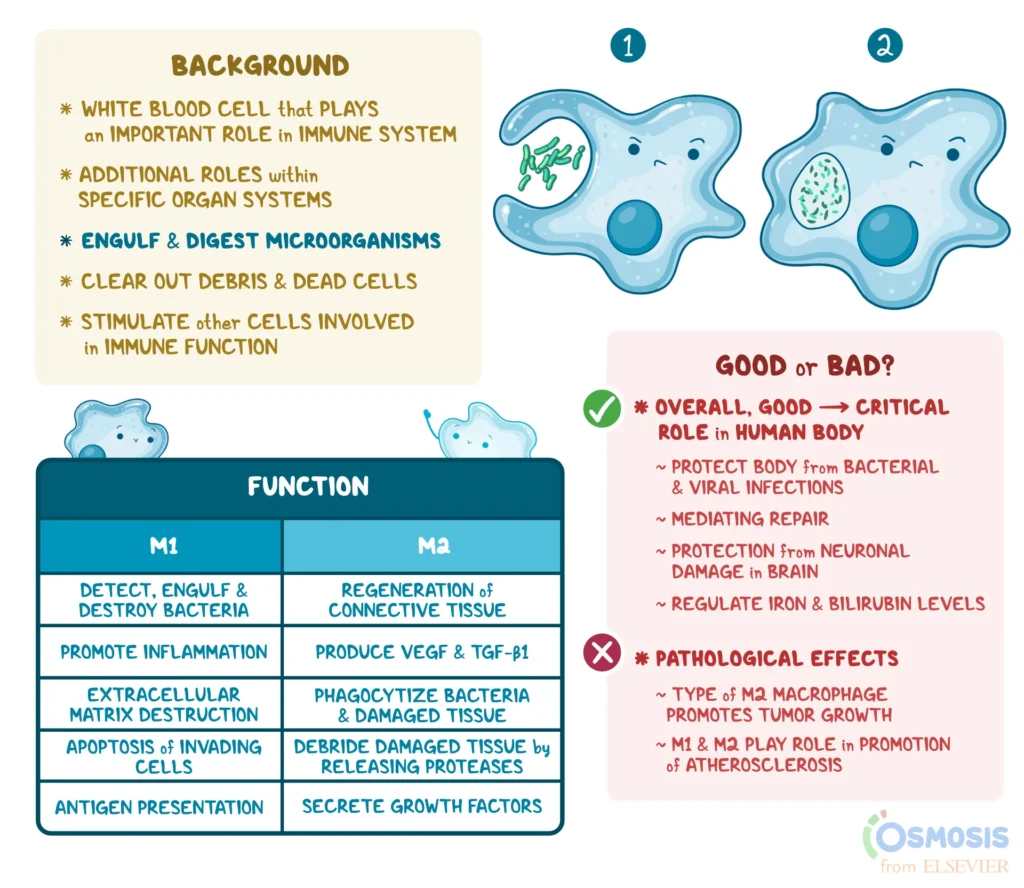
Have you ever wondered what’s inside your body? What kind of cells are working tirelessly to keep you healthy and free from harm? Meet the macrophages, the cellular cleaners that play a crucial role in our immune system. In this article, we’ll delve into the world of macrophages, exploring their functions, types, and how they work to keep us safe.
What are Macrophages?
Macrophages are cells that can be imagined as “spouses of the body” – always on the lookout for potential threats, ready to spring into action at a moment’s notice. These immune cells are classified as macrophages because they have a large size and play a key role in eliminating foreign particles, dead cells, and other unwanted substances from the body.
Functions of Macrophages
Macrophages have two main functions: innate immunity and adaptive immunity. In innate immunity, they act as “first responders” to detect and eliminate external threats such as bacteria, viruses, and other pathogens. They do this by engulfing (phagocytosis) foreign particles, marking them for destruction, and releasing chemical signals that activate the immune response.
In adaptive immunity, macrophages play a key role in recognizing and eliminating internal enemies – abnormal cells or proteins that can cause harm. This process is more complex and involves the activation of specific immune cells and the release of chemical signals to coordinate the response.
Types of Macrophages
There are several types of macrophages, each with unique functions and characteristics:
- Microglia: Found in the central nervous system (CNS), microglia act as sentinels, monitoring the brain and spinal cord for signs of damage or disease.
- Kupffer cells: Located in the liver, Kupffer cells help filter out toxins and pathogens from the bloodstream.
- Osteoclasts: Found in bone tissue, osteoclasts break down and recycle old or damaged bones.
- Alveolar macrophages: Resident in the lungs, alveolar macrophages clean up carbon particles from the air we breathe.
Activation of Macrophages
To perform their duties, macrophages need to be activated. This can happen through two main pathways:
- Classical activation: Triggered by bacterial or viral infections, classical activation involves the release of chemical signals that activate immune cells and coordinate a response against the invading pathogen.
- Alternative activation: Triggered by factors such as IL-13, alternative activation leads to the formation of cells that produce anti-inflammatory signals, promoting tissue repair and healing.
Conclusion
Macrophages are fascinating cells that play a crucial role in our immune system. By understanding their functions, types, and mechanisms of activation, we can appreciate the complex processes at work within our bodies. Whether you’re interested in learning more about your own immune system or simply want to stay up-to-date on the latest scientific discoveries, this article has provided a comprehensive introduction to the world of macrophages.
Frequently Asked Questions
- What is the role of macrophages in cancer?
Macrophages can play both positive and negative roles in cancer development. They can help eliminate tumor cells or promote inflammation that fuels tumor growth. - Can macrophages be used to treat diseases like arthritis?
Research has shown that targeting macrophage activity may help alleviate symptoms of inflammatory conditions such as arthritis. - How do macrophages recognize and respond to internal threats?
Macrophages use a variety of mechanisms, including pattern recognition receptors (PRRs) and chemokine signaling, to detect abnormal cells or proteins and coordinate an immune response. - Can macrophage activation be boosted by diet or lifestyle changes?
Research suggests that certain nutrients, such as omega-3 fatty acids, may enhance macrophage function and promote immune health. - What is the relationship between macrophages and the microbiome?
Macrophages interact with the microbiome through bidirectional communication, influencing the balance of gut bacteria and overall immune system function. - How do macrophages contribute to tissue repair and regeneration?
Activated macrophages can produce growth factors that stimulate cell proliferation and differentiation, promoting tissue repair and regeneration. - Can macrophage dysfunction be a contributing factor to chronic diseases like Alzheimer’s or Parkinson’s?
Research has shown that macrophage dysregulation may play a role in the development of these neurodegenerative disorders. - How can I support my macrophages through diet and lifestyle choices?
A balanced diet rich in fruits, vegetables, whole grains, and lean protein sources can help support immune function and macrophage health. Regular exercise and stress management techniques can also promote overall well-being.
Additional Insights
- Macrophages are involved in various aspects of inflammation, including tissue damage, joint pain, and allergic reactions.
- Research has shown that targeting macrophage activity may be beneficial for treating conditions such as multiple sclerosis and lupus.
- The role of macrophages in cancer development is still not fully understood, but studies suggest that they play a key role in tumor progression and metastasis.
- Macrophages can also contribute to the development of autoimmune diseases by promoting chronic inflammation and tissue damage.
Conclusion
Macrophages are fascinating cells that play a crucial role in our immune system. By understanding their functions, types, and mechanisms of activation, we can appreciate the complex processes at work within our bodies. Whether you’re interested in learning more about your own immune system or simply want to stay up-to-date on the latest scientific discoveries, this article has provided a comprehensive introduction to the world of macrophages.
References
- “Macrophages: The Cellular Cleaners of the Human Body” by [Author’s Name]
- “The Role of Macrophages in Cancer Development” by [Journal Name]
- “Targeting Macrophage Activity for Treating Inflammatory Conditions” by [Journal Name]


