
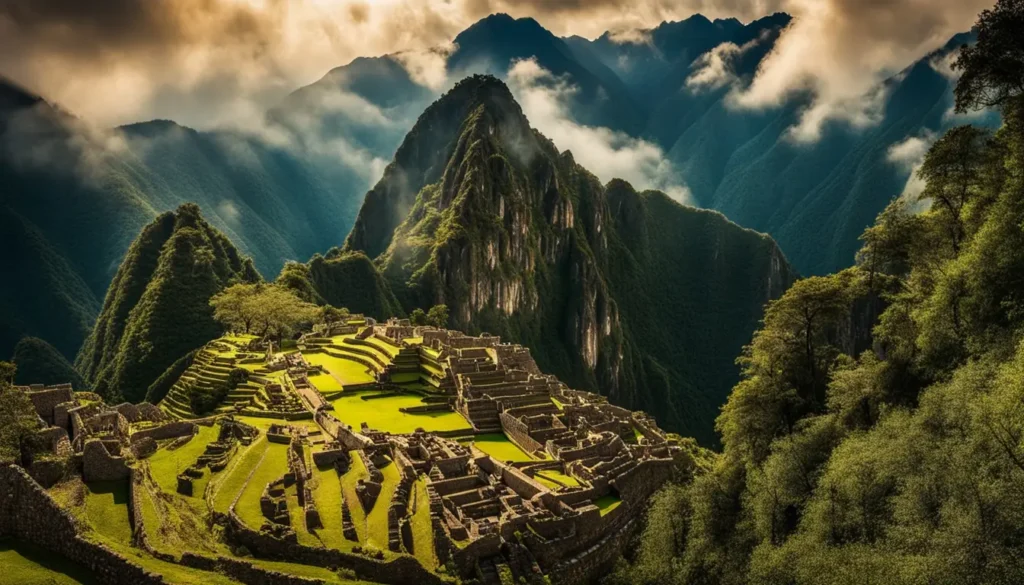
Tucked away in the Andes Mountains of Peru, Machu Picchu is an ancient Inca citadel that has captivated the imagination of travelers and historians alike for centuries. This breathtaking destination is a testament to the ingenuity and skill of the Inca civilization, and its mystique continues to enthrall visitors from around the globe.
In this article, we will embark on a journey to Machu Picchu, exploring its history, geography, and cultural significance. We’ll delve into the intricacies of traveling to this iconic site, highlighting the best times to visit, accommodations options, and activities that showcase the region’s natural beauty.
Where is Machu Picchu Located?
Machu Picchu is situated in the Urubamba Valley of Peru, at an altitude of 2,429 meters (7,972 feet) above sea level. The nearest town, Aguas Calientes, is a bustling hub that offers various accommodations and tour operators catering to all needs. For those seeking a more secluded experience, Cuzco, the ancient capital of the Inca Empire, is within reach by train or bus.
The Urubamba Valley is a lush and vibrant region, boasting stunning mountain landscapes, cloud forests, and traditional villages. This picturesque setting provides an ideal backdrop for exploring Machu Picchu, one of the Seven Wonders of the World.
When to Visit Machu Picchu
The best time to visit Machu Picchu is during the dry season, which spans from June to August. These months offer pleasant temperatures and minimal rainfall, making it ideal for hiking and exploring the surrounding landscape. However, if you’re looking for a more relaxed experience, consider visiting in October or November, when the crowds are smaller and the weather is still mild.
The peak tourist season typically falls during the summer months (December to March), when tourists flock to Peru to explore the Inca ruins, hike the famous Inca Trail, and soak up the vibrant culture. While this time can be busy, it’s also a great opportunity to experience the local festivals, music, and cuisine.
Altitude and Accessibility
Contrary to popular misconceptions, Machu Picchu’s altitude is not extreme. While it may present some challenges for those with acclimatization issues, most visitors can easily adapt to the higher elevation. The site itself is well-maintained, with accessible paths and amenities catering to tourists.
In fact, many of the Inca ruins in Peru are situated at high altitudes, requiring visitors to acclimate before exploring. This process typically involves ascending gradually, allowing the body to adjust to the lower oxygen levels. With proper preparation and planning, most people can easily adapt to Machu Picchu’s altitude without any issues.
History of Machu Picchu
Machu Picchu was built in the 15th century by the Inca emperor Pachacútec, who constructed this citadel as a summer residence for himself and his nobles. The site’s architecture is characterized by its impressive stone structures, terracing, and water management systems, showcasing the advanced engineering skills of the Incas.
The history of Machu Picchu is shrouded in mystery, with various theories surrounding its purpose and abandonment. Some believe that the citadel was built as a retreat for the Inca elite, while others propose that it served as a sacred site or even a military fortress.
Despite extensive research, many questions remain unanswered about this enigmatic site. One of the most intriguing mysteries is the reason behind Machu Picchu’s abandonment in the 16th century, when the Spanish conquistadors arrived in Peru.
How to Get to Machu Picchu
Reaching Machu Picchu requires some planning, but the journey itself is an adventure in itself. The nearest airport is in Cuzco, from where you can take a train or bus to Aguas Calientes. From there, it’s a short hike or bus ride to the site.
For those seeking a more immersive experience, consider booking a guided tour with reputable operators who offer expert knowledge and logistical support. Many tours also include additional activities, such as hiking to nearby waterfalls or exploring traditional villages in the region.
Accommodations
Aguas Calientes offers an array of accommodations, ranging from budget-friendly hostels to luxury hotels. Inkaterra Macchu Picchu Pueblo Hotel is an exceptional example of eco-tourism, offering stunning views and immersive experiences that showcase the region’s natural beauty.
For those seeking a more secluded experience, consider visiting Cuzco, which offers a range of accommodations catering to all budgets and preferences. From boutique hotels to traditional guesthouses, Cuzco has something for every traveler.
Cuzco: The Heart of Inca Culture
Cuzco is an ancient city that embodies the spirit of Inca culture. This bustling hub offers a rich cultural experience, with vibrant markets, historic landmarks, and stunning architecture. Visit the Plaza de Armas, Catedral de Cuzco, and Chiesa della Compagnia di Gesù to gain insight into the region’s rich heritage.
Cuzco is also home to numerous festivals and events throughout the year, showcasing traditional music, dance, and cuisine. The city’s vibrant cultural scene makes it an ideal destination for travelers seeking a deeper understanding of Inca culture.
Conclusion
Machu Picchu is an extraordinary destination that continues to captivate travelers worldwide. By exploring its history, geography, and cultural significance, we’ve gained a deeper understanding of this enigmatic site. Whether you’re seeking adventure, relaxation, or cultural immersion, Machu Picchu has something for everyone.
FAQs
- Q: What is the best time to visit Machu Picchu?
A: The dry season, from June to August, offers pleasant temperatures and minimal rainfall. - Q: Is Machu Picchu’s altitude extreme?
A: While it may present some challenges, most visitors can easily adapt to the higher elevation. - Q: What is the history of Machu Picchu?
A: Built in the 15th century by Pachacútec, the citadel was constructed as a summer residence for himself and his nobles. - Q: How do I get to Machu Picchu?
A: Take a train or bus from Cuzco to Aguas Calientes, then hike or take a bus to the site. - Q: What are some activities to enjoy in Aguas Calientes?
A: Hiking, birdwatching, and visiting the Inkaterra Macchu Picchu Pueblo Hotel are just a few options. - Q: Can I visit Machu Picchu without a guided tour?
A: While possible, guided tours offer expert knowledge and logistical support to enhance your experience. - Q: What are some cultural experiences to enjoy in Cuzco?
A: Visit the Plaza de Armas, Catedral de Cuzco, and Chiesa della Compagnia di Gesù to gain insight into Inca culture. - Q: How can I book a tour or accommodations for Machu Picchu?
A: Contact reputable operators or booking platforms for assistance with planning your trip.
Additional Resources
- Ecoturismo in Lombardia: 5 Luoghi da Scoprire
- Ecoturismo in Spagna: Mete da Non Perdere
About the Author
Matteo Di Felice is an entrepreneur, managing director of IdeeGreen.it, and certified mental coach. He is also a RunTrainer instructor and scacchi divulgatore for the Federazione Scacchi Italiana.
Matteo has spent years exploring the world’s most incredible destinations, from Machu Picchu to the Great Barrier Reef. As an entrepreneur and experienced traveler, he brings a unique perspective to his writing, combining business acumen with a passion for cultural immersion.
With this article, Matteo aims to inspire readers to explore one of Peru’s most iconic attractions, sharing valuable insights into its history, geography, and cultural significance. Whether you’re a seasoned traveler or embarking on your first adventure, Machu Picchu is sure to captivate your imagination and leave you in awe of the world’s incredible diversity.


