
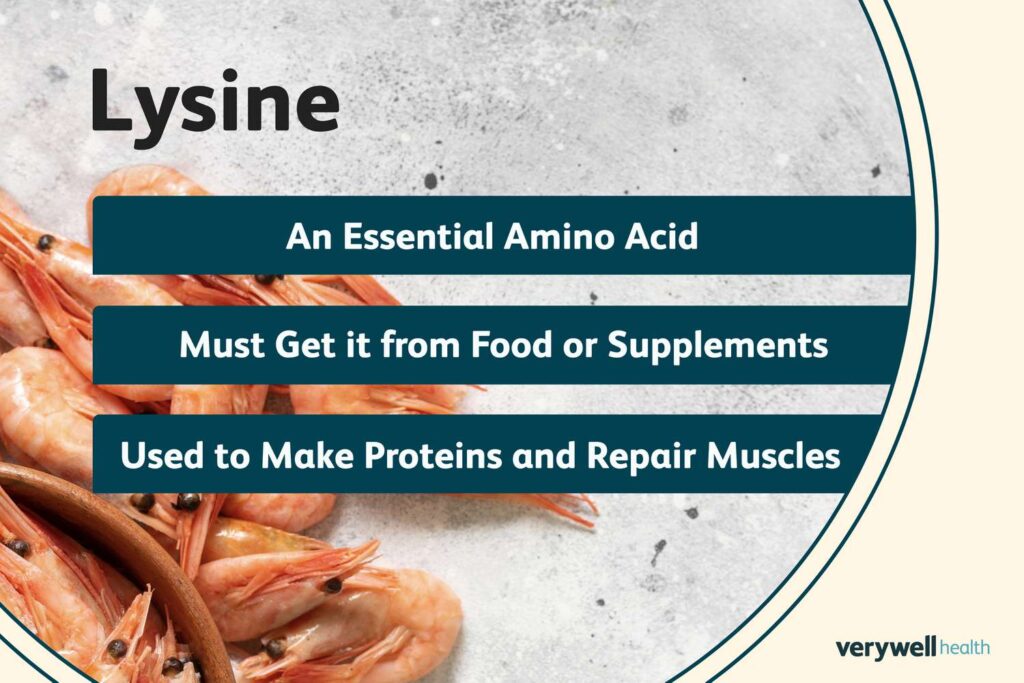
Lisina is one of the essential amino acids that our bodies need to function properly. However, unlike other amino acids, we cannot produce it on our own and must obtain it through our diet. In this article, we will delve into the world of lisina, exploring its history, benefits, and importance in maintaining good health.
What is Lisina?
Lisina is an amino acid that belongs to the category of essential amino acids, which includes phenylalanine, isoleucine, leucine, methionine, threonine, tryptophan, and valine. It plays a vital role in maintaining healthy skin, tissues, and immune systems. Without lisina, our bodies cannot function properly, making it essential to consume enough of this amino acid through our diet.
History of Lisina
Lisina was first isolated in the late 1800s, but it wasn’t until 1902 that it was synthesized in a laboratory. Since then, research has continued to uncover its numerous benefits and importance in maintaining good health.
What Does Lisina Do?
Lisina is a versatile amino acid with numerous functions in our bodies. It:
- Acts as a precursor to vitamin PP (niacin), which is essential for maintaining healthy skin, nerves, and digestive system.
- Helps produce carnitine, an enzyme that transports fatty acids into the mitochondria, where they are burned for energy.
- Plays a role in producing cadaverine, a molecule produced by intestinal bacteria during normal digestion or when following an overly high-protein diet.
- Helps maintain healthy hair by being a key component of keratin, a protein found in hair, skin, and nails.
- Supports the production of hormones, enzymes, and antibodies, which are essential for maintaining overall health.
- Helps regulate calcium levels in the bones, making it an important factor in preventing osteoporosis.
How Much Lisina Do We Need?
The recommended daily intake of lisina is approximately 12 mg/kg per day. Fortunately, this amino acid can be found in many protein-rich foods, including plant-based sources like soy and legumes, as well as animal-based sources such as meat, fish, dairy products, and eggs.
Food Sources of Lisina
Some of the richest sources of lisina include:
- Soybeans
- Legumes (such as lentils, chickpeas, and black beans)
- Meat (especially organ meats like liver and kidney)
- Fish (especially fatty fish like salmon and tuna)
- Dairy products (like milk and cheese)
- Eggs
Consequences of a Lisina Deficiency
A deficiency in lisina can lead to various health issues, including:
- Hair loss
- Anemia
- Nausea
- Eye redness
- Fatigue
- Difficulty concentrating
- Loss of appetite
- Osteoporosis
FAQs
- Can I get lisina from cereals?
No, cereals do not contain significant amounts of lisina. However, combining them with legumes can provide the necessary amino acids for protein synthesis. -
What happens if I take too much lisina?
Consuming excessive amounts of lisina can cause digestive issues like nausea and vomiting, as well as allergic reactions such as skin rashes and breathing difficulties. -
Is lisina safe for everyone to consume?
While lisina is generally considered safe, individuals with certain health conditions, such as diabetes, kidney or liver problems, and pregnant women should consult their doctor before taking supplements. -
Can lisina help with osteoporosis?
Yes, lisina can contribute to maintaining healthy bones by regulating calcium levels. It’s an essential component of a balanced diet that includes foods rich in this amino acid. -
How does lisina interact with other nutrients?
Lisina interacts positively with other amino acids like arginine and glutamine, which are crucial for various bodily functions. It also plays a role in the synthesis of collagen, an important protein found in connective tissue. -
Can I get lisina from supplements?
While supplements containing lisina can be beneficial, they should not replace a balanced diet that includes foods rich in this amino acid. -
What is the recommended daily intake of lisina for healthy individuals?
The daily recommended intake of lisina varies by age and sex but generally ranges between 5-15 mg per day for adults. -
Can lisina help with herpes simplex infections?
Research suggests that lisina may have a beneficial effect on herpes simplex virus (HSV) infections by limiting the replication of the virus.
Optimal Intake Levels
The optimal intake level of lisina can vary depending on age, sex, and health status. For example:
- Children: 5-10 mg per day
- Adults: 5-15 mg per day
- Pregnant women: 8-12 mg per day
- Breastfeeding women: 6-9 mg per day
Conclusion
In conclusion, lisina is a vital amino acid that plays a crucial role in maintaining overall health. Its deficiency can lead to various health issues, and its optimal intake level varies depending on individual factors. A balanced diet that includes foods rich in this amino acid, such as soybeans, legumes, meat, fish, dairy products, and eggs, is essential for ensuring adequate lisina levels.
Additional Recommendations
In addition to incorporating lisina-rich foods into your diet, consider the following recommendations:
- Consult with a healthcare professional before taking supplements or using them in conjunction with medications.
- Consider consulting with a registered dietitian or nutritionist to ensure you are meeting your daily needs for lisina and other essential nutrients.
- Avoid excessive consumption of lisina-rich foods, as this can lead to digestive issues.
Final Thoughts
In conclusion, the importance of lisina cannot be overstated. Its unique functions in maintaining healthy skin, tissues, immune systems, hair, bones, hormones, enzymes, antibodies, and connective tissue make it a vital component of a balanced diet. By understanding the role of lisina in our bodies and incorporating foods rich in this amino acid into our diets, we can take a proactive step towards optimal health and well-being.
References
- National Institutes of Health (NIH) – Office of Dietary Supplements
- Academy of Nutrition and Dietetics (AND)
- European Food Safety Authority (EFSA)
- Journal of Nutrition and Metabolism
- American College of Sports Medicine (ACSM)
Glossary
- Amino acid: A type of compound that contains carbon, hydrogen, oxygen, and nitrogen atoms.
- Essential amino acid: An amino acid that cannot be produced by the body and must be obtained through diet.
- Non-essential amino acid: An amino acid that can be produced by the body from other compounds.
- Vitamin PP (niacin): A vitamin essential for maintaining healthy skin, nerves, and digestive system.


