
Introduction
As the world shifts towards a more sustainable future, energy efficiency has become a crucial aspect of building design and construction. In Italy, the government has implemented various incentives to encourage homeowners to make their properties more energy-efficient. One of the most significant benefits is a lower tax on housing (IMU) rate for buildings that consume less energy. But how does this work, and what are the key factors that influence IMU rates? Let’s dive into the world of energy efficiency and explore its connection to lower IMU rates.
The Benefits of Energy Efficiency
Energy-efficient buildings can significantly reduce energy consumption, which in turn leads to cost savings for homeowners. According to a recent study, over 55% of Italy’s total energy consumption is attributed to residential buildings. By improving the energy efficiency of these buildings, homeowners can enjoy significant savings on their utility bills.
There are several benefits to energy-efficient buildings, including:
- Reduced Energy Consumption: Energy-efficient buildings consume less energy, which leads to lower utility bills and reduced greenhouse gas emissions.
- Increased Property Value: Energy-efficient buildings can increase property value, making them more attractive to potential buyers.
- Improved Indoor Air Quality: Energy-efficient buildings often feature improved ventilation systems, which can improve indoor air quality and reduce the risk of respiratory problems.
- Enhanced Comfort: Energy-efficient buildings can provide a more comfortable living space, thanks to improved temperature control and reduced noise pollution.
The Role of Fiscally-Backed Incentives
In Italy, there are several fiscal-backed incentives available for homeowners who invest in energy-efficient measures. One of the most prominent programs is the 55% rebate on energy-efficient upgrades, such as replacing old windows with new ones or installing solar panels. However, this program has been criticized for being limited to certain types of upgrades and not addressing other areas of energy efficiency.
Another incentive program is the Decreto Sviluppo, which introduced a comprehensive package aimed at promoting sustainable development in 2012. One of its key provisions was to increase the rebate on energy-efficient upgrades from 36% to 50%. This change aims to encourage more widespread adoption of energy-efficient measures and promote long-term sustainability.
The Impact of Decreto Sviluppo
Decreto Sviluppo has had a significant impact on the Italian energy efficiency market. The increased rebate has encouraged more homeowners to invest in energy-efficient upgrades, such as:
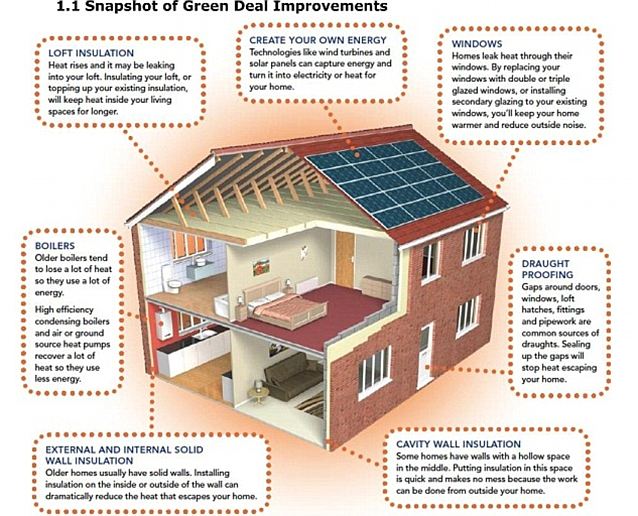
- Insulation Upgrades: Homeowners have started to upgrade their insulation, reducing heat loss and improving energy efficiency.
- Solar Panel Installations: Solar panels have become more affordable, making them a popular choice for homeowners looking to reduce their reliance on non-renewable energy sources.
- Energy-Efficient Lighting: Energy-efficient lighting options, such as LED bulbs, have become increasingly popular among homeowners.
Challenges in Implementing Energy Efficiency Measures
Despite the government’s efforts, implementing energy efficiency measures can be challenging for homeowners. The current system requires extensive documentation and bureaucratic processes, which can deter some individuals from pursuing energy-efficient upgrades.
Additionally, the current incentive structure may not effectively encourage the adoption of more comprehensive energy-saving measures. For example:
- Limited Rebate: The 55% rebate on energy-efficient upgrades is limited to certain types of upgrades, such as solar panels or new windows.
- Complex Bureaucracy: The process of obtaining certifications for energy-efficient upgrades can be complex and time-consuming.
Opportunities for Improvement
To overcome these challenges, there is a need for greater coordination between government agencies and stakeholders. This includes:
- Simplifying Documentation Requirements: Streamlining the documentation process can reduce the complexity and cost associated with implementing energy efficiency measures.
- Implementing Smart Grid Technologies: Smart grids can help optimize energy distribution and consumption, making it easier for homeowners to adopt energy-efficient practices.
- Aligning Incentives with Long-Term Sustainability Goals: Incentives should prioritize comprehensive energy-saving measures rather than focusing solely on individual upgrades.
Case Study: Residential Energy Efficiency
In Italy, residential buildings account for approximately 35% of total energy consumption. However, many of these buildings have higher-than-expected energy consumption due to factors like outdated insulation, inefficient heating systems, or inadequate windows. By implementing energy-efficient upgrades, homeowners can significantly reduce their energy bills and contribute to a more sustainable future.
A case study on residential energy efficiency in Italy highlights the benefits of energy-efficient measures:
- Energy Savings: Homeowners who implemented energy-efficient upgrades reported significant energy savings, ranging from 10% to 30%.
- Cost Savings: The cost savings associated with energy-efficient upgrades were substantial, with homeowners reporting an average annual savings of €500.
- Environmental Benefits: Energy-efficient upgrades can reduce greenhouse gas emissions and contribute to a more sustainable future.
The Power of Smart Grids
As the adoption of renewable energy sources continues to grow, traditional grid infrastructure is becoming increasingly strained. Smart grids offer a solution by enabling real-time monitoring and control of energy distribution, allowing for optimal management of demand response and energy efficiency.
Smart grids can help:
- Optimize Energy Distribution: Smart grids can optimize energy distribution, reducing energy waste and improving the overall efficiency of the grid.
- Manage Demand Response: Smart grids can manage demand response, adjusting energy supply to meet changing energy demands.
- Promote Renewable Energy: Smart grids can promote renewable energy sources by optimizing their integration into the grid.
Conclusion
In conclusion, energy efficiency plays a crucial role in reducing energy consumption and promoting sustainable development. By implementing simple yet effective measures, homeowners can enjoy lower IMU rates and contribute to a more environmentally friendly future. As the Italian government continues to promote sustainable development, it is essential that incentives are aligned with long-term sustainability goals, and bureaucratic processes are streamlined to encourage widespread adoption of energy-efficient practices.
Frequently Asked Questions
- What is the connection between energy efficiency and lower IMU rates?
In Italy, energy-efficient buildings can enjoy a lower tax on housing (IMU) rate due to reduced energy consumption. - How do fiscal-backed incentives for energy efficiency work?
Homeowners who invest in energy-efficient measures, such as replacing old windows with new ones or installing solar panels, are eligible for a 55% rebate on the upgrade cost. - What is Decreto Sviluppo and how does it impact energy efficiency?
Decreto Sviluppo introduced a comprehensive package aimed at promoting sustainable development in 2012, including an increased rebate on energy-efficient upgrades from 36% to 50%. - How can homeowners overcome challenges in implementing energy efficiency measures?
Homeowners can simplify the documentation process by obtaining certifications for energy-efficient upgrades and streamlining bureaucratic processes. - What role do smart grids play in promoting energy efficiency?
Smart grids enable real-time monitoring and control of energy distribution, allowing for optimal management of demand response and energy efficiency. - How can incentives be aligned with long-term sustainability goals?
Incentives should prioritize comprehensive energy-saving measures rather than focusing solely on individual upgrades. - What is the current state of energy-efficient buildings in Italy?
Residential buildings account for approximately 35% of total energy consumption, and many have higher-than-expected energy consumption due to outdated insulation, inefficient heating systems, or inadequate windows. - How can homeowners benefit from energy efficiency measures?
Homeowners can enjoy significant cost savings on their utility bills by implementing energy-efficient upgrades, contributing to a more environmentally friendly future, and potentially lowering their IMU rates.


