
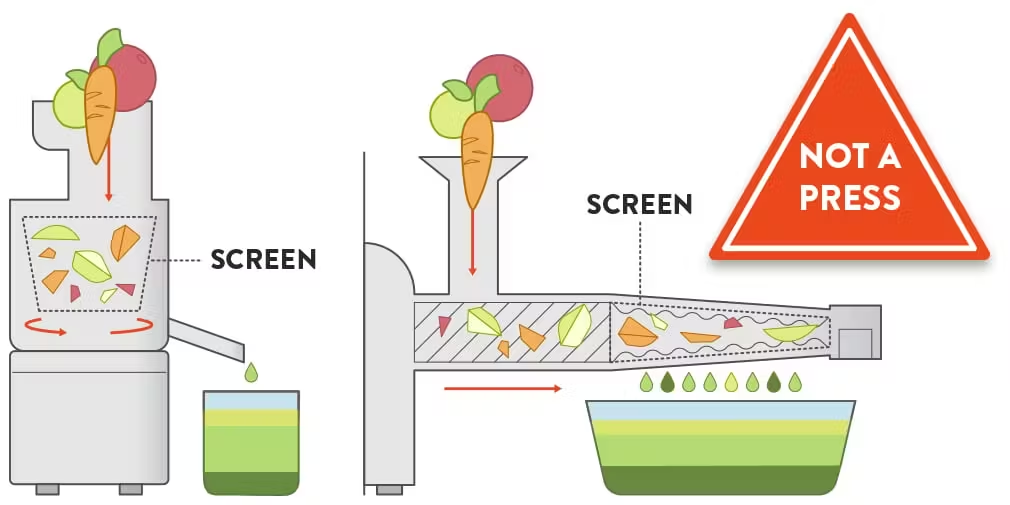
In recent years, slow juicers have gained popularity as a healthier alternative to traditional fruit and vegetable juices. Unlike centrifuges or blenders, which use high speeds to extract juice from produce, slow juicers work at a slower pace, preserving the nutrients and enzymes found in fruits and vegetables.
What Sets Slow Juicers Apart
Unlike centrifuges or blenders, slow juicers are designed to minimize heat generation, electrical discharge, and air exposure, which can damage the delicate compounds found in produce. As a result, the resulting juice is 6 times more rich in vitamins and 4 times more nutrient-rich than traditional juices.
The Benefits of Slow Juicing
Slow juicing has several benefits, including:
- Increased Nutrient Retention: The slow juicing process helps retain the nutrients and enzymes found in fruits and vegetables.
- Improved Digestibility: The juice produced by slow juicers is more easily digestible than traditional juices, as the fiber content is removed.
- Preservation of Beneficial Compounds: Slow juicing preserves the beneficial compounds found in produce, including antioxidants and phytonutrients.
Examples of Beneficial Compounds Found in Produce
Some examples of beneficial compounds found in various fruits and vegetables include:
- Tocopherol, a compound found in pears that helps protect against cardiovascular disease.
- Resveratrol, a compound found in grapes with potential anticancer properties.
- Linoleic Acid, an omega-6 fatty acid found in watermelon that can help lower cholesterol levels.
- Ellagic Acid, a compound found in persimmons with potential anti-cancer properties.
The Importance of Regular Fruit and Vegetable Consumption
Promoted by health professionals, nutritionists, and government agencies worldwide, including those in Germany and the UK, which recommend consuming fruit and vegetables 5 times a day. In Australia, the recommendation is to consume 2 fruits and 5 types of vegetables daily. In Japan, it’s recommended to include 350 grams of vegetables in every diet.
Differences Between Horizontal and Vertical Slow Juicers
The choice between horizontal and vertical slow juicers depends on personal needs. Those who primarily use their slow juicer for leafy greens and herbs tend to prefer the versatility of a horizontal model, while those who also consume fruit and want to make smoothies may opt for a vertical model.
Factors Influencing Price
Price variations among similar slow juicer models can be significant, making it challenging for consumers. Experts recommend consulting reputable vendors who can provide detailed information about the benefits and drawbacks of each product, allowing customers to make informed purchasing decisions.
Innovative Features and High-End Models
Some slow juicers feature innovative designs and advanced technologies that justify higher price points. For example:
- Hurom’s Second-Generation Slow Squishing Technology, which enables more efficient juice extraction and improved quality.
- Angel’s Double-Coclea Design, made from high-quality stainless steel, is also used in surgical instruments due to its durability.
Additional Benefits of Slow Juicers
Some slow juicer models offer additional benefits, such as:
- Separate Collection of Juice and Scum: Two separate containers allow for easy separation and cleaning.
- Easy Cleaning and Maintenance: Many modern slow juicers are designed with ease of use in mind.
Getting Started with Slow Juicing
With the right slow juicer, consumers can create a variety of delicious and healthy juices. Experts recommend exploring different recipes to find the perfect combination of fruits and vegetables for individual tastes.
For instance:
- Succo Energia Verde: A refreshing green juice recipe featuring Granny Smith apples, cucumber, celery, and kiwi.
- Carrot Cake Smoothie: A sweet and creamy smoothie made with carrots, pineapple, banana, and almond milk.
- Orange and Ginger Zinger: A revitalizing juice recipe featuring oranges, ginger, and a hint of turmeric.
To get started, consider investing in a high-quality slow juicer that suits your needs. Some popular brands include:
- Hurom: Known for their innovative designs and advanced technologies.
- Triton: Offers a range of slow juicers with sleek designs and easy-to-use interfaces.
- Kuvings: Provides high-quality slow juicers with a focus on durability and performance.
Tips for Choosing the Right Slow Juicer
When selecting a slow juicer, consider the following factors:
- Material Quality: Look for slow juicers made from high-quality materials that can withstand regular use.
- Ease of Cleaning: Choose a model with easy-to-clean design features to minimize maintenance tasks.
- Noise Level: If you plan to use your slow juicer during the day, consider one with a low noise level to avoid distractions.
- Price Point: Balance your budget with the benefits and features offered by each slow juicer model.
Conclusion
Slow juicing has become an increasingly popular method for extracting juice from fruits and vegetables. By understanding how slow juicers work, their benefits, and factors influencing price, consumers can make informed purchasing decisions. With the right slow juicer, individuals can create a variety of delicious and healthy juices to improve their overall well-being.
Innovative features, high-end models, and additional benefits offer consumers more options than ever before. By considering these factors and tips for choosing the right slow juicer, individuals can unlock the full potential of this healthier alternative to traditional fruit and vegetable juices.


