
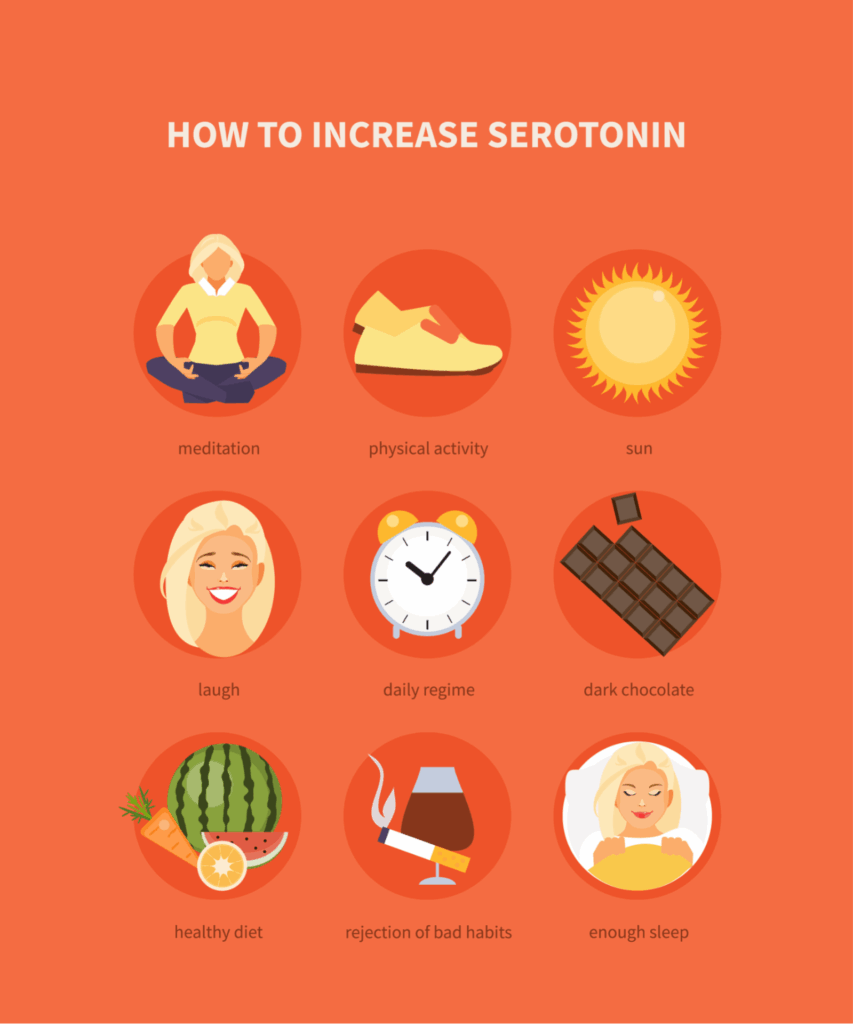
Serotonin, often referred to as the “happiness hormone,” plays a crucial role in regulating our mood, appetite, sleep patterns, and overall well-being. However, low levels of serotonin can lead to feelings of depression, anxiety, and fatigue.
What is Serotonin?
Also known as 5-hydroxytryptamine (5-HT), serotonin is a neurotransmitter produced in the brain and other parts of the body from the amino acid tryptophan. It serves multiple functions, including regulating mood, appetite, sleep patterns, and metabolism. With its complex role in various bodily processes, it’s challenging to define serotonin in simple terms.
However, let’s break down its key aspects:
- Neurotransmitter: Serotonin is a chemical messenger that transmits signals between neurons in the brain.
- Synthesis: The body produces serotonin from tryptophan through a multi-step process involving enzymes and other compounds.
- Functions: Serotonin influences mood, appetite, sleep patterns, metabolism, and other physiological processes.
Natural Sources of Serotonin
While supplements are available, it’s possible to increase serotonin levels by incorporating certain foods into your diet. These include:
- Dark Chocolate: Rich in flavonoids, which may boost serotonin production.
- Complex Carbohydrates: Foods like whole grains, fruits, and vegetables contain tryptophan, an amino acid converted into serotonin.
- Lean Protein: Include lean protein sources like chicken, fish, and tofu to support serotonin synthesis.
The Effects of Low Serotonin
Low levels of serotonin can manifest in various ways:
- Mood Disorders: Depression, anxiety, and irritability may result from inadequate serotonin levels.
- Sleep Disturbances: Insomnia or excessive sleepiness can be linked to low serotonin.
- Digestive Issues: Constipation, diarrhea, or stomach problems might occur due to serotonin’s role in gut function.
- Metabolic Changes: Low serotonin has been associated with weight gain, metabolic disorders, and reduced insulin sensitivity.
Prescription Medications for Serotonin Imbalance
Antidepressants like selective serotonin reuptake inhibitors (SSRIs) are commonly prescribed to treat low serotonin levels. These medications work by increasing the amount of serotonin available in the brain.
Natural Remedies for Serotonin Balance
While prescription medication may be necessary, natural remedies can complement treatment:
- 5-Hydroxytryptophan (5-HTP): An amino acid that supports serotonin production.
- GABA: A neurotransmitter involved in regulating sleep and relaxation.
- Omega-3 Fatty Acids: Essential fatty acids found in fish oil, which may support brain health.
Frequently Asked Questions
Here are some answers to common questions related to low serotonin:
- Can a healthy diet alone raise serotonin levels?
- A balanced diet rich in complex carbohydrates, lean protein, and dark chocolate can contribute to increased serotonin production.
- What are the symptoms of low serotonin?
- Depression, anxiety, insomnia, digestive issues, and weight gain or loss may be signs of inadequate serotonin levels.
- Can supplements harm my health?
- Consult a healthcare professional before taking any supplement to ensure safe usage.
- How long does it take for natural remedies to work?
- Individual results may vary; some people may notice effects within a few weeks, while others may require several months.
Serotonin and Mental Health
Low serotonin levels have been linked to various mental health conditions:
- Depression: Affects mood regulation, leading to feelings of sadness and hopelessness.
- Anxiety Disorders: Characterized by excessive worry, fear, or anxiety that interferes with daily life.
- Bipolar Disorder: Involves extreme mood swings between mania and depression.
The Impact of Stress on Serotonin
Stress can significantly affect serotonin levels:
- Chronic Stress: May lead to low serotonin levels, contributing to symptoms like depression and anxiety.
- Acute Stress: Can temporarily lower serotonin levels, leading to feelings of fatigue and irritability.
Understanding Low Serotonin in Different Ages
Serotonin imbalances can manifest differently at various stages of life:
- Children and Adolescents: May exhibit behavioral issues or emotional regulation problems due to low serotonin.
- Adults: Depression, anxiety, and insomnia are common symptoms of low serotonin levels in this age group.
Maintaining Healthy Serotonin Levels
To maintain optimal serotonin levels, consider the following strategies:
- Balanced Diet: Focus on whole foods, fruits, vegetables, lean proteins, and healthy fats.
- Regular Exercise: Physical activity can boost serotonin production and overall mood.
- Stress Management: Engage in stress-reducing activities like meditation or yoga to maintain healthy serotonin levels.
Conclusion
Low serotonin levels can have a significant impact on our mental and physical health. By understanding the role of serotonin, natural sources, and potential imbalances, you can take steps towards achieving balance and promoting optimal well-being. Consult with a healthcare professional before making any changes to your treatment plan or starting new supplements. With the right approach, you can overcome low serotonin levels and live a happier, healthier life.
References:
- National Institute of Mental Health (NIMH). (2022). Serotonin.
- Harvard Health Publishing. (2018). How to boost your serotonin levels naturally.
- Mayo Clinic. (2020). Low serotonin: Symptoms & causes.
- World Health Organization (WHO). (2019). Depression and other common mental disorders: global health estimates.
Disclaimer:
The information provided in this article is for educational purposes only and should not be considered as professional advice. Consult a healthcare professional before making any changes to your treatment plan or starting new supplements.


