
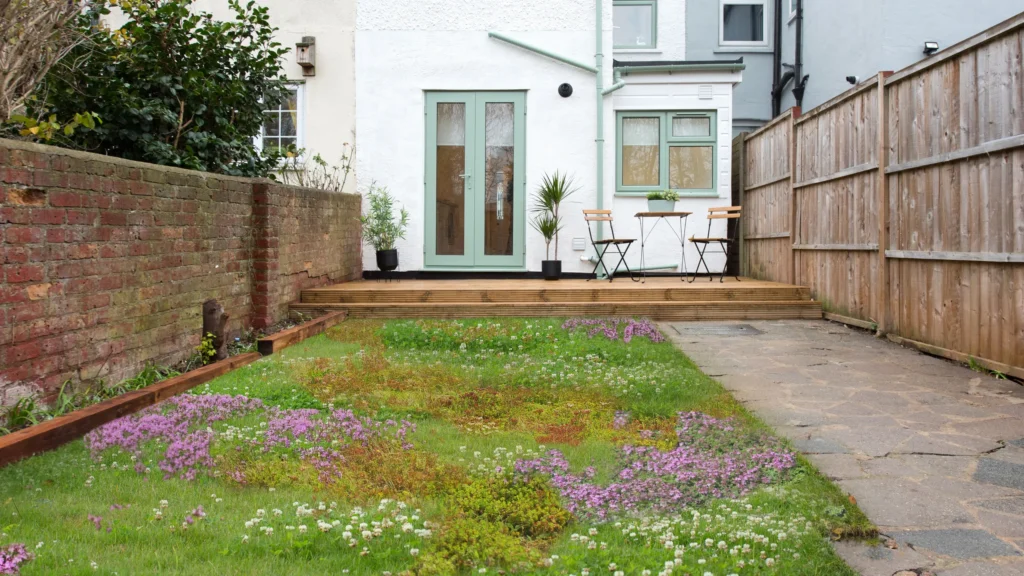
As a homeowner, you want your lawn to look its best without sacrificing too much time and effort. A low maintenance lawn is just what you need, but with so many options available, it can be overwhelming to choose the right grass seed. In this article, we’ll explore the key characteristics of a low maintenance lawn and help you select the perfect grass seed for your needs.
What Makes a Lawn Low Maintenance?
A low maintenance lawn requires minimal care and upkeep. It should be able to withstand drought, heavy foot traffic, and other stressors without needing frequent watering or mowing. Some common features of a low maintenance lawn include:
- A deep root system that allows it to absorb water deeply
- A dense growth habit that prevents weeds from taking hold
- A slow growth rate that reduces the need for frequent mowing
- Drought tolerance that makes it able to survive with minimal watering
Choosing the Right Grass Seed
When selecting a grass seed, look for products that are specifically labeled as “low maintenance” or “stress-tolerant.” Some popular options include:
- Festuca Arundinacea: This type of grass is known for its deep root system and ability to tolerate drought. It’s also relatively low growing, making it a great choice for lawns with heavy foot traffic.
- Poa Pratensis: This grass species is highly adaptable and can thrive in a variety of conditions, including full sun, partial shade, and wet soils. It’s also relatively slow-growing, reducing the need for frequent mowing.
- Lolium italicum: This type of grass is known for its drought tolerance and ability to survive with minimal watering. It’s also relatively low growing, making it a great choice for lawns with heavy foot traffic.
Mixing Your Own Blend
One option for creating a low maintenance lawn is to mix your own blend of grass seed. This can be done by combining different types of grass species that share similar characteristics. For example, a blend of Festuca Arundinacea and Poa Pratensis could provide the best of both worlds: drought tolerance and slow growth.
Preparing Your Lawn for Installation
Before installing your new lawn, make sure the soil is properly prepared. This includes:
- Loosening the soil to a depth of 8-10 inches
- Removing any debris or weeds
- Adding organic matter such as compost or manure
Rolling Out Your New Lawn
Once your lawn is installed, use a roller to flatten the soil and create an even surface. This will help prevent weeds from taking hold and ensure that your grass grows evenly.
Maintenance Tips
To keep your new lawn looking its best, follow these maintenance tips:
- Mow regularly to maintain a uniform height
- Water deeply but infrequently to encourage deep root growth
- Fertilize annually to promote healthy growth
By following these tips and choosing the right grass seed for your needs, you can create a beautiful and low maintenance lawn that will bring joy to your outdoor space.
Frequently Asked Questions
Here are some common questions people have about creating a low maintenance lawn:
- What is the best type of grass seed for a low maintenance lawn?
- The best type of grass seed for a low maintenance lawn depends on your specific needs and climate. However, Festuca Arundinacea, Poa Pratensis, and Lolium italicum are all popular options.
- How often should I mow my lawn?
- Regular mowing is necessary to maintain a uniform height and promote healthy growth. Aim to mow your lawn every 7-10 days during the growing season.
- What is the best way to prepare my soil for installation?
- Loosen the soil to a depth of 8-10 inches, remove any debris or weeds, and add organic matter such as compost or manure.
- How often should I water my lawn?
- Water your lawn deeply but infrequently to encourage deep root growth. Aim to water your lawn once or twice per week during the growing season.
Benefits of a Low Maintenance Lawn
A low maintenance lawn offers several benefits, including:
- Reduced watering and mowing time
- Less weed control and pest management
- Improved soil health through reduced tilling and fertilization
- Aesthetic appeal and increased property value
By following these tips and choosing the right grass seed for your needs, you can create a beautiful and low maintenance lawn that will bring joy to your outdoor space.
Creating a Low Maintenance Lawn in Different Climates
While some types of grass are better suited to specific climates, many options can thrive in various conditions. Here are some popular options for each climate:
- Cool Season Climates: Festuca Arundinacea and Poa Pratensis are great options for cool season climates.
- Warm Season Climates: Lolium italicum is a popular choice for warm season climates.
- Transition Zones: Mixes of Festuca Arundinacea, Poa Pratensis, and Lolium italicum can provide the best results in transition zones.
Conclusion
A low maintenance lawn is just what you need to enjoy your outdoor space without sacrificing too much time and effort. By choosing the right grass seed for your needs and following these tips, you can create a beautiful and low maintenance lawn that will bring joy to your life.


