
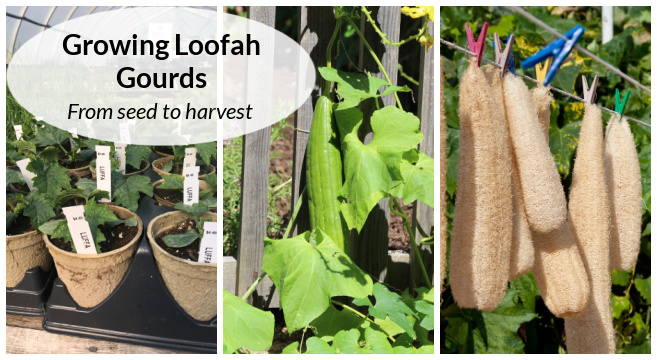
Have you ever used a luffa sponge in your daily life, whether it’s for washing up or as a natural exfoliator? But do you know that the luffa is actually a fruit? In this article, we’ll delve into the world of luffa cultivation, exploring how to grow this versatile and sustainable crop.
What is Luffa?
Before we dive into growing luffa, let’s first understand what it is. The term ‘luffa’ refers to two types of squash: the Luffa aegyptiaca and the Luffa acutangular or Luffa cyclindrica. Both species are vigorous annual vines with bright yellow flowers and belong to the Cucurbitaceae family, which also includes zucchini, cucumbers, and melons.
Growing Luffa: A Guide for Gardeners
Growing luffa requires a full sun, well-drained soil, and adequate moisture. The best time to plant luffa is in late winter or early spring, when the weather is cooler. In areas with mild winters, you can even start seedlings indoors 4-6 weeks before transplanting them outside.
Choosing the Right Variety
There are two main types of luffa: Luffa aegyptiaca and Luffa acutangular. The first type has long crests that run along its length, while the second type is smooth with shallow ridges. Both varieties can be grown interchangeably, but they have slightly different growth habits.
Tips for Growing Luffa
- Provide full sun (at least 6 hours of direct sunlight) and well-drained soil to promote healthy growth.
- Water regularly, but avoid overwatering, which can lead to fungal diseases.
- Mulch around the plants to retain moisture and suppress weeds.
- Train the vines to climb a trellis or other support structure to maximize space.
Raising Luffa in Containers
If you live in an area with frost, consider growing luffa in containers that can be moved indoors during winter. Start seedlings indoors 4-6 weeks before transplanting them outside when the weather warms up.
Harvesting Luffa for Spunges
Luffa is ready to harvest when the skin turns yellow or dark brown and starts to separate from the fibrous pulp inside. To encourage even ripening, leave the first few fruits on the vine until they reach full maturity. Once the fruits are ripe, carefully remove them from the vine and dry them in a warm, well-ventilated area.
Preparing Luffa for Spunges
Before using your dried luffa as a natural sponge, you’ll need to prepare it by removing the outer skin. If the skin is already cracked, you can simply peel it off. Otherwise, gently crush the fruit to create creases in the skin, then stretch and tear the skin apart with your fingers.
Tips for Preparing Luffa
- Handle the luffa carefully to avoid damaging the fibrous pulp inside.
- If the luffa is particularly dry or brittle, you may need to soak it in water for a few minutes before peeling off the skin.
Using Your Luffa Sponge
You can use your natural luffa sponge as an exfoliator, cleaning tool, or even as a filter medium. Simply rinse the sponge under running water and wring out excess moisture before using it.
Benefits of Using Luffa Sponges
Luffa sponges offer several benefits over traditional synthetic sponges. They are gentle on skin, eco-friendly, and can be reused multiple times with proper care. Additionally, luffa sponges have antibacterial properties that help to prevent the growth of bacteria and other microorganisms.
Care and Maintenance
To ensure your luffa sponge remains in good condition, follow these care tips:
- Rinse thoroughly after each use
- Wring out excess moisture
- Dry completely before storing
- Avoid exposure to extreme temperatures or direct sunlight
Common Problems with Luffa Sponges
Despite their many benefits, luffa sponges can be prone to certain problems. Here are some common issues and how to resolve them:
- Fading: If your luffa sponge is losing its color or texture, it may be due to excessive exposure to sunlight or water damage.
- Mold: Check for mold by looking for white or greenish patches on the surface of the sponge. If you notice any growth, discard the sponge and clean the area thoroughly before using a new one.
Using Luffa in Beauty Treatments
Luffa has been used for centuries as a natural exfoliant and skin cleanser due to its gentle yet effective properties. You can use your luffa sponge in various beauty treatments, including:
- Exfoliating scrubs
- Face masks
- Skin toning treatments
Precautions When Using Luffa
While luffa is generally considered safe for use on most skin types, there are some precautions to keep in mind:
- Avoid using luffa sponges on sensitive skin or broken skin.
- Be gentle when exfoliating with luffa to avoid irritating the skin.
- Use a gentle cleanser and lukewarm water when washing your hands after using a luffa sponge.
Growing Luffa for Commercial Purposes
If you’re looking to grow luffa commercially, there are some additional considerations to keep in mind:
- Research local regulations regarding commercial crop cultivation.
- Consider the costs associated with growing, harvesting, and processing luffa.
- Develop a plan for distributing and marketing your luffa product.
Conclusion
Growing luffa is a rewarding experience that requires careful attention to detail. By following these tips and guidelines, you’ll be well on your way to harvesting a successful crop of natural sponges. Whether you’re looking to use luffa for personal care or commercial purposes, this versatile plant has something to offer.
FAQs
- How long does it take for luffa to mature?
Luffa typically takes 150-200 days to mature, depending on weather conditions. - Can I grow luffa indoors?
Yes, you can start luffa seedlings indoors 4-6 weeks before transplanting them outside when the weather warms up. - How do I care for my luffa plants?
Provide full sun, well-drained soil, and regular watering to promote healthy growth. - Can I use luffa in beauty treatments?
Yes, luffa has been used for centuries as a natural exfoliant and skin cleanser due to its gentle yet effective properties. -
How often should I replace my luffa sponge?
It’s recommended to replace your luffa sponge every 3-4 weeks or sooner if it becomes too worn out. -
Can I grow multiple varieties of luffa together?
Yes, you can grow both Luffa aegyptiaca and Luffa acutangular together, but they may have slightly different growth habits. -
How do I store my dried luffa sponge?
Store your dried luffa sponge in an airtight container or bag to keep it fresh for longer. -
Can I use luffa as a natural fertilizer?
Yes, luffa is rich in nutrients and can be used as a natural fertilizer by burying the roots or adding the pulp to compost piles. -
Are there any pests that target luffa plants?
Some common pests that target luffa include aphids, whiteflies, and spider mites. - Can I grow luffa in cold climates?
Yes, you can grow luffa in cold climates by starting seedlings indoors 4-6 weeks before transplanting them outside when the weather warms up.
By following these tips and guidelines, you’ll be well on your way to growing a successful crop of natural sponges. Happy growing!


