
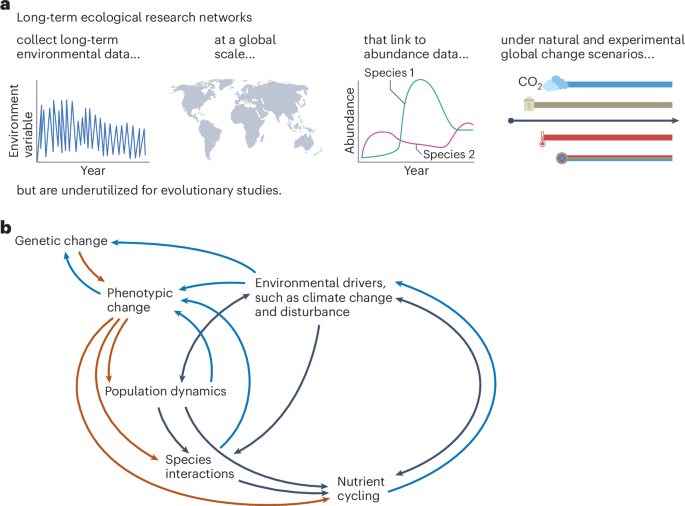
As the world grapples with the challenges of climate change, biodiversity loss, and environmental degradation, it’s essential to understand the importance of long-term ecological research. In this article, we’ll delve into the concept of long-term ecological research (LTER), its benefits, and why it’s crucial for addressing these pressing issues.
What is Long-Term Ecological Research?
Long-term ecological research involves analyzing phenomena and processes over an extended period, often spanning decades or even centuries. This approach allows scientists to observe trends and patterns that may emerge over time, providing valuable insights into the dynamics of ecosystems.
In contrast to traditional short-term studies, which typically last a few years, LTER initiatives enable researchers to collect data on complex ecological systems, including factors like climate change, species interactions, and ecosystem resilience. By examining these processes over long periods, scientists can better understand how ecosystems respond to environmental pressures and identify potential tipping points.
The Importance of Long-Term Ecological Research
So why is LTER so important? Here are some key reasons:
- Understanding Climate Change: LTER initiatives provide a critical framework for studying the impacts of climate change on ecosystems. By analyzing long-term data, researchers can better understand how climate variability affects species distributions, ecosystem processes, and overall biodiversity.
- Ecosystem Resilience: LTER helps scientists identify key factors that influence ecosystem resilience, enabling them to develop strategies for maintaining healthy ecosystems in the face of environmental challenges.
- Conservation Efforts: Long-term ecological research informs conservation efforts by providing insights into the dynamics of threatened or endangered species and their habitats.
A Global Network of LTER Sites
The success of LTER initiatives relies on a network of sites across different regions, each with its unique characteristics and research questions. In Italy, for example, there are currently 79 LTER sites, organized into 25 “macrosites” that cover various environments, including terrestrial ecosystems, freshwater habitats, and marine areas.
These sites are not only hubs for scientific research but also provide opportunities for collaboration and knowledge-sharing among researchers from different disciplines and institutions.
Key Benefits of LTER
So what are the benefits of long-term ecological research? Here are some key advantages:
- Improved Understanding: LTER initiatives enable scientists to gain a deeper understanding of complex ecological systems, including their dynamics, interactions, and responses to environmental pressures.
- Informed Decision-Making: By analyzing long-term data, researchers can provide policymakers and managers with critical information for making informed decisions about conservation efforts, resource management, and sustainability strategies.
- Enhanced Collaboration: The global network of LTER sites fosters collaboration among researchers from different disciplines and institutions, promoting the exchange of ideas and best practices.
Case Studies: Successful LTER Initiatives
Several successful LTER initiatives demonstrate the importance and benefits of this approach. For example:
- The US Long-Term Ecological Research Program: This program has been studying ecosystems in the United States for over three decades, providing critical insights into climate change impacts on biodiversity.
- The Canadian Rockies Ecosystem Assessment: This initiative has been monitoring ecosystem health and sustainability in the Canadian Rockies for over 20 years, informing conservation efforts and management strategies.
Challenges and Limitations
While LTER initiatives have many benefits, there are also challenges and limitations to consider. For example:
- Data Management: The long-term nature of LTER initiatives requires careful data management and storage, which can be resource-intensive.
- Funding: Securing funding for LTER initiatives can be challenging, particularly in the face of competing priorities and limited resources.
Conclusion
Long-term ecological research is a vital component of addressing environmental challenges, including climate change. By understanding the importance and benefits of LTER initiatives, we can better appreciate the value of investing in these programs. As we move forward, it’s essential to continue supporting LTER efforts, ensuring that our knowledge and expertise are used to inform decision-making and drive positive change.
Frequently Asked Questions (FAQs)
Here are some common questions about long-term ecological research:
- What is the primary goal of LTER initiatives?
- The primary goal of LTER initiatives is to understand complex ecological systems, including their dynamics, interactions, and responses to environmental pressures.
- How do LTER sites contribute to conservation efforts?
- LTER sites provide critical information for informing conservation efforts, including insights into the dynamics of threatened or endangered species and their habitats.
- What is the role of international collaboration in LTER initiatives?
- International collaboration among researchers from different disciplines and institutions promotes knowledge-sharing and best practices, enhancing the overall impact of LTER initiatives.
By working together to support long-term ecological research, we can better address environmental challenges and create a more sustainable future for all.
Future Directions: Emerging Trends in LTER
As LTER initiatives continue to evolve, several emerging trends are shaping the future of this approach. For example:
- Integration with Other Disciplines: LTER initiatives are increasingly being integrated with other disciplines, such as social sciences and economics, to provide a more comprehensive understanding of ecological systems.
- Development of New Technologies: The use of new technologies, such as drones and sensors, is enhancing the ability of researchers to monitor ecosystem health and sustainability in real-time.
By embracing these emerging trends, we can continue to advance our knowledge and understanding of complex ecological systems, ultimately contributing to a more sustainable future for all.



