
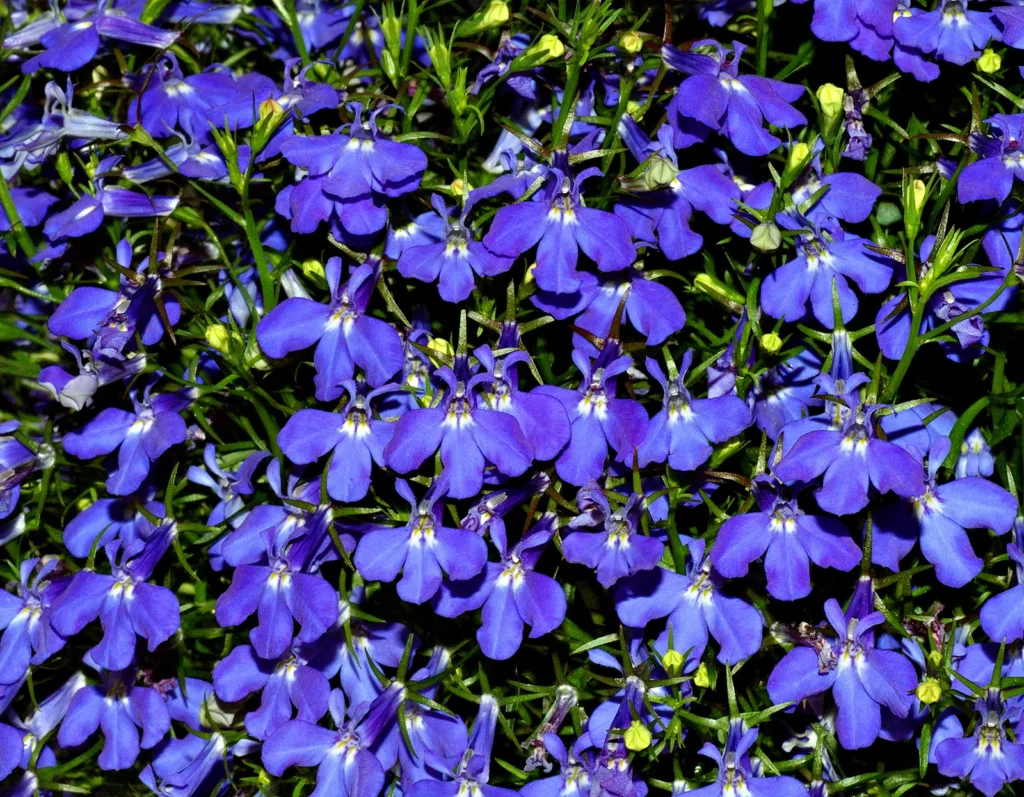
Lobelia, a flowering plant native to South Africa but introduced to Europe in 1752, has gained popularity for its rapid growth and vibrant flowers. But what makes Lobelia so special? In this article, we’ll delve into the world of Lobelia, exploring its various types, cultivation methods, properties, and uses.
What is Lobelia?
Lobelia erinus is a perennial plant that belongs to the Campanulaceae family. It’s known for its compact rosette of dark green leaves and showy, tubular flowers that come in a range of colors, including blue, purple, pink, white, and even red.
Types of Lobelia
There are several types of Lobelia, each with its unique characteristics:
- Lobelia perenne: A popular choice for gardens, this perennial is easy to care for and produces flowers in shades of blue and purple.
- Lobelia Cardinalis: This variety boasts a compact rosette of dark green leaves and produces bright red flowers with three petal-like structures (labia).
- Lobelia gigantea: A larger version of the plant, known for its resistance to extreme temperatures.
Cultivation
Lobelia is relatively easy to cultivate:
- Lighting: Prefers partial shade to full sun
- Temperature: Thrives in cooler temperatures between 60°F (15°C) and 70°F (21°C)
- Watering: Water regularly, but avoid overwatering
- Soil: Well-draining soil with a pH between 6.0 and 7.0
Properties
Lobelia has several unique properties that make it valuable for both medicinal and decorative purposes:
- Compact growth: Lobelia is an ideal choice for small gardens or containers, thanks to its compact growth habit.
- Easy care: This plant requires minimal maintenance, making it perfect for busy gardeners.
- Pest resistance: Lobelia is naturally resistant to pests and diseases.
Uses
Lobelia has a range of uses:
- Decorative purposes: Add a pop of color to your garden or balcony with Lobelia’s vibrant flowers.
- Medicinal properties: Some species of Lobelia have been used in traditional medicine for their antibacterial and anti-inflammatory properties.
- Ornamental purposes: Use Lobelia as a filler plant in arrangements, adding a delicate touch.
Frequently Asked Questions
Here are some frequently asked questions about Lobelia:
Q: What is the best time to plant Lobelia?
A: Spring or fall are ideal times to plant Lobelia, when temperatures are cooler and rainfall is more consistent.
Q: Can I grow Lobelia in containers?
A: Yes, Lobelia can thrive in containers, providing it with good drainage and adequate sunlight.
Q: How often should I water my Lobelia?
A: Water your Lobelia regularly, but avoid overwatering, which can lead to root rot.
Q: Is Lobelia toxic to pets or humans?
A: While Lobelia is non-toxic to humans, some species may cause skin irritation in pets. Handle with care.
Q: Can I propagate Lobelia through division?
A: Yes, divide your Lobelia plant in the spring or fall to create new plants.
Q: How often should I fertilize my Lobelia?
A: Feed your Lobelia plant regularly during the growing season (spring-fall) with a balanced fertilizer.
Q: Can I grow Lobelia indoors?
A: Yes, Lobelia can thrive in indoor containers with bright, indirect light and temperatures between 60°F (15°C) and 70°F (21°C).
Q: Is Lobelia suitable for poor soil conditions?
A: While Lobelia prefers well-draining soil, it can adapt to slightly poorer conditions. Add organic matter to improve soil quality.
Propagation Methods
Lobelia is a relatively easy plant to propagate:
- Division: Divide your Lobelia plant in the spring or fall to create new plants.
- Seeds: Sow Lobelia seeds indoors 8-10 weeks before the last frost date in your area.
- Stem cuttings: Take stem cuttings from your Lobelia plant and root them in a propagation tray.
Common Problems
Some common problems that can affect Lobelia include:
- Pests: Keep an eye out for pests like aphids, whiteflies, and spider mites.
- Diseases: Regularly inspect your Lobelia plants for signs of disease, such as yellowing leaves or black spots on the stems.
Tips for Growing Lobelia
Here are some tips for growing Lobelia:
- Provide support: Provide support for tall Lobelia varieties to prevent them from toppling over in the wind.
- Deadhead: Regularly deadhead your Lobelia plants to encourage more flowers and prevent seed production.
- Prune: Prune your Lobelia plant regularly to maintain its shape and promote healthy growth.
Conclusion
Lobelia is a versatile and adaptable plant that offers a range of benefits for both gardeners and users. With its compact growth habit, easy care requirements, and vibrant flowers, Lobelia is an excellent choice for those looking to add some color and interest to their outdoor spaces.


