
Introduction
The liver is a vital organ responsible for numerous functions in the human body, making it essential to monitor its health regularly. Liver function tests (LFTs) are a crucial diagnostic tool that helps doctors assess the liver’s condition and identify potential issues before they become severe. In this article, we will delve into the world of LFTs, exploring what they measure, how they work, and their importance in maintaining optimal liver health.
What Are Liver Function Tests (LFTs)?
Liver function tests are a series of blood tests that evaluate the liver’s ability to perform its various functions. These tests measure the levels of enzymes, proteins, and other substances produced by the liver, providing valuable insights into its condition. LFTs can help detect early signs of liver damage or disease, allowing for prompt treatment and prevention of complications.
Types of Liver Function Tests
There are several types of LFTs, each measuring a specific aspect of liver function. Some of the most common tests include:
- Transaminases: These enzymes, such as alanine aminotransferase (ALT) and aspartate aminotransferase (AST), are responsible for converting amino acids into other compounds. Elevated levels of these enzymes can indicate liver damage or disease.
- Fosfatasi alcalina (AlPh): This enzyme is found in various tissues, including bones and liver cells. Abnormal levels can suggest problems with the liver’s bile ducts or bone health.
- Gamma-glutamil transpeptidasi (GGT): Also known as gamma-GT, this enzyme is involved in the production of bile acids. Elevated levels can indicate liver damage or disease.
- Bilirubin: This compound is produced during the breakdown of red blood cells and can accumulate in the liver if it becomes damaged.
How Are Liver Function Tests Performed?
Liver function tests are performed by taking a blood sample from a vein in your arm. The sample is then sent to a laboratory where it is analyzed using specialized equipment. The results are usually reported as numerical values, which can be used to interpret the liver’s condition.
Interpreting Liver Function Test Results
When interpreting LFT results, it’s essential to consider the individual’s overall health and medical history. Doctors use a combination of factors, including:
- Range: The normal range for each test is established based on the population being tested.
- Abnormal values: Elevated or decreased levels can indicate liver damage or disease.
- Severity: The extent of the abnormal value can suggest the severity of the condition.
Common Abnormalities in Liver Function Test Results
Some common abnormalities in LFT results include:
- Elevated transaminases (ALT, AST): Can indicate liver damage or disease, such as hepatitis or cirrhosis.
- Abnormal fosfatasi alcalina (AlPh): May suggest problems with the liver’s bile ducts or bone health.
- Elevated gamma-glutamil transpeptidasi (GGT): Can indicate liver damage or disease, such as hepatitis or liver cancer.
Other Tests Used in Liver Function Evaluation
In addition to LFTs, doctors may use other tests to evaluate liver function, including:
- Imaging tests: Such as ultrasound, CT scans, and MRI scans, which can help visualize the liver’s structure and detect any abnormalities.
- Biopsy: A procedure where a small sample of tissue is removed from the liver for examination under a microscope.
- Liver enzyme panels: A series of tests that measure multiple enzymes involved in liver function.
Causes of Abnormal Liver Function Test Results
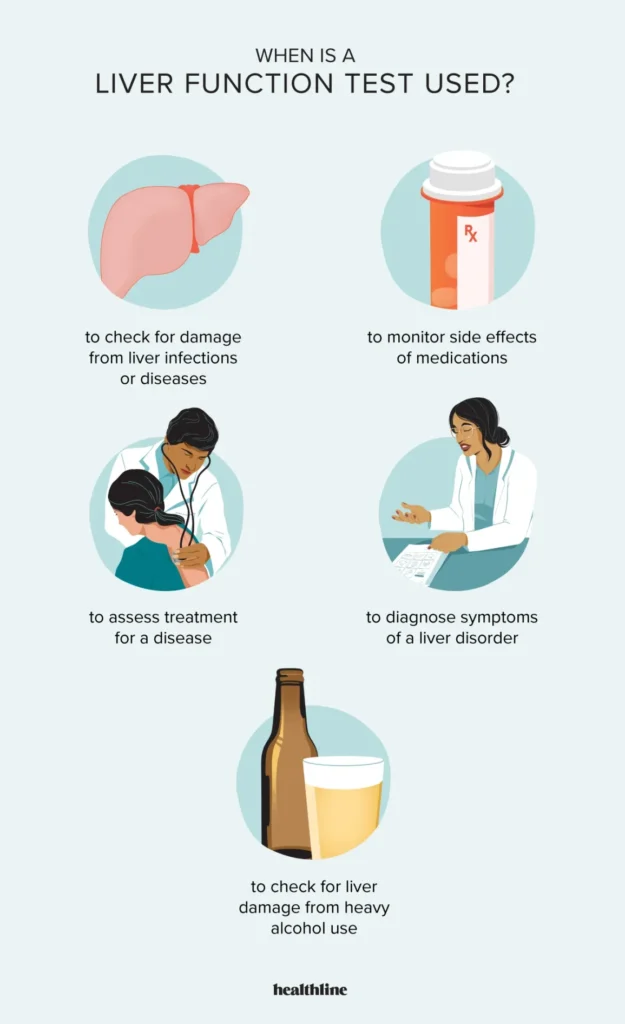
Abnormal LFT results can be caused by a variety of factors, including:
- Hepatitis: Inflammation of the liver due to viral or bacterial infection.
- Cirrhosis: Scarring of the liver tissue due to long-term damage from alcohol, hepatitis, or other causes.
- Liver cancer: Abnormal cell growth in the liver that can be caused by genetic mutations, viruses, or environmental factors.
- Medications: Certain medications, such as acetaminophen and statins, can cause liver damage when taken excessively.
Preventing Abnormal Liver Function Test Results
There are several ways to prevent abnormal LFT results, including:
- Maintaining a healthy lifestyle: Eating a balanced diet, exercising regularly, and avoiding excessive alcohol consumption can help support liver health.
- Getting regular check-ups: Regular health check-ups with your doctor can help detect any potential issues before they become severe.
- Avoiding environmental toxins: Exposure to certain toxins, such as pesticides and heavy metals, can damage the liver. Avoiding exposure to these substances can help reduce the risk of liver damage.
Conclusion
Liver function tests are a crucial diagnostic tool that helps doctors assess the liver’s condition and identify potential issues before they become severe. By understanding what LFTs measure, how they work, and their importance in maintaining optimal liver health, you can take steps to protect your liver and prevent complications.
Frequently Asked Questions (FAQs)
- What are the most common reasons for abnormal liver function test results?
Abnormal liver function test results can be caused by a variety of factors, including hepatitis, cirrhosis, liver cancer, and certain medications or toxins.
2. How often should I get my liver function tests done?
It’s recommended to have your liver function tests checked annually if you’re at risk for liver disease or if you have a family history of liver problems.
3. Can I self-diagnose based on my liver function test results?
No, it’s essential to consult with a doctor to interpret your LFT results and determine the best course of action.
4. What are the symptoms of abnormal liver function test results?
Symptoms can vary depending on the underlying condition, but may include fatigue, nausea, vomiting, abdominal pain, and jaundice (yellowing of the skin and eyes).
5. Can I prevent abnormal liver function test results by following a healthy lifestyle?
Yes, maintaining a healthy diet, exercising regularly, avoiding excessive alcohol consumption, and getting regular check-ups with your doctor can help prevent abnormal LFT results.
6. Are there any certain foods or substances that can affect my liver function tests?
Certain foods and substances, such as those high in sugar, salt, and unhealthy fats, can negatively impact liver health. It’s essential to maintain a balanced diet and avoid excessive consumption of these substances.
7. Can I take supplements to improve my liver function test results?
Some supplements, such as milk thistle, may help support liver health, but it’s essential to consult with your doctor before taking any new supplements.
8. How can I reduce my risk of developing abnormal liver function test results?
Reducing your risk factors, such as maintaining a healthy lifestyle, avoiding excessive alcohol consumption, and getting regular check-ups with your doctor, can help minimize the risk of developing abnormal LFT results.
Additional Resources
- National Institute of Diabetes and Digestive and Kidney Diseases (NIDDK). (2022). Liver Disease.
- American Association for the Study of Liver Diseases (AASLD). (2022). Liver Function Tests.
- Mayo Clinic. (2022). Liver function tests: What you need to know.
Note: The information provided in this article is for educational purposes only and should not be considered as medical advice. If you have concerns about your liver health, it’s essential to consult with a healthcare professional.


