
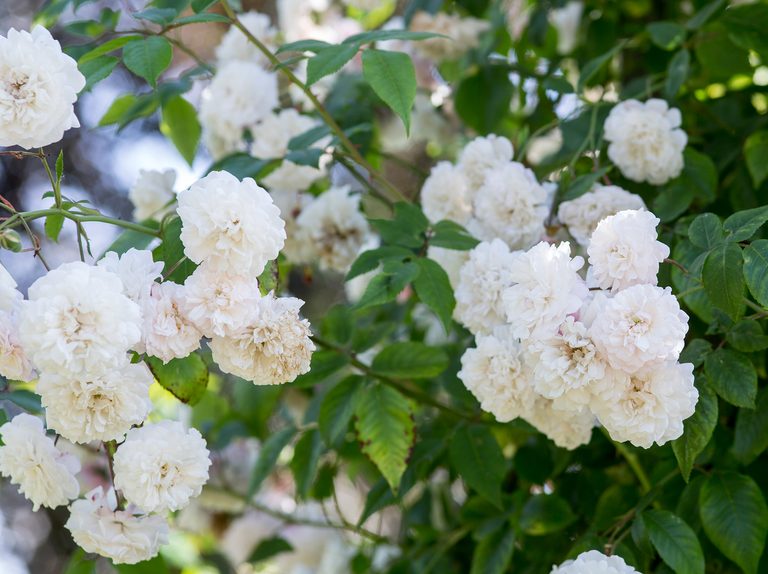
As a gardener, you’re likely familiar with roses – those majestic, fragrant flowers that adorn gardens worldwide. But have you ever heard of the white rosellina? This petite, delicate beauty is often overlooked, yet it boasts its own unique charm and symbolism. In this article, we’ll delve into the world of the white rosellina, exploring its description, advantages, cultivation, and more.
The Unique Charm of the White Rosellina
Unlike other roses, the white rosellina is a miniature marvel – small, yet packed with beauty. Its delicate form and intricate details make it a sought-after addition to any garden or arrangement. With proper care, this tiny rose can thrive in a variety of environments, making it an ideal choice for gardeners seeking a low-maintenance, high-reward plant.
One of the most striking features of the white rosellina is its unique shape and size. This rose typically grows to be around 12-18 inches tall and wide, with delicate, cup-shaped flowers that bloom in clusters. The petals are thin and velvety, with a soft, powdery texture that gives them an ethereal appearance.
Advantages of the White Rosellina
So why should you choose the white rosellina? Here are just a few advantages that make it a standout among other roses:
- Space-saving: The white rosellina is perfect for small gardens or containers. Its compact size makes it an ideal choice for those with limited space.
- Versatile: This rose can be trained to climb up walls, trellises, or even used as a shrub-like plant to fill in gaps between other flowers and shrubs.
- Easy to care for: The white rosellina requires minimal maintenance, making it an excellent choice for busy gardeners.
Cultivating the White Rosellina
To ensure the white rosellina thrives, you’ll need to provide it with the right conditions. Here are some tips for cultivating this delicate beauty:
- Climate: The white rosellina prefers a mild climate with temperatures between 15°C and 35°C (59°F and 95°F). Avoid exposing it to extreme temperatures or frost.
- Lighting: This rose loves full sun, but it’s also sensitive to strong winds. Provide it with partial shade if necessary.
- Soil: The white rosellina prefers well-draining soil that’s rich in organic matter. Mix in compost or manure to create a nutrient-rich environment.
Color Variations of the White Rosellina
While the white rosellina is often associated with its pure, snowy hue, it also comes in a range of other colors – including pink, red, yellow, and even purple! Here are some popular varieties:
- Roselline Cinderella: This rose features delicate, double-petaled flowers that bloom from spring to autumn. It prefers full sun and well-draining soil.
- Roselline Baby Gold Star: With its bright, sunny blooms, this rose is perfect for adding a pop of color to your garden or container.
- Roselline Baby Masquerade: This rose boasts delicate, fragrant flowers that bloom from late spring to early winter. It prefers partial shade and well-draining soil.
Care and Maintenance
To keep your white rosellina looking its best, here are some additional tips:
- Watering: Water your white rosellina when the top inch of soil feels dry to the touch. Avoid overwatering, as this can lead to root rot.
- Fertilizing: Feed your white rosellina with a balanced fertilizer in the spring and summer months.
- Pruning: Prune your white rosellina after it finishes blooming to encourage new growth and prevent overcrowding. Use clean, sharp tools to avoid spreading disease.
Common Problems
While the white rosellina is generally a hardy plant, there are some common problems that can arise:
- Pests: Keep an eye out for pests like aphids, whiteflies, and spider mites.
- Diseases: Be on the lookout for diseases like black spot, powdery mildew, and rust.
- Environmental stress: Protect your white rosellina from extreme temperatures, wind, and drought.
By following these tips and exploring the unique world of the white rosellina, you can create a stunning and memorable garden or arrangement that’s sure to delight.


