
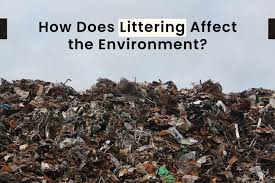
The Problem of Littering: Significance and Consequences
Littering, the act of disposing of waste in public areas without regard for its consequences, is a widespread problem that affects not only the environment but also our quality of life. This practice, which involves throwing away trash in streets, plazas, parks, or public transportation without any consideration for its impact, can have devastating effects on our community.
What is Littering?
Littering refers to the careless disposal of waste in public areas, including streets, plazas, parks, and public transportation. This behavior is not only a violation of environmental regulations but also a reflection of our lack of respect for the places we inhabit. Throwing away trash without proper disposal can lead to various problems, such as pollution, health risks, and economic costs.
The Consequences of Littering
Littering has significant consequences on our environment, economy, and quality of life. The effects of littering are far-reaching and can have long-term impacts on our community. For instance:
- Littering contributes to air and water pollution, which can harm human health and the environment.
- It increases the cost of waste management, as communities spend more money on cleaning up littered areas.
- Littering can also affect tourism, as visitors may avoid areas with high levels of litter.
Littering in Italy
Italy is not immune to this problem. Many towns and cities struggle with littering, which can have negative impacts on their quality of life. For example:
- In some areas, littering has become a significant problem due to lack of waste management infrastructure.
- The Italian government has implemented various measures to address littering, such as increasing fines for litterers and introducing new waste management systems.
Raising Awareness
To combat littering, it’s essential to raise awareness about its consequences and promote good habits. One way to do this is by:
- Organizing community clean-up events to show the impact of littering.
- Educating children and adults about the importance of proper waste disposal.
- Implementing policies and regulations that encourage responsible waste management.
Solutions to Littering
While there is no single solution to address littering, a combination of efforts can help mitigate its effects. Some strategies include:
- Increasing education and awareness campaigns to promote good habits.
- Improving waste management infrastructure and services.
- Implementing policies and regulations that encourage responsible waste disposal.
Effective Strategies for Addressing Littering at the Policy Level
There are several effective strategies for addressing littering at the policy level. These include:
- Increasing fines for litterers to deter them from engaging in this behavior.
- Improving waste management services, such as increasing the number of recycling centers and implementing a more efficient waste collection system.
- Introducing education programs that teach children and adults about the importance of proper waste disposal.
Education Programs
Education programs can play an essential role in addressing littering. These programs should focus on raising awareness about the consequences of littering, promoting good habits among children and adults, and providing resources for individuals to dispose of trash properly. Some effective strategies for education programs include:
- Organizing community events that promote proper waste disposal.
- Developing educational materials that teach children and adults about the importance of recycling and reducing waste.
- Providing incentives for individuals who participate in clean-up events or implement sustainable practices.
Technology’s Role in Addressing Littering
Technology can be a valuable tool in addressing littering. For example:
- Mobile apps can track littering incidents and provide data to policymakers.
- Social media campaigns can raise awareness about the consequences of littering and promote good habits.
- Online platforms can provide resources and information for individuals who want to reduce their waste output.
The Impact of Littering on Tourism
Littering can have a significant impact on tourism. Areas with high levels of litter may become uninviting and unhealthy, deterring visitors from exploring these destinations. This can lead to economic losses for local businesses and communities.
Social Norms and Littering
Social norms play an essential role in addressing littering. By promoting good habits and encouraging others to follow suit, we can create a culture of responsible waste disposal. Some effective strategies for promoting social norms include:
- Organizing community clean-up events to show the impact of littering.
- Educating children and adults about the importance of proper waste disposal.
- Implementing policies and regulations that encourage responsible waste management.
Conclusion
Littering is a complex problem that affects our environment, economy, and quality of life. By understanding the significance and consequences of littering, we can work together to find solutions. It’s time for us to take responsibility for our actions and make a change.
By combining education, policy changes, technology, and social norms, we can create a cleaner and healthier community. We owe it to ourselves, our children, and future generations to address this problem and create a better world.
Frequently Asked Questions (FAQs)
Q: What are some common causes of littering?
A: Some common causes of littering include lack of education about proper waste disposal, inadequate waste management infrastructure, and socioeconomic factors.
Q: How can individuals contribute to reducing littering?
A: Individuals can contribute to reducing littering by properly disposing of trash, participating in community clean-up events, and promoting good habits among others.
Q: What are some effective strategies for addressing littering at the policy level?
A: Some effective strategies for addressing littering at the policy level include increasing fines for litterers, improving waste management services, and introducing education programs.
Q: Can littering be prevented completely?
A: While it may not be possible to eliminate littering entirely, we can work towards reducing its effects by promoting good habits, improving waste management infrastructure, and implementing policies that encourage responsible waste disposal.
Q: How does littering affect tourism?
A: Littering can negatively impact tourism by making areas appear uninviting and unhealthy.
Q: What role do social norms play in addressing littering?
A: Social norms can play a significant role in addressing littering. By promoting good habits and encouraging others to follow suit, we can create a culture of responsible waste disposal.
Q: Can technology help address littering?
A: Yes, technology can be used to help address littering. For example, mobile apps can track littering incidents and provide data to policymakers.
Q: How can education programs contribute to addressing littering?
A: Education programs can contribute to addressing littering by raising awareness about the consequences of littering, promoting good habits among children and adults, and providing resources for individuals to dispose of trash properly.


