
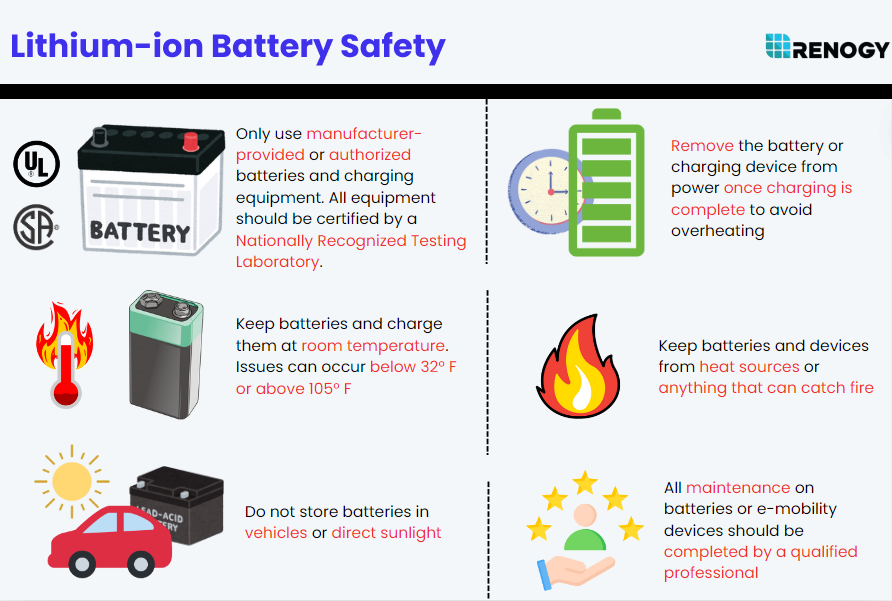
The Lithium-Ion Battery: Efficiency and Safety Concerns
As we continue to rely on portable electronic devices, the demand for efficient and reliable batteries has never been greater. One type of battery that has gained significant attention in recent years is the lithium-ion (Li-ion) battery. While it offers a high energy density, there are concerns about its safety and potential risks.
What are Lithium-Ion Batteries?
Lithium-ion batteries are widely used in consumer electronics, such as smartphones, laptops, and tablets. They have a high energy density, which means they can store a large amount of energy relative to their size. In fact, the current Li-ion batteries have a density of 200 Wh/kg, making them an ideal choice for portable devices.
New Technologies: Lithium-Air Batteries
However, researchers are working on developing new technologies that could further improve the efficiency and safety of Li-ion batteries. One such technology is the lithium-air battery, which has a theoretical maximum density of 3450 Wh/kg. This means that future Li-ion batteries could potentially store more energy than ever before.
Safety Concerns: The Risks of Overheating
One of the major concerns with Li-ion batteries is their tendency to overheat. When a battery is subjected to high temperatures, it can cause a chemical reaction that leads to an explosion or fire. This has resulted in numerous recalls and safety issues in the past.
Why Do Li-Ion Batteries Heat Up?
So, why do Li-ion batteries heat up in the first place? The answer lies in the chemistry of the battery itself. When a Li-ion battery is charged, it can experience a phenomenon called “overcharging.” This occurs when the battery is subjected to a voltage that is higher than its rated capacity.
Solutions to Mitigate Safety Risks
To mitigate these safety risks, manufacturers have developed various systems to regulate temperature and prevent overheating. These include:
- Thermal management systems: designed to dissipate heat away from the battery
- Overcharge protection: prevents the battery from being charged beyond its rated capacity
- Thermal monitoring: detects abnormal temperatures and alerts users
The Purdue University Solution
Recently, researchers at Purdue University developed a new system that can identify defects in Li-ion batteries during production. This technology uses advanced diagnostic tools to detect issues with the battery’s internal structure, which can affect its performance and safety.
How Do Li-Ion Batteries Fail?
So, what causes Li-ion batteries to fail? There are several factors at play, including:
- Thermal stress: high temperatures can cause damage to the battery’s internal components
- Electrochemical degradation: overcharging or deep discharging can lead to a reduction in the battery’s capacity
- Physical stress: mechanical stress or vibration can also contribute to battery failure
The Future of Lithium-Ion Batteries
As we look to the future, it’s clear that Li-ion batteries will continue to play a crucial role in powering our devices. However, addressing the safety concerns and efficiency challenges facing these batteries will be essential.
How Long Do Li-Ion Batteries Last?
One question on everyone’s mind is: how long do Li-ion batteries last? The answer depends on various factors, including usage patterns, environmental conditions, and battery quality.
- Average lifespan: most Li-ion batteries can last for around 300-500 charge cycles before their capacity starts to degrade
- Factors affecting lifespan: temperature, charging habits, and storage conditions all impact the battery’s lifespan
Conclusion
In conclusion, while Lithium-Ion batteries offer many benefits, they also come with some significant challenges. Addressing safety concerns and improving efficiency will be crucial as we move forward.
Frequently Asked Questions (FAQs)
- What is a lithium-ion battery?
- A type of rechargeable battery that uses lithium ions to store energy.
- How do Li-ion batteries heat up?
- Overcharging or exposure to high temperatures can cause a chemical reaction that leads to overheating.
- Can I improve the lifespan of my Li-ion battery?
- Proper storage, charging habits, and environmental conditions can help extend the life of your battery.
- What are lithium-air batteries?
- A new technology that aims to further increase the energy density of Li-ion batteries.
- Why are Li-ion batteries prone to overheating?
- The chemistry of the battery itself, as well as usage patterns and environmental conditions, can contribute to overheating.
Additional Resources
- Purdue University Research: Learn more about the research conducted by Purdue University on developing safer and more efficient Li-ion batteries.
- Industry Reports: Stay up-to-date with industry trends and developments in the field of Li-ion battery technology.



