
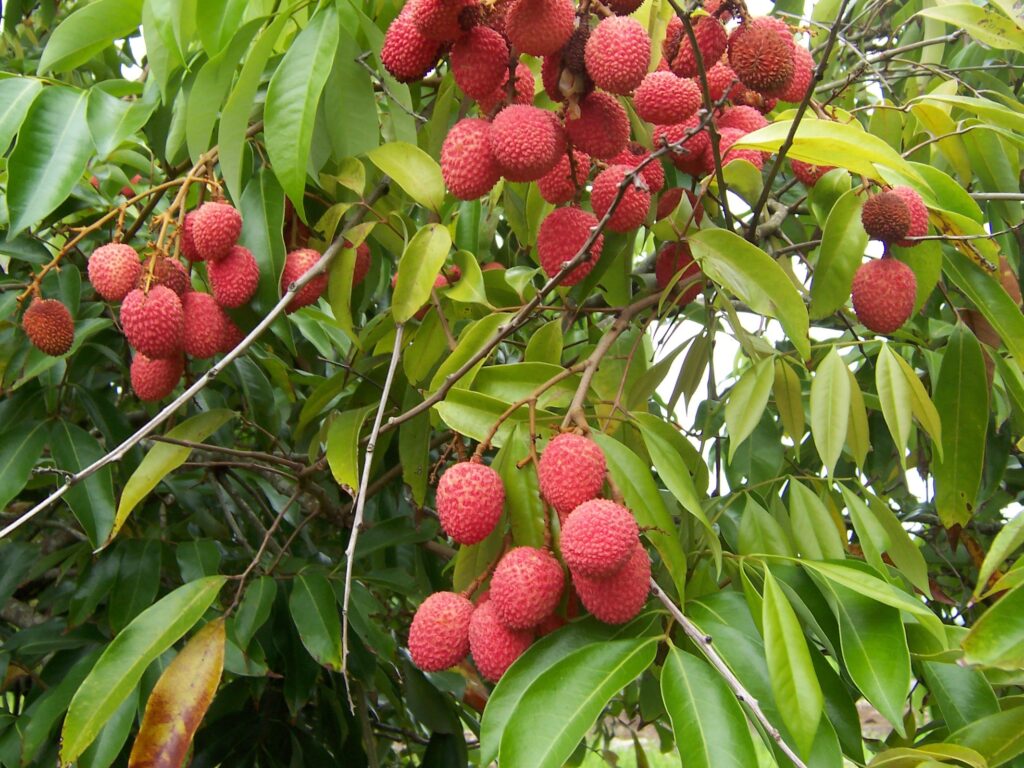
Introduction to the Litchi Fruit
The litchi fruit, also known as the Chinese gooseberry, is a lesser-known fruit that has gained popularity in recent years. Native to China and India, this exotic fruit has been enjoyed for centuries, not only for its unique flavor but also for its numerous health benefits. In this article, we will delve into the world of litchi, exploring its characteristics, nutritional value, and uses.
Litchi Plant
The litchi plant is a member of the Sapindaceae family and can grow up to 10 meters tall. It has long, green leaves that are always present, and produces clusters of fruit towards the end of autumn. There are over 40 varieties of litchi, which can be distinguished by their colors, both on the skin and inside.
Sowing Litchi Seeds
Sowing litchi seeds is a labor-intensive process that requires patience. It may take up to 10 years for the first fruit to ripen, and even then, the quality may not be optimal. One way to speed up the process is through grafting, also known as the “innesto” technique. This involves joining two litchi plants together, allowing them to share nutrients and grow faster.
Harvesting Litchi
Litchis should only be eaten when fully ripe, as they become gelatinous and tasteless if not picked at the right time. If not harvested properly, the fruit will not continue to ripen on the tree. The optimal time to harvest litchis is when the skin turns from green to red or pink.
Consuming Litchi
Litchis can be eaten fresh, used in salads, made into a sorbet, or blended into cocktails. They are also suitable for those with diabetes, as they have a low glycemic index and do not cause a sudden spike in blood sugar levels. However, consuming large quantities of litchis may lead to an increase in blood pressure due to their high potassium content.
The Taste and Texture of Litchi
Imagine biting into a sweet, juicy cherry, but with a slightly acidic taste. This is what it’s like to experience the flavor of litchis. The texture is soft and succulent, making them a delight to eat fresh or use in various recipes.
Historical Significance of Litchi
Litchis have been enjoyed for centuries, particularly in China and India. In ancient times, they were even used as a form of currency by Chinese emperors. Today, litchis are valued not only for their unique flavor but also for their numerous health benefits.
Nutritional Breakdown of Litchi
Litchis are rich in various nutrients, including water (82%), proteins (0.8%), fiber (1.3%), sugars (15.2%), and minerals like potassium, magnesium, iron, zinc, manganese, and selenium. They also contain vitamins B1, B2, B3, B6, C, E, K, and J.
Health Benefits of Litchi
Litchis are packed with antioxidants and antitumor properties, making them an excellent addition to a healthy diet. The vitamin B3 in litchis helps purify the blood and prevent atherosclerosis, while potassium and magnesium contribute to heart health. The high fiber content in litchis promotes digestive health and prevents constipation.
Precautions and Side Effects
While litchis are generally considered safe to eat, there are some precautions to be aware of. People with kidney disease or liver problems should consume litchis in moderation, as they may exacerbate existing conditions. Additionally, eating large quantities of litchis can lead to an imbalance of potassium levels in the body.
Culinary Uses of Litchi
Litchis are a versatile fruit that can be used in various culinary creations. They can be eaten fresh, used in salads, made into jams and preserves, or blended into smoothies and desserts. Here are some popular ways to use litchis:
- Litchi Sorbet: Blend litchis with sugar and water to create a refreshing sorbet.
- Litchi Salad: Combine diced litchis with mixed greens, nuts, and cheese for a healthy salad.
- Litchi Juice: Blend litchis with other fruits to create a delicious juice.
- Litchi Jam: Cook down litchis with sugar and pectin to create a sweet jam.
Growing Litchi at Home
If you’re interested in growing your own litchi tree, here are some tips:
- Choose a variety that is suitable for your climate and region.
- Plant the seedling in well-draining soil and full sun.
- Water regularly and fertilize with a balanced fertilizer.
- Prune the tree annually to maintain its shape and promote fruiting.
Conclusion
In conclusion, the litchi fruit is a unique and nutritious addition to any diet. Its delicate flavor and numerous health benefits make it an excellent choice for those looking to explore new culinary experiences while prioritizing their well-being. Whether eaten fresh or used in various recipes, litchis are sure to delight your senses and nourish your body.
FAQs
- What is the best way to store litchi?
Litchis should be stored at room temperature until they are fully ripe. Once ripe, they can be refrigerated for up to a week. - Can I grow my own litchi tree?
Yes, you can grow your own litchi tree by sowing seeds or using the grafting technique. - How do I know if my litchi is ripe?
Litchis are ready to eat when they turn from green to red or pink and have a slightly soft texture. - Can I eat litchi seeds?
No, it’s not recommended to eat litchi seeds as they may contain toxic compounds. - Are litchis suitable for people with diabetes?
Yes, litchis are low in sugar and do not cause a sudden spike in blood sugar levels, making them a good choice for those with diabetes.
Follow us on social media for more articles and recipes!
Twitter: @MartasBlog
Facebook: @MartasBlog
Google+: @MartasBlog
Pinterest: @MartasBlog


