
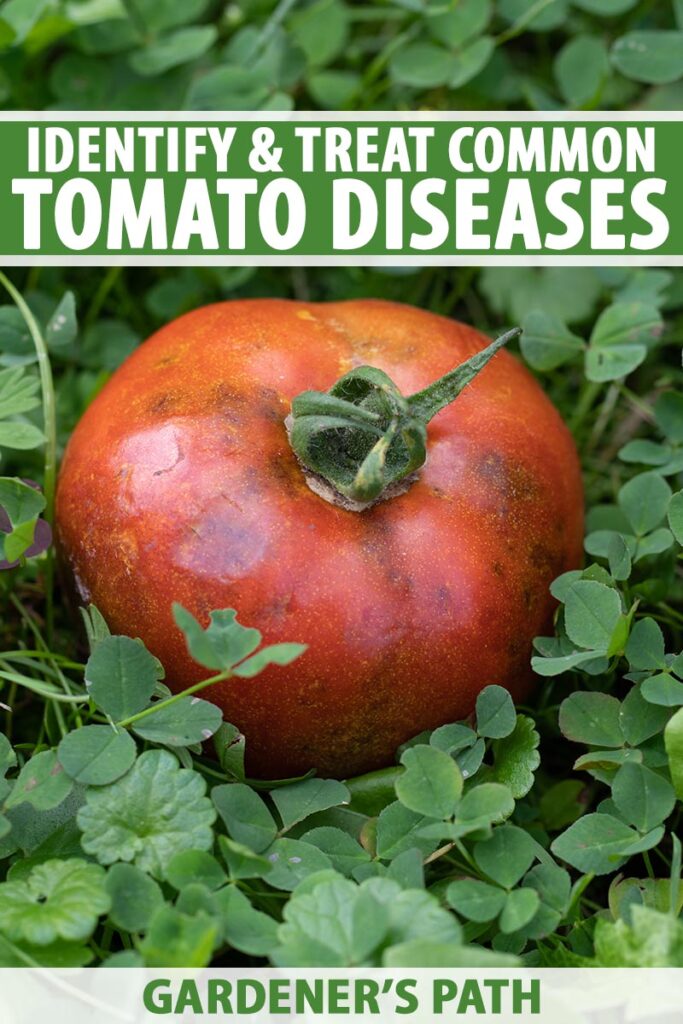
As a gardener or farmer, there’s nothing quite like the satisfaction of growing your own delicious tomatoes. However, when it comes to these beloved fruits (yes, they’re technically a fruit!), they can be notoriously finicky and prone to disease. In this article, we’ll delve into the various types of diseases that can affect tomatoes, their causes, symptoms, and most importantly, how to prevent and treat them.
Common Tomato Diseases
Tomatoes are susceptible to a wide range of diseases, including fungal infections, bacterial infections, pests, and more. Here are some common ones to look out for:
- Fungal Infections
- Powdery mildew (Erysiphe necator)
- Septoria leaf spot (Septoria lycopersici)
- Early blight (Alternaria solani)
- Late blight (Phytophthora infestans)
- Anthracnose (Colletotrichum spp.)
- Bacterial Infections
- Bacterial spot (Xanthomonas campestris)
- Bacterial canker (Pseudomonas syringae)
- Fire blight (Erwinia amylovora)
- Pests
- Hornworms
- Aphids
- Whiteflies
- Cutworms
Causes of Tomato Diseases
So, what causes these diseases to take hold? Here are some common factors:
- Inadequate Soil Care: Poor soil structure, pH imbalance, and nutrient deficiencies can weaken plants and make them more susceptible to disease.
- Water Stress: Both overwatering and underwatering can lead to stress in plants, which can open the door for diseases.
- Lack of Air Circulation: Good air circulation is essential for preventing fungal diseases. Make sure to provide enough space between plants for proper airflow.
- Contaminated Seeds or Soil: If your seeds or soil are contaminated with pathogens or pests, you may inadvertently introduce them into your garden.
- Poor Pruning Practices: Improper pruning can lead to a weakened plant structure, making it more susceptible to disease.
- Overuse of Chemical Fertilizers: Chemical fertilizers can damage the beneficial microorganisms in the soil, leading to an imbalance that makes plants more vulnerable to disease.
Symptoms of Tomato Diseases
When it comes to identifying tomato diseases, there are some key symptoms to look out for:
- Leaf Spotting: Small, circular lesions on the leaves.
- Yellowing Leaves: Leaves that turn yellow or develop brown tips.
- Black or White Fungus: Visible fungus growth on the plant.
- Bacterial Spots: Small, dark spots on the leaves or fruit.
- Hornworms: Large, white stripes and a distinctive horn-like protrusion on the rear of the worm.
- Aphid Infestations: Small, soft-bodied insects that feed on plant sap.
Preventing and Treating Tomato Diseases
Now that we’ve covered some of the most common tomato diseases, let’s talk about how to prevent and treat them:
- Crop Rotation: Rotate your crops regularly to break disease cycles.
- Soil Testing: Test your soil regularly to ensure it’s balanced and free of pathogens.
- Pruning: Prune infected plants to prevent the spread of disease.
- Biological Controls: Use natural predators or parasites to control pests.
- Organic Pesticides: Use organic pesticides as a last resort.
- Sanitation: Dispose of infected plants and clean your tools regularly.
Some popular organic pesticides include:
- Piretro: A natural insecticide that can also control fungal diseases.
- Neem Oil: A natural pesticide derived from the seeds of the neem tree.
- Diatomaceous Earth: A powder made from fossilized algae that dehydrates pests.
- Compost Tea: A liquid solution made by steeping compost in water, which contains beneficial microorganisms that can help fight disease.
Conventional Pesticide Use
While organic pesticides are a better option for many gardeners, there may be situations where conventional pesticides are necessary. Here are some tips to minimize the impact of conventional pesticide use:
- Choose Integrated Pest Management (IPM) Strategies: IPM involves combining physical, cultural, biological, and chemical controls to manage pests.
- Select Conventional Pesticides Wisely: Choose pesticides that target specific pests and diseases, rather than broad-spectrum pesticides that can harm beneficial insects.
- Follow Label Instructions: Always follow the label instructions for pesticide application, including timing, rate, and coverage area.
Disease Management in Greenhouses
Greenhouses offer a unique environment where disease management is particularly challenging. Here are some tips to help manage diseases in greenhouses:
- Maintain High Humidity Levels: Greenhouse conditions can be humid, which creates an ideal environment for fungal growth.
- Use Ventilation Systems: Proper ventilation systems can help regulate temperature and humidity levels, reducing the risk of disease.
- Prune Plants Regularly: Prune plants regularly to maintain air circulation and prevent fungal diseases.
- Monitor Temperature: Keep an eye on temperature levels in the greenhouse, as sudden changes can trigger disease outbreaks.
Disease Management in Outdoor Gardens
Outdoor gardens present a different set of challenges when it comes to managing tomato diseases. Here are some tips:
- Create a Barrier Around Plants: Use row covers or fine mesh to create a barrier around plants and prevent pests from reaching them.
- Use Companion Planting: Certain plants, such as basil and mint, can repel pests that spread disease.
- Maintain Good Soil Health: Healthy soil is essential for healthy plants, which are better equipped to resist disease.
Conclusion
Growing healthy, disease-free tomatoes requires a combination of good gardening practices, proper care, and regular monitoring. By understanding the common tomato diseases, their causes, symptoms, and treatments, you’ll be better equipped to protect your plants and enjoy a bountiful harvest.
Frequently Asked Questions
- Q: How do I prevent fungal diseases in tomatoes?
A: Prevent fungal diseases by providing good air circulation, watering wisely, and using organic pesticides. - Q: What is the best way to treat bacterial spot on tomato plants?
A: Treat bacterial spot with a fungicide or biological controls like beneficial nematodes. - Q: How do I identify hornworms on my tomato plants?
A: Identify hornworms by looking for their distinctive white stripes and large, leaf-eating habits. - Q: Can I use chemical pesticides to treat fungal diseases?
A: Chemical pesticides can harm beneficial insects and contaminate soil and water; opt for organic alternatives instead. - Q: How often should I inspect my tomato plants for disease?
A: Inspect your tomato plants regularly, ideally every 7-10 days during peak growing season.
By following these tips and staying informed about common tomato diseases, you’ll be well on your way to growing delicious, healthy tomatoes all season long!


