
Introduction
Essential oils have been used for centuries for their medicinal, therapeutic, and spiritual properties. These highly concentrated plant extracts can be used in a variety of ways, from aromatherapy to cooking, and even as natural remedies for various health issues. In this article, we will delve into the world of essential oils, exploring their benefits, uses, and production methods.
What are Essential Oils?
Essential oils are highly concentrated plant extracts that contain the essence of a plant’s fragrance, flavor, or other properties. They can be obtained through various methods, including distillation, expression, and solvent extraction. These oils are rich in bioactive compounds, such as terpenes, esters, and aldehydes, which are responsible for their therapeutic effects.
Benefits of Essential Oils
Essential oils offer a wide range of benefits, including:
- Relaxation and stress relief: Many essential oils, such as lavender and chamomile, have a calming effect on the mind and body.
- Pain relief: Certain essential oils, like peppermint and eucalyptus, can help alleviate pain and inflammation.
- Immune system support: Some essential oils, like tea tree oil, have antimicrobial properties that can help boost the immune system.
- Skin health: Essential oils like geranium and rose can help improve skin conditions, such as acne and eczema.
- Mental clarity and focus: Certain essential oils, like peppermint and basil, can help improve mental clarity and concentration.
- Respiratory health: Essential oils like eucalyptus and menthol can help ease respiratory issues, such as congestion and coughs.
Uses of Essential Oils
Essential oils can be used in various ways, including:
- Aromatherapy: Inhaling essential oils can promote relaxation, reduce stress, and improve mood.
- Natural remedies: Essential oils can be used to treat various health issues, such as colds, flu, and digestive problems.
- Skincare: Essential oils can be added to skincare products to promote healthy skin and reduce inflammation.
- Cooking: Some essential oils, like lemon and orange, can be used as flavorings in cooking.
- Cleaning: Certain essential oils, like tea tree oil, have antimicrobial properties that can help clean surfaces and eliminate bacteria.
Popular Essential Oils
Some popular essential oils include:
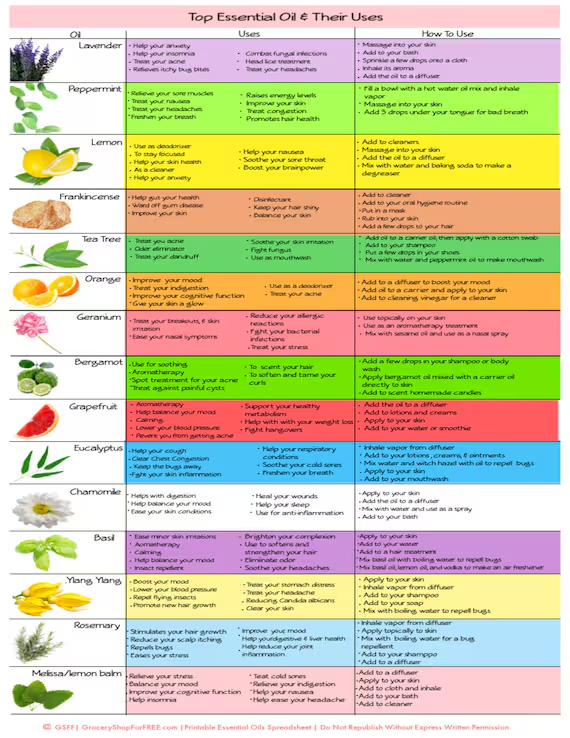
- Lavender oil: Known for its calming effects and ability to promote relaxation.
- Peppermint oil: Can help alleviate pain and inflammation, and is also a natural breath freshener.
- Tea tree oil: Has antimicrobial properties that can help boost the immune system and treat skin conditions.
- Geranium oil: Can help balance hormones and improve skin health.
- Frankincense oil: Has anti-inflammatory properties that can help reduce pain and inflammation.
How to Use Essential Oils
When using essential oils, it’s essential to follow some basic guidelines:
- Always dilute essential oils in a carrier oil before applying them to the skin.
- Consult with a healthcare professional before using essential oils if you have any medical conditions or allergies.
- Use high-quality, pure essential oils that are free of contaminants and additives.
- Follow the recommended usage guidelines for each specific oil.
- Start with small amounts (5-10 drops) and gradually increase as needed.
Production Methods
Essential oils can be produced using various methods, including:
- Distillation: The most common method of production, which involves heating the plant material to release the essential oil.
- Expression: A method used for citrus-based essential oils, where the juice is expressed from the peel.
- Solvent extraction: A method that uses solvents like ethanol or hexane to extract the essential oil.
- Cold pressing: A method used to produce high-quality essential oils, such as rose and jasmine.
Safety Precautions
When using essential oils, it’s essential to follow some safety precautions:
- Always dilute essential oils in a carrier oil before applying them to the skin.
- Avoid ingesting essential oils without consulting with a healthcare professional first.
- Keep essential oils out of reach of children and pets.
- Use high-quality, pure essential oils that are free of contaminants and additives.
FAQs
- Q: Are essential oils safe to use?
A: Essential oils are generally safe when used properly and in moderation. However, it’s always best to consult with a healthcare professional before using them. - Q: How do I choose a high-quality essential oil?
A: Look for essential oils that are labeled as “100% pure” or “cold-pressed.” Check the ingredients list and ensure that there are no additives or contaminants. - Q: Can I use essential oils on my skin without diluting them?
A: No, it’s always best to dilute essential oils in a carrier oil before applying them to the skin. Undiluted essential oils can be too concentrated and may cause irritation. - Q: How often should I use essential oils?
A: Essential oils can be used daily, but start with small amounts (5-10 drops) and gradually increase as needed. Always follow the recommended usage guidelines for each specific oil.
Blending Essential Oils
Blending essential oils can help create unique blends that cater to individual needs. Some tips for blending essential oils include:
- Start by researching different combinations of oils that work well together.
- Experiment with different ratios of oils to find what works best for you.
- Consider the therapeutic benefits of each oil when creating your blend.
- Always follow the recommended usage guidelines for each specific oil.
Conclusion
Essential oils are a natural and effective way to promote health, well-being, and relaxation. With their wide range of benefits and uses, it’s no wonder why they have become increasingly popular in recent years. By understanding how to use essential oils safely and effectively, you can unlock their full potential and enjoy the many benefits they have to offer.
Additional Resources
If you’re interested in learning more about essential oils, here are some additional resources to check out:
- Books: “The Essential Oil Handbook” by Kathy Adams and Mary Beth Link
- Websites: The National Association for Holistic Aromatherapy (NAHA) and the International Federation of Professional Aromatherapists (IFPA)
- Courses: Online courses on aromatherapy and essential oil blending through platforms like Udemy and Skillshare.
- Communities: Join online communities, such as Facebook groups or forums, dedicated to essential oils and aromatherapy.


