
Introduction
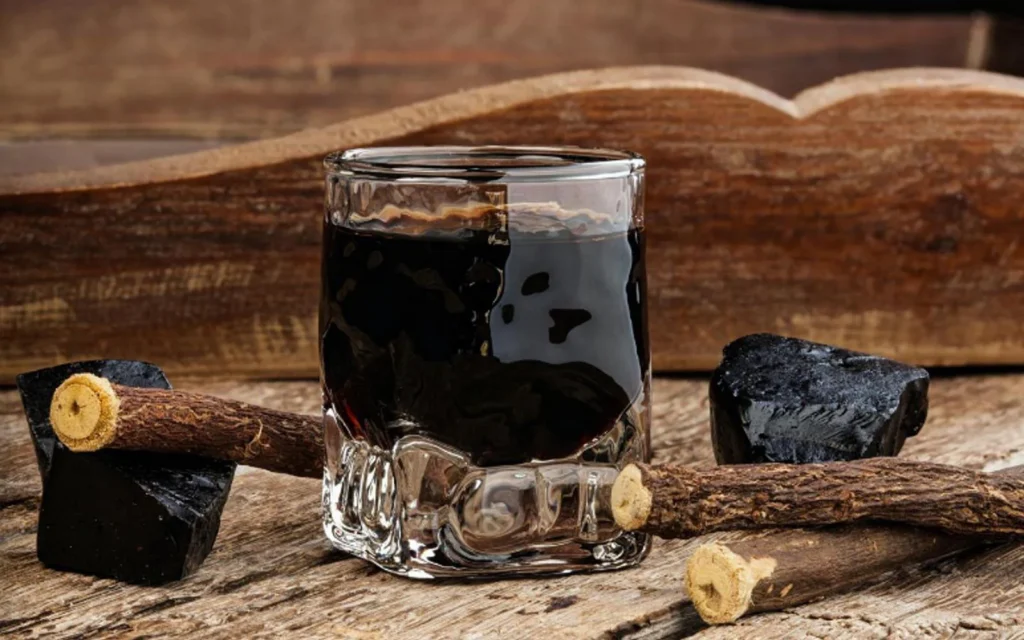
In the world of spirits, few ingredients are as revered as liquorice. Native to Europe and Asia, this plant has been used for centuries in traditional medicine and as a natural remedy for various ailments. But did you know that liquorice can also be used to create a delicious and medicinal liqueur? In this article, we’ll delve into the fascinating world of liquorice liqueur, exploring its history, benefits, and most importantly, how to make it at home.
The History of Liquorice
Liquorice has been a staple in traditional medicine for over 4,000 years. The ancient Chinese used it to treat various ailments, including digestive issues and respiratory problems. In the West, liquorice was also used by the Greeks and Romans to alleviate symptoms of indigestion and fever. Today, liquorice is still widely consumed around the world, not only for its medicinal properties but also as a flavoring agent in food and beverages.
The Benefits of Liquorice
So, what makes liquorice so special? The answer lies in its unique combination of compounds, which have been shown to possess antibacterial, anti-inflammatory, and antiviral properties. These compounds can help alleviate symptoms of digestive issues, such as bloating and gas, while also providing relief from respiratory problems like bronchitis and coughs.
Caramelle di Liquirizia vs. Polvere di Liquirizia
When it comes to making liquorice liqueur, there are two primary options: caramelle di liquirizia (liquorice caramels) and polvere di liquirizia (liquerice powder). While both can be used to create a delicious liqueur, we recommend using polvere di liquirizia for its superior flavor and medicinal properties. Caramelle di liquirizia are often enriched with emulsifiers and additives, which can compromise the quality of your liqueur.
Liquorice in Polvere: Where to Buy
So, where can you find high-quality liquorice powder? Look no further than specialized health food stores or online retailers. Amazon offers a range of reputable brands, including Amarelli’s famous Calabrian Liquorice Powder. When purchasing, ensure that the product is labeled as “alimentare” (food-grade) to avoid any potential issues.
Liquorice in Polvere: How to Use
To make your liquorice liqueur, start by combining 100g of polvere di liquirizia with 470ml of water and 300ml of sugar in a saucepan. Heat the mixture over low heat, stirring constantly, until the sugar has dissolved. Remove from heat and let cool before adding 280ml of alcohol. Mix well and transfer to a bottle for storage.
Liquorice Liqueur Recipe: Caramelle di Liquirizia
For those who prefer to use caramelle di liquirizia, follow this simple recipe:
Ingredients:
- 280g liquorice caramelles
- 1 liter of water
- 600g sugar
- 650ml alcohol
Instructions:
- Combine the water and caramelles in a saucepan.
- Heat over low heat until the caramelles have dissolved.
- Add the sugar and stir until fully incorporated.
- Remove from heat and let cool before adding the alcohol.
- Mix well and transfer to a bottle for storage.
Tips and Variations
- To enhance the flavor of your liqueur, try adding a few drops of peppermint or lemon extract.
- For a more intense flavor, use more liquorice powder or caramelles di liquirizia.
- Experiment with different types of alcohol, such as rum or bourbon, for unique flavor profiles.
Common Mistakes to Avoid
- Using too much liquorice powder or caramelle di liquirizia, which can result in an overpowering flavor.
- Not dissolving the sugar properly, leading to an unevenly flavored liqueur.
- Adding the alcohol too quickly, causing the mixture to separate and resulting in a cloudy or sedimented liquid.
Safety Precautions
- Always handle liquorice powder and caramelle di liquirizia with care, as they can be dusty and cause skin irritation.
- Avoid ingesting large quantities of liquorice liqueur, as it can cause stomach upset and allergic reactions in some individuals.
- Keep liquorice liqueur out of reach of children and pets, as it is a concentrated liquid.
Storing and Serving Liquorice Liqueur
- Store your liquorice liqueur in the refrigerator to slow down fermentation and preserve flavor.
- Serve chilled, either on its own or mixed with tonic water, soda water, or other beverages.
- Experiment with different serving styles, such as using it as a base for cocktails or adding it to desserts and baked goods.
Conclusion
In conclusion, making liquorice liqueur at home is easier than you think. With its rich history, medicinal properties, and delicious flavor, this natural remedy is sure to become a staple in your pantry. Whether you choose to use polvere di liquirizia or caramelle di liquirizia, remember to follow proper techniques and dosages to ensure the best results.
Frequently Asked Questions
Q: What are the health benefits of liquorice?
A: Liquorice has been shown to possess antibacterial, anti-inflammatory, and antiviral properties, making it a natural remedy for digestive issues and respiratory problems.
Q: Can I use liquorice powder in other recipes?
A: Absolutely! Liquorice powder can be used in baking, cooking, and as a flavoring agent in various dishes.
Q: Is liquorice liqueur suitable for children?
A: While liquorice liqueur is generally safe for adults, it’s not recommended for children due to the high alcohol content.
Q: Can I make liquorice liqueur at home without a distiller?
A: Yes! You can use a simple fermentation process or buy pre-made liquorice liqueur concentrate from online retailers.
Q: How long does liquorice liqueur last?
A: Liquorice liqueur typically lasts for several months when stored properly in the refrigerator.


