
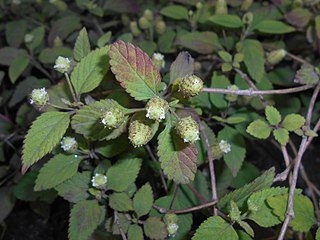
Lippia dulcis, a plant with a sweet past and a bright future. Native to Central and South America, this sweet-tasting plant has been a prized possession for centuries. Not only was it used as a healing agent by local populations in the 14th century, but it also served as a natural sweetener.
But what makes Lippia dulcis so special? Let’s dive into its history, cultivation, and benefits to discover why this plant is worth getting to know.
A Brief History of Lippia Dulcis
Lippia dulcis belongs to the Verbenaceae family, closely related to the popular Lemon Verbena (Lippia citriodora). This sweet-tasting herb has been used for centuries in traditional medicine and as a natural sweetener. In Mexico and Venezuela, it was known as “Sugar of the Aztecs,” highlighting its significance in pre-Columbian times.
The history of Lippia dulcis dates back to the 14th century, when it was first used by local populations in Central and South America. The plant’s popularity grew rapidly, and it became a staple in many traditional medicine practices. In the 16th century, Spanish conquistadors brought Lippia dulcis back to Europe, where it quickly gained popularity among botanists and naturalists.
Today, Lippia dulcis is grown commercially in many parts of the world, including Africa, Asia, and North America. Its popularity has led to various cultivation methods, from traditional farming practices to modern hydroponic systems.
Cultivating Lippia Dulcis: A Beginner’s Guide
If you’re interested in growing your own Lippia dulcis plant, here are some essential tips to get started:
- Choose a well-drained potting mix and a suitable container.
- Lippia dulcis is an easy-to-grow plant that thrives in warm weather. It can be grown indoors or outdoors, making it perfect for balcony gardens or terraces.
- This herb grows slowly but steadily, reaching heights of up to 20 cm (8 inches).
- The leaves are long and narrow, with a distinctive menthol flavor.
When cultivating Lippia dulcis, ensure you provide the right conditions. Here are some additional tips:
- Lighting: Lippia dulcis requires bright, indirect light. Direct sunlight can be too intense for young plants.
- Watering: Keep the soil moist but not waterlogged. Overwatering is a common mistake that can lead to root rot.
- Temperature: This herb thrives in warm temperatures between 18°C (64°F) and 25°C (77°F). It’s best to keep it away from frost and extreme cold.
- Humidity: Lippia dulcis prefers a relatively high humidity level, but can adapt to average indoor conditions.
Benefits of Lippia Dulcis
Lippia dulcis is not only a delicious addition to your kitchen but also offers several health benefits. Here are some of the advantages of using this herb:
- Digestive aid: Lippia dulcis has natural antiseptic and anti-inflammatory properties, making it an excellent remedy for digestive issues.
- Natural sweetener: The leaves can be used as a natural sweetener in cooking and baking.
- Mood booster: The menthol content in Lippia dulcis has been shown to have a calming effect on the mind and body.
Lippia dulcis is also known for its versatility. Here are some ways you can use this herb:
- Tea: Steep the leaves in hot water to make a soothing tea.
- Cooking: Add Lippia dulcis leaves to your favorite recipes for a unique flavor.
- Aromatherapy: Use dried or fresh leaves in potpourri, sachets, or as an air freshener.
Tips for Growing Lippia Dulcis
Here are some additional tips to help you grow your Lippia dulcis plant successfully:
- Pruning: Prune your plant regularly to maintain its shape and encourage new growth.
- Pest control: Regularly inspect your plant for signs of pests or diseases and take action promptly.
- Soil pH: Lippia dulcis prefers a slightly acidic soil pH, between 6.0 and 7.0.
Common Challenges When Growing Lippia Dulcis
Some common issues you may encounter when growing Lippia dulcis include:
- Overwatering: Make sure to keep the soil moist but not waterlogged.
- Pests and diseases: Regularly inspect your plant for signs of pests or diseases and take action promptly.
Conclusion
Lippia dulcis is a versatile and delicious herb that offers numerous health benefits. With proper care and attention, it can thrive in your garden or indoor space. Whether you’re looking to add some flavor to your cooking or want to try out natural remedies, Lippia dulcis is definitely worth exploring.
Frequently Asked Questions
Here are some frequently asked questions about Lippia dulcis:
- Q: What is the best way to store Lippia dulcis leaves?
A: Store the leaves in an airtight container in the refrigerator to preserve their flavor and aroma. - Q: Can I use Lippia dulcis as a natural insect repellent?
A: Yes, the menthol content in Lippia dulcis can help repel insects. - Q: Is Lippia dulcis safe for consumption?
A: In moderation, yes. However, consult with a healthcare professional before using it as a remedy for any health issues. - Q: How often should I prune my Lippia dulcis plant?
A: Prune your plant regularly to maintain its shape and encourage new growth.
Growing Lippia Dulcis in Different Climates
Lippia dulcis is a tropical plant that thrives in warm weather. However, it can be grown in different climates with proper care and attention:
- Tropical climates: Lippia dulcis grows rapidly in warm temperatures between 18°C (64°F) and 25°C (77°F).
- Subtropical climates: This herb prefers mild winters and hot summers. It thrives in temperatures between 10°C (50°F) and 30°C (86°F).
- Temperate climates: Lippia dulcis can be grown outdoors in temperate climates, but it requires protection from frost and extreme cold.
Harvesting Lippia Dulcis
Lippia dulcis is a versatile herb that can be used in various ways. Here are some tips for harvesting:
- Leaves: Harvest the leaves regularly to encourage new growth.
- Flowers: Use the flowers as a garnish or add them to salads and other dishes.
Conclusion
Lippia dulcis is a delicious and versatile herb that offers numerous health benefits. With proper care and attention, it can thrive in your garden or indoor space. Whether you’re looking to add some flavor to your cooking or want to try out natural remedies, Lippia dulcis is definitely worth exploring.
Additional Resources
For more information on growing and using Lippia dulcis, here are some additional resources:
- Books: “The Herbal Medicine-Maker’s Handbook” by James Green, “The New Seed Starter’s Handbook” by Nancy Bubel.
- Websites: The Spruce, Garden Therapy, Botanical Interests.
By following these tips and understanding the benefits of Lippia dulcis, you’ll be well on your way to growing a healthy and thriving plant that brings joy and flavor to your life.


