
When we hear the word “lipids,” many of us shudder, fearing that it means losing weight or developing health problems. However, this fear is misplaced, as lipids are not all bad news. In fact, certain types of fats play a crucial role in our overall health and well-being.
What Are Lipids?
The term “lipid” comes from the Greek word “lipos,” meaning fat. Lipids are a diverse group of substances that have low water solubility but can dissolve in organic solvents like benzene, ether, or chloroform. While we often associate lipids with food, they also play a vital role in our body’s chemistry.
Let’s take a closer look at the chemical composition of lipids. They are made up of carbon, hydrogen, and oxygen atoms, similar to carbohydrates but with a different carbon-to-oxygen ratio. This unique combination gives lipids their distinct characteristics and functions.
The Importance of Lipids
So, why do we need lipids? In short, they provide energy and serve as building blocks for various bodily functions. Lipids are essential for producing certain hormones, forming the structural components of cell membranes, and transporting fat-soluble vitamins like A, D, E, and K.
In fact, some fats play a crucial role in maintaining healthy blood sugar levels and supporting overall metabolic function. In people with insulin resistance or type 2 diabetes, dietary changes can help regulate blood sugar levels by reducing the amount of triglycerides in the bloodstream.
Types of Lipids
There are over 500 types of lipids, which can be classified into three main categories: simple, complex, and derived fats.
- Simple Lipids: These account for approximately 95% to 98% of our diet and are primarily used for energy storage and utilization. Examples include triglycerides.
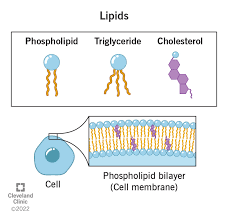
- Complex Lipids: This category includes triglycerides that have been combined with other substances like phosphorus, nitrogen, or sulfur. Phospholipids, glycolipids, and lipoproteins are common examples of complex lipids.
- Derived Fats: These are created through the transformation of simple or complex lipids. Cholesterol is a well-known example of a derived fat.
Triglycerides: A Key Player in Lipid Metabolism
Triglycerides are a type of lipid that consists of a molecule of glycerol linked to three fatty acid chains. They play a critical role in energy storage and utilization, making them an essential component of our diet.
The digestion process for triglycerides begins in the stomach with lipase, which breaks down the fat into smaller molecules. The resulting diglycerides are then converted into monoglycerides and eventually absorbed into the bloodstream.
Digesting Lipids: A Complex Process
The digestive process for lipids is a complex one that requires time and effort from our bodies. It begins in the stomach with lipase, which starts breaking down triglycerides into smaller molecules.
In the small intestine, bile salts secreted by the liver help to emulsify fats, making it easier for enzymes like pancreatic lipase to break them down further. As the digested fat passes through the colon, water is absorbed, and the remaining fatty acids are eliminated as part of the waste.
Types of Fats: A Guide
Understanding the different types of fats can help you make informed decisions about your diet. Here’s a brief guide:
- Monounsaturated Fats: These healthy fats are found in avocados, nuts, and olive oil. They can help lower cholesterol levels and reduce inflammation.
- Polyunsaturated Fats: These essential fats are found in fatty fish, flaxseeds, and walnuts. They’re crucial for brain function and heart health.
- Saturated Fats: While often associated with negative health effects, saturated fats are also necessary for our bodies. Find them in dairy products, meat, and coconut oil.
Foods High in Lipids
Incorporating the right foods into your diet can help you meet your lipid needs. Here are some examples:
- Avocados: Rich in healthy monounsaturated fats.
-
- Nuts and seeds: Packed with polyunsaturated fats, such as walnuts and chia seeds.
-
- Fatty fish: High in omega-3 fatty acids, like salmon and sardines.
Foods Low in Lipids
Some foods are naturally low in lipids, making them a great choice for those looking to reduce their fat intake. Here are some examples:
- Lean meats: Opt for chicken, turkey, or pork instead of fatty cuts like bacon or sausage.
-
- Whole grains: Choose brown rice, quinoa, and whole-wheat bread over refined carbohydrates.
-
- Fresh fruits and vegetables: These are naturally low in fat and high in fiber.
Conclusion
In conclusion, lipids are not all bad news. Certain types of fats play a vital role in our overall health and well-being, providing energy and serving as building blocks for various bodily functions. By understanding the different types of lipids and their roles in our bodies, we can make informed decisions about our diets and lifestyles.
Frequently Asked Questions
- What is the main function of lipids in the body?
Lipids play a crucial role in providing energy and serving as building blocks for various bodily functions. - Which type of fat is considered “bad”?
Triglycerides are often associated with negative health outcomes, such as heart disease and obesity. However, not all triglycerides are created equal. - How do lipids help regulate blood sugar levels?
Certain fats, like monounsaturated and polyunsaturated fats, can help improve insulin sensitivity and reduce inflammation in the body. - Can I lose weight by reducing my intake of lipids?
While it’s possible to reduce your lipid intake, focusing too much on cutting out fat can lead to nutrient deficiencies and negative impacts on overall health. - Are all types of lipids created equal?
No, different types of lipids have varying effects on our bodies. For example, monounsaturated fats are often considered healthier than saturated or trans fats.
By understanding the importance of lipids in our diet and lifestyle, we can make informed choices that promote overall health and well-being.


