
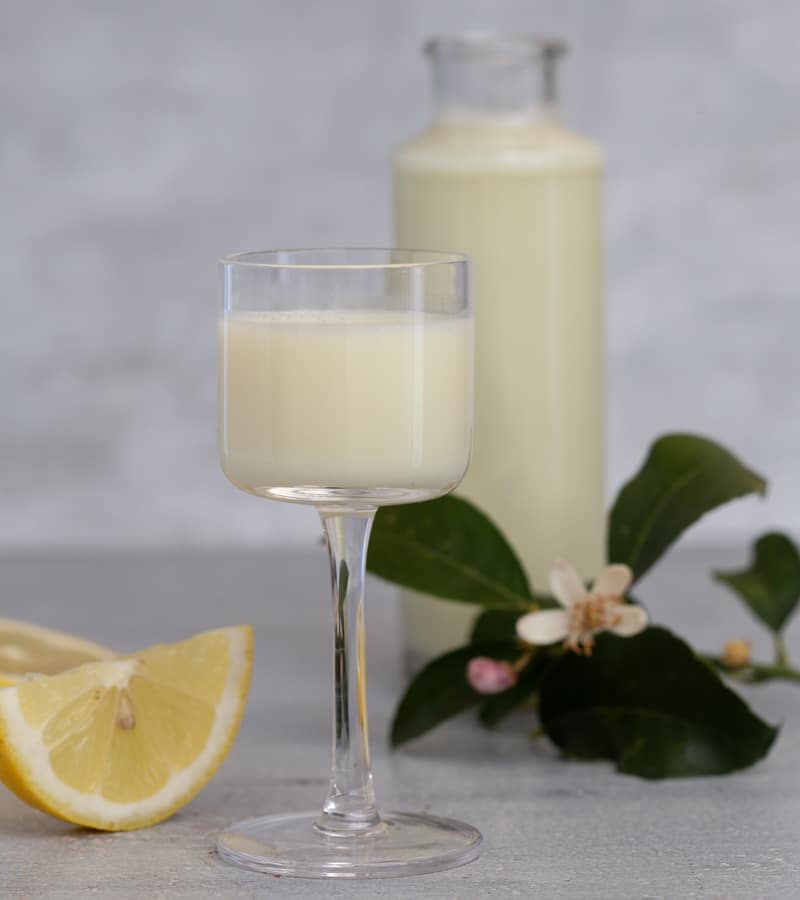
As I sit here, sipping on a glass of freshly made limoncello cream, I am reminded of my passion for this Italian liqueur. It’s been around four years now since I first started experimenting with recipes, and I must say, it’s become an integral part of my Sunday routine. There’s something about the way the citrusy flavors meld together with the sweetness of the cream that just hits the spot.
What is Limoncello Cream?
Before we dive into the recipe, let’s talk about what limoncello cream actually is. It’s a type of Italian liqueur made from lemon zest, sugar, and alcohol. The process involves macerating the lemon zest in a neutral spirit for several weeks, then mixing it with cream, sugar, and more alcohol to create a smooth, velvety texture.
The Importance of Maceration
One of the most crucial steps in making limoncello cream is maceration. This process allows the flavors of the lemon zest to infuse into the neutral spirit, creating a complex and aromatic flavor profile. The length of time for maceration can vary depending on personal preference, but I find that 30 days is just right.
Gathering Ingredients
Before we begin, let’s take a look at what you’ll need:
- 8 organic lemons
- 1 kg of granulated sugar
- 1/2 liter of whole milk
- 1/2 liter of heavy cream
- 1 vanilla bean, split lengthwise
- 1/2 liter of pure alcohol (95°)
Step-by-Step Guide to Making Limoncello Cream
Now that we have our ingredients, let’s get started!
Preparing the Lemon Zest
The first step is to carefully clean and dry the lemons. Remove any excess pulp or seeds, then use a zester or fine grater to create the lemon zest.
Creating the Lemon-Infused Alcohol
Place the lemon zest in a glass jar and cover it with the pure alcohol. Store the jar in a cool, dark place for 30 days, shaking the jar every few days. The resulting liquid is now infused with the flavors of the lemons!
Making the Creamy Base
In a separate pot, combine the milk, cream, and vanilla bean. Heat the mixture over medium heat until it comes to a boil, then remove from the heat and let it cool.
Combining the Flavors
Once the creamy base has cooled, add in the granulated sugar and mix until dissolved. Add the lemon-infused alcohol to the mixture and stir well.
Straining and Bottling
Using a fine-mesh sieve or cheesecloth, strain the mixture into a clean glass bottle. Discard the solids and discard the vanilla bean.
Tips and Tricks
- To avoid creating grume when heating the milk and cream, use a gentle heat source and whisk constantly.
- If you find that your limoncello cream is too thick, you can thin it out with a little more cream or milk.
- Experiment with different flavor combinations by adding other ingredients to the mixture.
Troubleshooting Common Issues
- Why did my limoncello cream turn out too thick?
Try mixing in a little more cream or milk to thin it out. You can also try heating it up again and whisking constantly to emulsify. - How do I prevent grume from forming when making the creamy base?
Use a gentle heat source, whisk constantly, and avoid overheating the mixture.
Advanced Techniques for Making Limoncello Cream
For those looking to take their limoncello cream game to the next level, here are some advanced techniques you can try:
- Using multiple types of citrus fruits: Experiment with combining lemon zest with other citrus fruits like oranges or grapefruits to create a unique flavor profile.
- Adding botanicals: Infuse your limoncello cream with botanicals like rose petals or lavender buds for added complexity and depth.
- Experimenting with different sweeteners: Try using honey or agave nectar instead of granulated sugar to create a unique sweetness level.
Conclusion
Making limoncello cream is an art that requires patience, dedication, and attention to detail. With these simple steps and a few basic ingredients, you’ll be sipping on your own homemade limoncello cream in no time!
Frequently Asked Questions
- What type of lemons are best for making limoncello cream? I recommend using organic lemons from the Mediterranean region for their unique flavor profile.
- Can I use other types of citrus fruits instead of lemons? While it’s possible to experiment with other citrus fruits, lemons provide a distinct and quintessential flavor to limoncello cream.
- How long does it take to make limoncello cream from scratch? With the 30-day maceration period and additional preparation time, making limoncello cream can take around 4-6 weeks from start to finish.
- What is the best way to store limoncello cream after bottling? Store your homemade limoncello cream in a cool, dark place, such as a pantry or cupboard, and keep it away from direct sunlight.
-
Can I make limoncello cream without alcohol? While traditional recipes call for pure alcohol, you can experiment with using other flavorings like coffee or chocolate to create a unique twist on the classic recipe.
-
Is limoncello cream suitable for all ages? Limoncello cream is an adult-only beverage due to its high ABV content.
-
Can I make limoncello cream in large quantities? Yes, you can scale up the recipe by doubling or tripling the ingredients, but keep in mind that larger batches may require longer maceration periods.
-
How do I serve limoncello cream? Limoncello cream is best enjoyed chilled, either on its own or mixed with other beverages like coffee, tea, or sparkling water.
-
Can I use homemade limoncello cream as a base for cocktails? Absolutely! The unique flavor profile of limoncello cream makes it an excellent addition to many cocktails.
-
Is there a secret ingredient in traditional limoncello recipes? Some people swear by adding a pinch of salt or a dash of citrus zest to enhance the flavors, but I prefer to keep things simple and let the natural flavors shine through!
-
How do I know if my limoncello cream is ready?
When you first open the bottle, be prepared for a strong aroma! If it’s too weak, continue macerating for another week or two. When you taste the cream, it should have a deep citrus flavor with a hint of sweetness. -
Can I make limoncello cream in the winter?
While some people prefer to make limoncello cream during the warmer months when lemons are more abundant, there’s no rule that says you can’t make it in the winter! Just be sure to store your jar in a cool, dark place. -
How do I keep my limoncello cream from becoming too thick?
If your limoncello cream becomes too thick over time, try heating it up again and whisking constantly to emulsify. You can also add a little more cream or milk to thin it out. -
Can I make limoncello cream with other types of citrus fruits? Yes! While lemons are traditional, you can experiment with using oranges, grapefruits, or even limes for added variety.
-
How do I know if my homemade limoncello cream is authentic?
The best way to ensure that your homemade limoncello cream is authentic is to use high-quality ingredients and follow a tried-and-true recipe. Don’t be afraid to experiment with different flavors, but also respect the traditional methods that have made limoncello cream famous around the world!


