
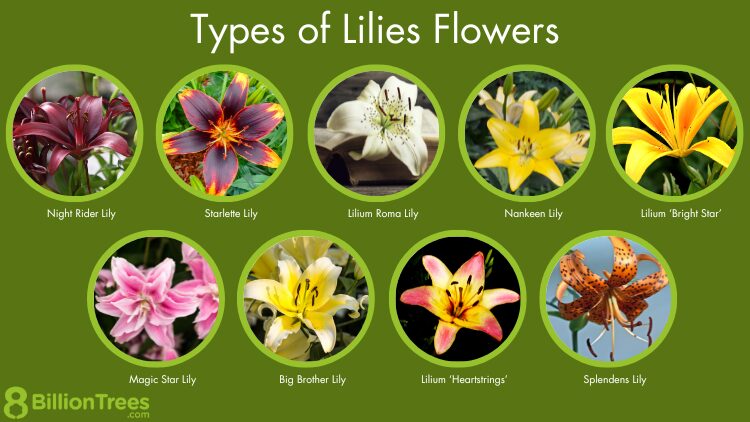
Lilies are one of the most popular and beautiful flowers in gardens, with a rich history and symbolism. They have been a symbol of femininity, purity, and love throughout history, with different colors representing various emotions and meanings.
Understanding Lilies and Their Meaning
Lilies are often associated with weddings and romance due to their elegant appearance and sweet fragrance. In fact, the lily is considered one of the most popular flowers for wedding bouquets and arrangements. The different colors of lilies also have specific meanings:
- White lilies symbolize purity, innocence, and new beginnings.
- Yellow lilies represent happiness, hope, and sunshine.
- Orange lilies signify passion, love, and energy.
- Pink lilies are associated with gratitude, appreciation, and friendship.
What is a Lily?
A lily is a type of flowering plant that belongs to the Lilium genus. There are many varieties of lilies, each with its unique characteristics, shapes, sizes, scents, colors, growth habits, and requirements for cultivation. Modern hybridizers have created numerous new varieties, offering a wide range of choices for gardeners.
Some popular types of lilies include:
- Asiatic lilies: Known for their vibrant colors and strong fragrance.
- Oriental lilies: Characterized by large, showy blooms and sweet scent.
- Tiger lilies: Recognizable by their bright orange color and distinctive stripes.
- Daylilies: A type of perennial that produces flowers on long stems.
Choosing the Right Lily for Your Garden
Before selecting a variety of lily, it’s essential to understand their specific needs and requirements. Some lilies are more tolerant of frost, while others prefer warmer temperatures. Some are sensitive to moisture, while others thrive in wet conditions.
When choosing a lily, consider factors such as:
- Climate: Some lilies can tolerate extreme cold or heat, while others require protection from harsh weather conditions.
- Soil type: Lilies prefer well-draining soil, but some varieties can adapt to different soil types.
- Sunlight: Most lilies require full sun to partial shade, depending on the variety.
Lilium candidum: The White Lily of Saint Anthony
Saint Anthony is perhaps the most well-known variety of lily, also known as Lilium candidum. This plant is associated with Christian iconography and is relatively resistant to harsh weather conditions. It can thrive in poor soil and tolerates drought.
However, it’s sensitive to high humidity and excessive moisture, making it less suitable for humid climates.
Lilium bulbiferum: The Lily of Saint Joseph
The Lily of Saint Joseph, also known as Lilium bulbiferum, is a bulbous plant that can be grown in central Europe. It prefers well-drained soil and full sun to partial shade.
Its flowers are typically orange, with darker markings, and can range from light to dark shades.
Lilium Martagone: The Martagon Lily
The Martagon lily, also known as Lilium martagone, is a perennial plant that grows on slopes, often surrounded by shrubs. It prefers well-drained soil, full sun, and partial shade.
Its flowers are typically orange to dark red with darker markings.
Lilies with Double Flowers
Some modern lily varieties have double flowers, which offer even more vibrant colors and larger blooms.
These types of lilies are considered “modern” because they lack pollen and have reduced scent. Some popular varieties include Lilium Dot Com and Lilium Fenice.
Their flowers often consist of 12-24 petals, creating a fuller appearance than traditional lily flowers.
Growing Lilies in Your Garden
Lilies can be grown in a variety of conditions, from partial shade to full sun, and from well-drained soil to wet environments. However, different varieties have specific requirements for optimal growth and blooming.
To ensure success when growing lilies, choose a location with good air circulation, adequate sunlight, and suitable soil.
Some general tips for growing lilies include:
- Plant bulbs in the fall or early spring, depending on your climate.
- Water regularly, but make sure the soil isn’t too wet or dry.
- Fertilize lightly in the spring and summer months, and prune dead flowers after blooming.
- Divide and replant bulbs every 3-4 years to maintain their health and vigor.
Frequently Asked Questions
Q: What is the best way to care for my lily plants?
A: Lilies generally require minimal maintenance. Water them regularly, but make sure the soil isn’t too wet or dry. Fertilize lightly in the spring and summer months, and prune dead flowers after blooming.
Q: How long do lily flowers last?
A: The length of time lily flowers last depends on various factors, such as weather conditions, watering, and fertilization. On average, lilies bloom for about 4-6 weeks.
Q: Can I grow lilies in pots or containers?
A: Yes, you can grow lilies in pots or containers! Just make sure the container has good drainage holes to prevent waterlogged soil.
Q: Are all lily varieties toxic to humans and pets?
A: Some lily varieties are toxic, so it’s essential to handle them with care. If you suspect your pet has ingested a lily, contact your veterinarian immediately.
Q: How often should I deadhead my lilies?
A: Deadheading lilies involves removing spent flowers to encourage more blooming. Remove the flower stalks after blooming to promote new growth and prevent seed production.
Q: Can I grow lilies indoors?
A: Yes, you can grow lilies indoors! Choose a variety that thrives in cooler temperatures, such as Lilium candidum or Lilium martagone. Provide bright, indirect light and maintain consistent temperatures between 60°F-70°F (15°C-21°C).
Q: Are there any diseases that affect lily plants?
A: Yes, some lilies are susceptible to diseases like powdery mildew, leaf spot, and root rot. Practice good hygiene, provide adequate air circulation, and remove infected leaves or stems to prevent the spread of disease.
Q: Can I propagate lily plants through division?
A: Yes, you can propagate lily plants through division! Dig up the entire plant in spring when it’s actively growing, separate the bulbs, and replant them in well-draining soil.
Lilium Care Tips
To ensure your lilies thrive, follow these care tips:
- Water deeply but infrequently to encourage deep root growth.
- Mulch around the plants to retain moisture and suppress weeds.
- Avoid over-fertilizing, as this can lead to weak stems and poor flowering.
- Provide support for tall varieties to prevent them from toppling over in wind.
Tips for Growing Lilies in Different Climates
If you live in a region with extreme temperatures or weather conditions, consider the following tips:
- In hot climates: Plant lilies in shadier locations, provide shade cloth or umbrellas, and water carefully to avoid root rot.
- In cold climates: Protect lily bulbs from frost by covering them with straw or burlap, and plant them in well-draining soil to prevent waterlogging.
Growing Lilies from Seed
While it’s possible to grow lilies from seed, this method can be challenging. To increase your chances of success:
- Start seeds indoors 6-8 weeks before the last frost date.
- Provide bright light and maintain a consistent temperature between 60°F-70°F (15°C-21°C).
- Transplant seedlings outdoors when they’re 4-6 inches tall.
Common Lilies Diseases
Some lilies are susceptible to diseases like:
- Powdery mildew: A fungal disease that causes white, powdery patches on leaves and stems.
- Leaf spot: A bacterial disease that causes small, circular spots on leaves.
- Root rot: A fungal disease that causes the roots of the plant to rot.
To prevent these diseases:
- Provide good air circulation around your lilies.
- Remove infected leaves or stems promptly.
- Water carefully to avoid overwatering.
Modern Lilies and Their Unique Features
Some modern lily varieties have unique features that set them apart from traditional lilies. For example:
- Lilium ‘Stargazer’: A bi-colored variety with large, fragrant blooms that last for several weeks.
- Lilium ‘Easter Joy’: A popular variety that produces bright orange flowers on tall stems.
- Lilium ‘Hanson’s Early Delight’: A unique variety with white, fragrant blooms and dark green foliage.
These modern lilies offer a range of benefits, including:
- Increased disease resistance
- Improved heat tolerance
- Enhanced fragrance
- More vibrant colors
Growing Lilies in Containers
Growing lilies in containers is a great option for small spaces or areas with poor soil. Here are some tips to keep in mind:
- Choose a container that’s at least 6-8 inches deep to accommodate the bulb.
- Use well-draining potting mix and avoid overwatering.
- Provide bright, indirect light and maintain consistent temperatures between 60°F-70°F (15°C-21°C).
Lily Care Tips for Beginners
If you’re new to growing lilies, here are some tips to get you started:
- Choose a variety that’s suitable for your climate and soil type.
- Plant bulbs in the fall or early spring, depending on your climate.
- Water regularly but avoid overwatering.
- Fertilize lightly in the spring and summer months.
By following these care tips and choosing the right variety for your region, you can enjoy beautiful lily blooms for years to come!


