
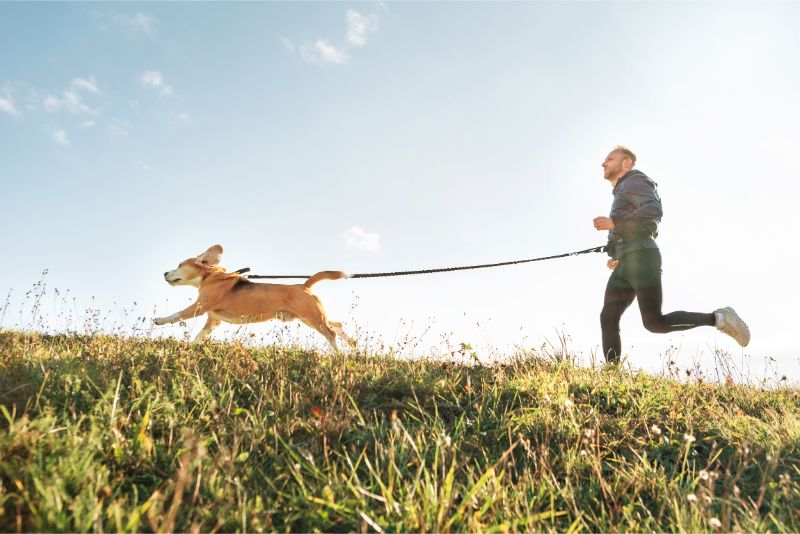
Are you considering taking your dog on a walk? Before you head out the door, it’s essential to ensure that both you and your furry friend are ready for the adventure. In this article, we’ll explore the world of canine walking, from choosing the right breed to providing safety tips and training advice.
Choosing the Right Breed
Not all dogs are created equal when it comes to walking. Some breeds are more suited to walking than others due to their physical characteristics, temperaments, and athletic abilities. Here are some dog breeds that are well-suited for walking:
- Small breeds: Breeds like the Jack Russell Terrier and Fox Terrier are well-suited for short walks or strolls.
- Medium breeds: Breeds like the Border Collie and Epaneul Breton are agile and energetic, making them ideal for medium-distance walks.
- Large breeds: Breeds like the Golden Retriever, Labrador Retriever, and Dobermann are powerful and energetic, making them well-suited for longer walks.
However, not all dogs of these breeds will enjoy walking. Some dogs may be more suited to running or other forms of exercise. Always consult with a veterinarian before starting any new exercise program with your dog.
Training Your Dog for Walking
Before taking your dog on a walk, it’s essential to train them gradually and safely. Here are some tips:
- Start slow: Begin with short walks (10-15 minutes) and gradually increase the duration and intensity over time.
- Use positive reinforcement: Reward your dog with treats and praise for good behavior.
- Watch body language: Pay attention to your dog’s body language, and if they show signs of fatigue or discomfort, stop immediately.
Safety Tips
Walking with your dog can be a fun and rewarding experience, but it requires careful planning and attention to safety. Here are some tips:
- Use the right gear: Invest in a comfortable harness and leash that allows for freedom of movement.
- Choose safe routes: Select routes that are free from hazards and obstacles.
- Watch the weather: Avoid walking during extreme temperatures, rain, or snow.
Canine Leash Etiquette
When it comes to walking your dog, etiquette is key. Here are some tips for walking like a pro:
- Hold the leash correctly: Hold the leash with a gentle but firm grip, allowing your dog to move freely.
- Be aware of surroundings: Keep an eye out for other walkers, cyclists, and vehicles on the road.
- Keep your dog on track: If your dog gets distracted or pulls on the leash, gently guide them back onto course.
Canine Walking Health Benefits
Walking with your dog can have numerous health benefits for both you and your furry friend. Here are some of the advantages:
- Improved cardiovascular health: Regular walking can lower blood pressure and improve circulation.
- Weight management: Walking can help burn calories and maintain a healthy weight.
- Mental health benefits: Spending time with your dog can reduce stress and anxiety.
Conclusion
Walking with your dog can be a fun and rewarding experience, but it requires careful planning and attention to safety. By choosing the right breed, training gradually, and following safety tips, you can ensure that both you and your furry friend enjoy this activity together. Whether you’re an experienced walker or just starting out, remember to prioritize your dog’s comfort and well-being above all else.
FAQs
- Can I walk my small breed dog?
- While some small breeds are suited for walking, others may not be due to their physical characteristics or temperaments.
- How do I train my dog for walking?
- Start slow, use positive reinforcement, and watch body language to ensure a safe and enjoyable experience for both you and your dog.
- What safety gear should I use when walking my dog?
- Invest in a comfortable harness and leash that allows for freedom of movement, and choose routes that are free from hazards and obstacles.
- Is it okay to walk my dog alone?
- While it’s possible to walk your dog alone, it’s generally recommended to have a second person accompany you for safety reasons.
- How often should I walk my dog?
- The frequency of walks depends on age, breed, and individual needs. Consult with a veterinarian for personalized advice.
By following these tips and guidelines, you can enjoy walking with your dog while prioritizing their comfort and well-being.


