
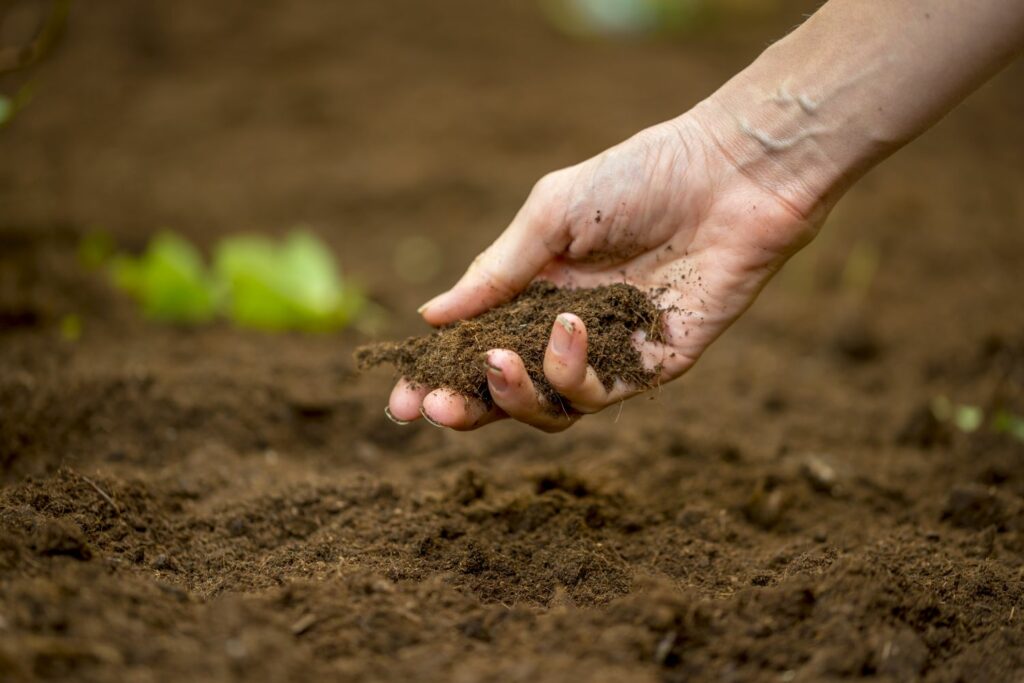
As a gardener, one of the most crucial factors to consider when growing plants is the type of soil you’re working with. The ideal soil for most plants is loamy, meaning it’s well-draining, not heavy, and allows water and air to penetrate easily. This type of soil also provides an excellent environment for plant roots to grow, making it easier for your plants to thrive.
What Makes Loamy Soil Special?
Loamy soil has a unique combination of characteristics that make it ideal for plant growth. It’s neither too dense nor too light, allowing roots to breathe and absorb nutrients easily. The perfect loam also allows water to penetrate the soil without becoming too saturated, reducing the risk of root rot.
One of the key features of loamy soil is its ability to retain moisture while still allowing excess water to drain away. This property makes it an ideal choice for a wide range of plants, from vegetables and fruits to flowers and trees. Additionally, loamy soil tends to have a more stable pH level, which helps to create a balanced environment for plant growth.
The Importance of Structure in Soil
Soil structure plays a crucial role in determining the health and fertility of your garden. A well-structured soil is able to support healthy root growth, absorb nutrients, and retain moisture. On the other hand, compacted or poorly structured soil can lead to problems such as:
- Poor drainage: Waterlogged soil can cause roots to rot and plants to become stunted.
- Reduced nutrient availability: Compact soil can prevent air and water from penetrating deep into the soil, reducing the availability of nutrients for plants.
- Increased erosion: Poorly structured soil is more susceptible to erosion, which can lead to soil loss and reduced fertility.
Using the Right Plants to Improve Soil Structure
While using a shovel or rake can be effective in breaking up compacted soil, it’s not always the most efficient method. Some plants have a natural ability to improve soil structure, making them excellent additions to your garden. These “pioneering” plants form a network of roots that help break up clumps and create a more open, porous environment for water and air to enter.
Leguminous Plants: The Ultimate Soil Improvers
Among the pioneering plants, legumes are some of the most effective at improving soil structure. Legumes like lupin, clover, and alfalfa have deep taproots that help break up compacted soil and create a network of passageways for air to enter. As these plants grow and eventually die, their roots decompose, leaving behind a rich source of nutrients that can be used by other plants.
The Role of Tubers in Improving Soil Structure
Legumes also have tubers that store nutrients like nitrogen, which are essential for plant growth. When these tubers break down, they release these nutrients into the soil, creating a rich, fertile environment for your plants to thrive.
Composting and Mulching: Natural Methods for Improving Soil
In addition to using pioneering plants, there are other natural methods you can use to improve soil structure. Composting is an excellent way to add organic matter to your soil, which helps to break up clumps and create a more porous environment. Mulching also plays a crucial role in improving soil health by adding layers of organic material that help retain moisture and suppress weeds.
The Importance of Green Manuring
Another natural method for improving soil structure is green manuring, the practice of planting cover crops like clover or rye to add nutrients to the soil as they grow. These plants not only improve soil structure but also provide a source of food for pollinators like bees and butterflies.
Benefits of Using Pioneer Plants
Using pioneer plants can have numerous benefits for your garden, including:
- Improved soil structure: By breaking up clumps and creating a more open environment, pioneer plants help to improve soil drainage and fertility.
- Increased nutrient availability: As roots decompose, they release nutrients that are available to other plants, improving overall soil health.
- Enhanced biodiversity: Pioneer plants attract beneficial insects and animals, which can help to create a balanced ecosystem in your garden.
Tips for Creating a Loamy Soil Environment
To create an optimal loamy soil environment, follow these tips:
- Use pioneering plants like legumes or comfrey to break up compacted soil and improve structure.
- Compost regularly to add organic matter and nutrients to the soil.
- Mulch to retain moisture and suppress weeds.
- Practice green manuring by planting cover crops to add nutrients to the soil.
Common Mistakes to Avoid
Some common mistakes to avoid when trying to create a loamy soil environment include:
- Over-tilling: Avoid over-tilling, as this can damage roots and disrupt the soil structure.
- Under- composting: Failing to compost regularly can lead to nutrient deficiencies in your plants.
- Not mulching: Mulching is essential for retaining moisture and suppressing weeds.
Conclusion
In conclusion, creating the perfect loamy soil requires a combination of using pioneering plants, composting, mulching, and green manuring. By following these simple steps, you can create an environment that’s conducive to plant growth and helps your plants thrive. Remember to avoid common mistakes like over-tilling, under-composting, and not mulching.
Frequently Asked Questions
Q: What are some examples of pioneering plants that can improve soil structure?
A: Legumes like lupin, clover, and alfalfa are excellent examples of pioneering plants that can help improve soil structure.
Q: How do legumes contribute to improving soil structure?
A: Legumes have deep taproots that break up compacted soil and create a network of passageways for air to enter. As they grow and eventually die, their roots decompose, leaving behind a rich source of nutrients.
Q: What is the role of tubers in improving soil structure?
A: Tubers stored by legumes release nutrients like nitrogen as they break down, creating a rich, fertile environment for plants to thrive.
Q: How can composting help improve soil structure?
A: Composting adds organic matter to the soil, helping to break up clumps and create a more porous environment.
Q: What is mulching, and how does it contribute to improving soil health?
A: Mulching adds layers of organic material that help retain moisture and suppress weeds.
Q: How can green manuring improve soil structure?
A: Green manuring adds nutrients to the soil as plants grow, helping to create a more fertile environment for plant growth.
Q: What are some tips for creating a loamy soil environment in my garden?
A: Use pioneering plants like legumes or comfrey to break up compacted soil and improve structure. Compost regularly, mulch, and practice green manuring.
Q: How long does it take for soil structure to improve after using pioneering plants or composting?
A: The time it takes for soil structure to improve can vary depending on factors like soil type and plant growth. However, with consistent effort and care, you can start to see improvements in as little as a few weeks.
Q: Can I use other types of plants besides legumes to improve soil structure?
A: While legumes are excellent at improving soil structure, other types of plants like comfrey and clover can also contribute to creating a more fertile environment.


