
Cycling is an engaging sport that requires a high level of physical fitness. However, when it comes to climbing hills, it can be particularly demanding. As a beginner cyclist, you may experience fatigue and discomfort as your body struggles to cope with the increased exertion.
In this article, we will focus on improving your pedaling technique in uphill cycling, covering both technical skills and mental preparation. We’ll explore simple yet effective tips to enhance your performance and reduce fatigue.
Understanding Uphill Cycling Challenges
Before diving into specific techniques, it’s essential to understand the common challenges you may face while climbing hills:
- Fatigue: Your body may struggle to maintain a consistent pace as the incline increases.
- Muscle imbalance: Poor pedaling technique can lead to muscle strain in your legs, glutes, and lower back.
Mastering Technical Skills
To improve your uphill cycling skills, let’s start with some simple yet effective techniques:
Reducing Gear Changes
One of the most significant contributors to fatigue is frequent gear changes. To minimize this, focus on maintaining a consistent cadence (gears per minute) while adjusting your gear accordingly.
- Maintain a steady pace: Try to maintain your current speed as you climb by changing gears gradually.
- Monitor your power output: Focus on keeping your power output within an optimal range to avoid excessive strain on your muscles.
Managing Power Output
To optimize your power output, consider the following:
- Gradual increases: Increase your gear or resistance in small increments to maintain a stable pace.
- Sustain intensity: Keep your power output consistent for longer periods to reduce fatigue.
Maintaining Coordination
Poor coordination can lead to muscle strain and discomfort. To avoid this:
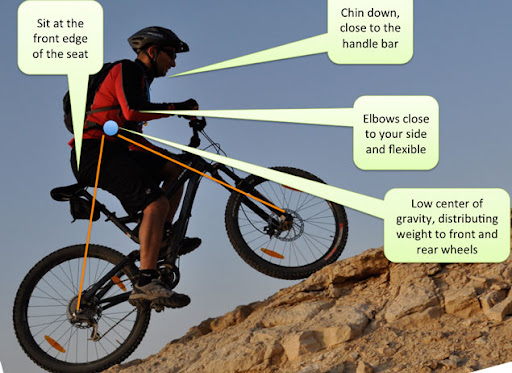
- Maintain good posture: Keep your back straight, shoulders relaxed, and core engaged.
- Engage your glutes: Use your gluteal muscles to drive your pedaling motion.
By focusing on these technical skills, you’ll be better equipped to tackle uphill climbs with confidence and reduced fatigue.
Mental Preparation
Mental preparation plays a significant role in overcoming the challenges of uphill cycling:
- Stay focused: Concentrate on maintaining a consistent pace and power output.
- Set realistic goals: Break your climb into smaller segments, setting achievable targets for each section.
- Manage distractions: Minimize mental distractions by focusing on your breathing, posture, or cadence.
By combining technical skills with mental preparation, you’ll be well-equipped to tackle even the most daunting uphill climbs.
Strategies for Overcoming Fatigue
Fatigue is a common challenge when tackling uphill climbs. Here are some strategies to help you overcome it:
- Take regular breaks: Stop every 10-15 minutes to rest and recharge.
- Use proper nutrition: Fuel your body with energy-rich foods, such as nuts, dried fruits, and energy bars.
- Stay hydrated: Drink plenty of water throughout your ride to maintain optimal hydration levels.
Strategies for Managing Muscle Imbalance
Poor pedaling technique can lead to muscle strain in your legs, glutes, and lower back. Here are some strategies to help you manage muscle imbalance:
- Strengthen your core: Engage your core muscles through exercises such as planks, crunches, and leg raises.
- Improve your flexibility: Regular stretching can help reduce muscle tension and improve flexibility.
Getting Guidance from a Professional
While these tips can provide valuable insights, it’s essential to consult with experienced cyclists or cycling instructors for personalized guidance. They can help you identify areas for improvement and develop customized training plans to suit your needs.
Additionally, joining local cycling clubs or groups can be an excellent way to connect with fellow cyclists, learn from their experiences, and gain valuable knowledge on the best techniques for tackling challenging terrain.
Conclusion
Mastering the art of climbing on a bike requires a combination of technical skills, mental preparation, and guidance from experienced professionals. By incorporating these tips into your training routine, you’ll be better equipped to tackle even the most daunting uphill climbs with confidence and reduced fatigue.
Frequently Asked Questions
- What’s the best way to approach uphill cycling?
Approach uphill cycling by maintaining a consistent pace, adjusting gears gradually, and managing power output to avoid excessive strain on your muscles. - How can I reduce gear changes during an uphill climb?
To minimize gear changes, maintain a steady pace and adjust your gear accordingly to keep your cadence stable. - What’s the importance of maintaining coordination while climbing?
Maintaining good posture, engaging your glutes, and avoiding muscle strain are crucial for reducing discomfort and fatigue while climbing hills. - How can I stay focused during an uphill climb?
Stay focused by concentrating on maintaining a consistent pace, power output, and setting realistic goals to break the climb into smaller segments. - What’s the best way to manage distractions while climbing?
Minimize mental distractions by focusing on your breathing, posture, or cadence to maintain concentration and reduce fatigue.
Tips for Beginners
If you’re new to cycling, here are some additional tips to help you get started:
- Start with short climbs: Begin with short, gradual climbs to build your endurance and confidence.
- Practice proper pedaling technique: Focus on maintaining good posture, engaging your glutes, and using proper pedaling technique to reduce discomfort and fatigue.
- Invest in proper gear: Make sure you have a comfortable, well-fitting bike and helmet to reduce the risk of injury.
Common Mistakes to Avoid
When tackling uphill climbs, it’s essential to avoid common mistakes that can lead to fatigue, muscle strain, or other injuries. Here are some tips to help you stay on track:
- Don’t push too hard: Pace yourself to maintain a consistent speed and power output.
- Watch your posture: Maintain good posture to reduce discomfort and fatigue.
- Stay hydrated: Drink plenty of water throughout your ride to maintain optimal hydration levels.
Conclusion
Mastering the art of climbing on a bike requires patience, dedication, and practice. By incorporating these tips into your training routine, you’ll be better equipped to tackle even the most daunting uphill climbs with confidence and reduced fatigue. Remember to stay focused, manage distractions, and prioritize proper pedaling technique to ensure a safe and enjoyable ride.
Additional Resources
For further guidance and support, consider the following resources:
- Cycling instructor or coach: Consult with an experienced cycling instructor or coach to develop customized training plans and improve your overall performance.
- Online cycling communities: Join online forums or social media groups to connect with fellow cyclists, share tips, and learn from their experiences.
- Local bike shops: Visit local bike shops for advice on proper gear, maintenance, and repair.
By combining technical skills, mental preparation, and guidance from experienced professionals, you’ll be well-equipped to tackle even the most daunting uphill climbs. Happy pedaling!


