
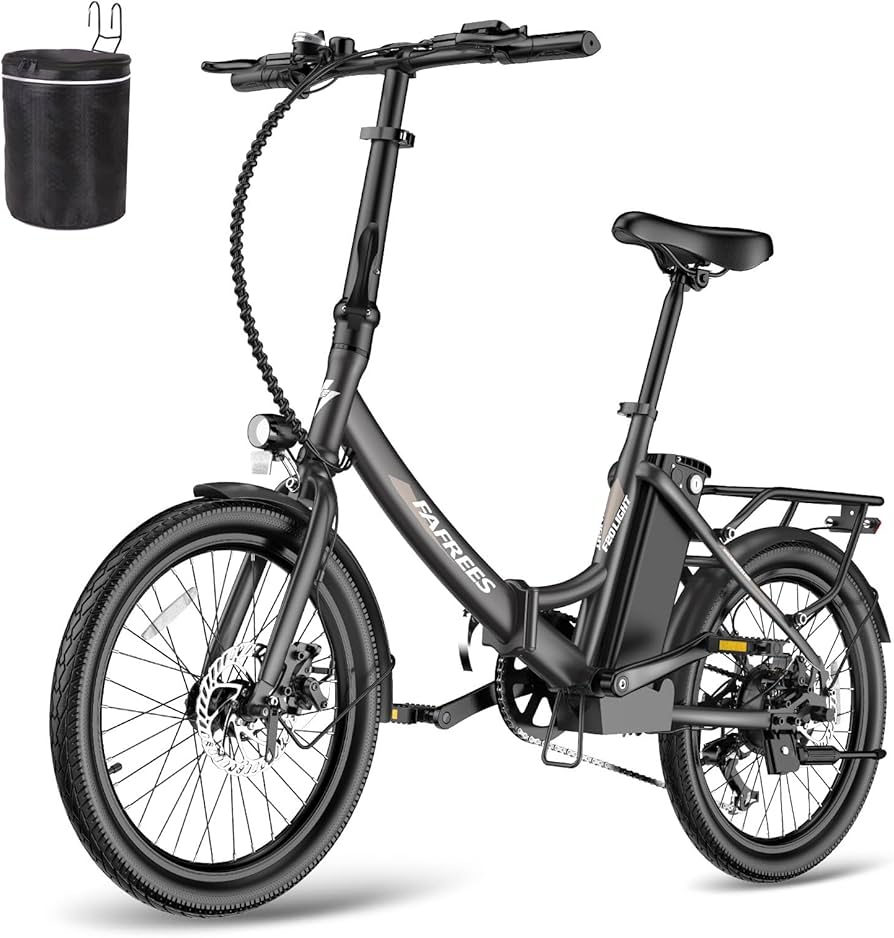
The market for e-bikes is expanding rapidly. In 2013, over 800,000 e-bikes were sold in Europe, and 45,000 were sold in our country alone, accounting for 4% of the total bike market.
If you’re looking for lightweight e-bikes, be prepared to shell out some cash: a good quality e-bike won’t come cheaply, with prices starting at around €700. However, if you have specific requirements or preferences, you may need to spend upwards of €1,000 or more. In this article, we’ll take a look at the current range of lightweight e-bikes available on the market.
Lightweight E-Bikes: The Best Options
As our name suggests, we’ve got our finger on the pulse when it comes to lightweight e-bikes. Here are some of the latest models that have caught our eye:
- Fulgur Aria: Weighing in at just 14.5 kg, this e-bike is a real lightweight champion. With its cutting-edge components and sleek design, it’s no wonder it’s been making waves on the cycling scene.
- Fulgur Terra: Another model from Fulgur that has left us impressed with its weight and performance. Weighing in at 16.4 kg, this e-bike is perfect for those looking to take their cycling to the next level.
- Haibike – Xduro Race 28: A high-performance e-bike designed specifically for racing. With a weight of just 18.1 kg and a powerful Bosch G2 Performance motor, it’s no wonder this e-bike has become a favorite among cyclists.
Other Lightweight E-Bikes to Consider
In addition to the models mentioned above, here are a few more lightweight e-bikes worth considering:
- Cannondale – Tramount 29ER E-Hardtail: This mountain bike e-bike is designed for pros and enthusiasts alike. With its powerful Bosch G2 Performance motor and rugged design, it’s perfect for tackling tough terrain.
- KTM – Macina Action 29 10-400: A lightweight e-mountain bike with a powerful 250W Bosch motor and 36V battery. Weighing in at just 19.3 kg, this e-bike is perfect for those looking to take their cycling to new heights.
- Scott – E-Spark 710: A high-performance e-bike designed for mountain biking. With its powerful Bosch Performance* system and lightweight design, it’s perfect for riders who want a bike that can keep up with them.
What the Law Says About Lightweight E-Bikes
Before you buy your next e-bike, it’s worth knowing what the law says about these machines. In order to cycle on public roads without restrictions, an e-bike must meet certain criteria set by the Ministry of Infrastructure and Transport. These include:
- A motor with a maximum power output of 0.25 kW
- Automatic disconnection from the battery when the speed exceeds 25 km/h
Key Differences Between Different E-Bike Categories
E-bikes come in various categories, each with its own unique features and benefits. Understanding these differences can help you choose the right e-bike for your needs.
- Commuter/Urban E-Bikes: Designed for short-distance riding on paved roads, these e-bikes are ideal for city commuters.
- Mountain E-Bikes: With their rugged design and powerful motors, mountain e-bikes are perfect for tackling tough terrain.
- Road E-Bikes: Built for speed and efficiency, road e-bikes are designed for long-distance riding on paved roads.
Advantages of Lightweight E-Bikes
Lightweight e-bikes offer several advantages over heavier models. These include:
- Improved maneuverability: Lighter e-bikes are easier to handle and more agile.
- Enhanced acceleration: With less weight, lighter e-bikes can accelerate faster and climb hills with ease.
- Increased range: Lighter e-bikes tend to have longer ranges due to reduced energy consumption.
Disadvantages of Lightweight E-Bikes
While lightweight e-bikes offer several advantages, they also have some disadvantages. These include:
- Reduced durability: With less weight, lighter e-bikes may be more prone to damage.
- Limited carrying capacity: Lighter e-bikes often have limited storage capacity due to their reduced weight.
Maintenance and Repair Considerations
When it comes to maintenance and repair, lightweight e-bikes require special consideration. These include:
- Regular cleaning and lubrication: To keep your e-bike running smoothly, regular cleaning and lubrication are essential.
- Component replacement: Due to their smaller size, components on lightweight e-bikes may be more prone to wear and tear.
Conclusion
If you’re looking for a lightweight e-bike that won’t break the bank, we’ve got some great options for you to consider. From Fulgur’s latest models to Cannondale’s high-performance e-mountain bikes, there’s something for every type of rider. So why not take the plunge and get cycling?
FAQs
- What is the minimum weight for a lightweight e-bike?
The minimum weight for a lightweight e-bike varies depending on the specific model and brand, but generally ranges from 14-20 kg. - How much do lightweight e-bikes typically cost?
Prices for lightweight e-bikes can vary greatly, ranging from €700 to over €1,000 or more, depending on the model and features. - What is the difference between a Bosch G2 Performance motor and a Bosch Performance* system?
The Bosch G2 Performance motor is a high-performance electric motor designed for e-mountain bikes, while the Bosch Performance* system is a new technology introduced in 2014 that offers improved efficiency and performance. - Can I ride my lightweight e-bike on paved roads?
Yes, but only if your e-bike meets the criteria set by the Ministry of Infrastructure and Transport, including having an automatic disconnection from the battery when the speed exceeds 25 km/h. - How do I choose the right lightweight e-bike for me?
Consider factors such as your riding style, terrain, and personal preferences to determine which type of e-bike is best for you. It’s also a good idea to test ride different models before making a purchase. - Are lightweight e-bikes suitable for long-distance riding?
Yes, many lightweight e-bikes are designed for long-distance riding and offer improved performance and efficiency due to their reduced weight and advanced components. - Can I customize my lightweight e-bike with accessories or upgrades?
Yes, many manufacturers offer customization options or upgrade packages for their e-bikes, allowing you to tailor your bike to your specific needs and preferences. - What is the warranty on a lightweight e-bike?
Warranty periods vary depending on the manufacturer and model, but generally range from 2-5 years.


