
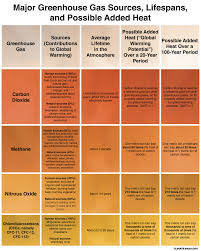
Climate change is one of the most pressing issues of our time, with far-reaching consequences for the environment, human health, and the economy. At the heart of this problem lies the role of greenhouse gases (GHGs), which trap heat in the Earth’s atmosphere and contribute to global warming. In this article, we will delve into the concept of “time to life” or “mean lifetime” of greenhouse gases, exploring its significance in understanding the complexities of climate change.
What are Greenhouse Gases?
Greenhouse gases (GHGs) are gases that trap heat in the Earth’s atmosphere, leading to global warming. The most well-known GHG is carbon dioxide (CO2), but other gases like methane (CH4), nitrous oxide (N2O), and fluorinated gases also contribute to climate change. These gases come from various sources, including human activities such as burning fossil fuels, deforestation, and land-use changes.
The Science of Greenhouse Gas Emissions
Greenhouse gas emissions occur when greenhouse gases are released into the atmosphere through natural and anthropogenic processes. The most significant GHG emissions come from human activities, which have increased dramatically over the past century. These emissions lead to an increase in atmospheric CO2 concentrations, which in turn accelerates global warming.
Understanding the Lifespan of Greenhouse Gases
The concept of “time to life” refers to the amount of time a greenhouse gas remains in the atmosphere after it is released. This is often measured as the mean lifetime, which represents the average duration a gas stays in the atmosphere before being removed. The lifespan of a GHG depends on various factors, including its chemical properties, physical characteristics, and interactions with other gases.
For most greenhouse gases, including CO2, CH4, and N2O, their mean lifetimes are relatively short, ranging from a few decades to a few centuries. However, some GHGs, like carbonates and bicarbonates of calcium and magnesium, can remain in the atmosphere for thousands of years. This long-term persistence is critical in understanding the cumulative impact of greenhouse gas emissions.
The Case of Carbon Dioxide (CO2)
Carbon dioxide is the most abundant long-lived greenhouse gas, with a mean lifetime of around 100-150 years. This means that once CO2 is released into the atmosphere, it can stay there for centuries. However, not all CO2 remains in the atmosphere forever. Some CO2 is absorbed by oceans and forests, while others are converted into carbonates and bicarbonates, which can be stored on land and in the ocean.
Natural Processes: A Key Factor in Regulating Greenhouse Gas Concentrations
Natural processes play a critical role in regulating the concentration of greenhouse gases in the atmosphere. For example, the oceans absorb approximately 25% of CO2 released into the atmosphere, which helps to slow down global warming. Additionally, forests and other vegetation absorb CO2 through photosynthesis, further reducing atmospheric concentrations.
The Role of the Oceans
The oceans are a crucial component of the Earth’s carbon cycle, absorbing and storing large amounts of CO2 from the atmosphere. This process, known as oceanic carbon sequestration, helps to mitigate the effects of climate change by reducing atmospheric CO2 concentrations. However, the oceans also release CO2 back into the atmosphere through various processes, including upwelling and the decomposition of organic matter.
The Impact of Human Activities
Human activities, such as burning fossil fuels, deforestation, and land-use changes, are significant contributors to greenhouse gas emissions. These emissions lead to an increase in atmospheric CO2 concentrations, which in turn accelerates global warming. The effects of human activities on GHG emissions are far-reaching and interconnected, influencing not only climate change but also air and water quality, biodiversity, and human health.
The Importance of Understanding Lifespan
Understanding the lifespan of greenhouse gases is crucial for developing effective strategies to mitigate climate change. If we assume that all CO2 released into the atmosphere today will remain there forever, our efforts to reduce emissions would need to account for a significant portion of future emissions. However, if we recognize that some CO2 can be removed from the atmosphere through natural processes, such as photosynthesis and oceanic absorption, our focus should shift to reducing overall GHG emissions.
The Role of Renewable Energy Sources
One critical strategy for mitigating climate change is transitioning to renewable energy sources. These sources, including solar, wind, hydroelectric, and geothermal power, produce little to no greenhouse gas emissions, making them a vital component of a low-carbon economy. By investing in renewable energy technologies and infrastructure, we can reduce our reliance on fossil fuels and lower atmospheric CO2 concentrations.
Conclusion
Understanding the lifespan of greenhouse gases is essential for developing effective strategies to mitigate climate change. By recognizing the role of natural processes in regulating GHG concentrations and the impact of human activities on these processes, we can work towards reducing overall emissions and slowing down global warming. This requires a comprehensive approach that incorporates policy measures, technological innovation, and individual actions.
Frequently Asked Questions (FAQs)
- What is the average lifespan of CO2 in the atmosphere?
CO2 has a mean lifetime of around 100-150 years, but some CO2 remains in the atmosphere for thousands of years.
2. How do oceans and forests absorb CO2 from the atmosphere?
Oceans and forests absorb CO2 through natural processes like photosynthesis and oceanic absorption.
3. Can we remove all CO2 from the atmosphere forever?
No, not all CO2 can be removed from the atmosphere forever due to its chemical properties and interactions with other gases.
4. What is the significance of carbonates and bicarbonates in the atmosphere?
Carbonates and bicarbonates are long-lived greenhouse gases that can remain in the atmosphere for thousands of years, contributing to climate change.
5. How can we reduce our impact on greenhouse gas emissions?
We can reduce our impact by transitioning to renewable energy sources, increasing energy efficiency, and adopting sustainable land-use practices.
Additional Resources
- National Oceanic and Atmospheric Administration (NOAA) – Greenhouse Gas Emissions
- Intergovernmental Panel on Climate Change (IPCC) – Greenhouse Gas Concentrations in the Atmosphere
- United Nations Framework Convention on Climate Change (UNFCCC) – Greenhouse Gas Emissions


