
Lettuce, also known as leafy greens, has been a staple in many cuisines for centuries. Not only is it a great source of essential nutrients, but its leaves have also been used to treat various health conditions. In this article, we will delve into the nutritional and therapeutic properties of lettuce, exploring its uses, benefits, and potential side effects.
What are the Nutritional Properties of Lettuce?
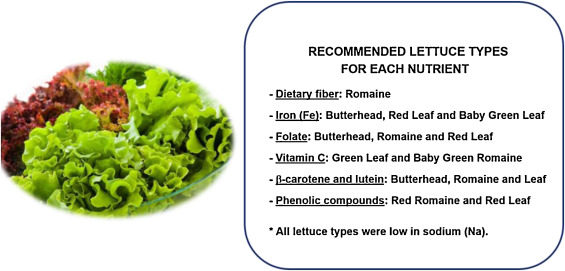
Lettuce is composed of approximately 95% water, making it a hydrating food that can help replenish fluids in the body. Its leaves also contain essential minerals such as iron, calcium, phosphorus, copper, potassium, and sodium.
Therapeutic Properties of Lettuce
One of lettuce’s most notable properties is its ability to calm the nervous system. The sedative and calming effects of lettuce have been attributed to a compound called lattucario, which is produced in the roots of the plant. This liquid has been shown to have similar effects to opium.
When to Consume Lettuce?
Lettuce can be consumed at any time of day, but its calming properties make it an ideal choice for dinner. Its high water content also makes it a great snack for those looking to rehydrate after a workout or on a hot summer day.
Precautions and Contraindications
While lettuce is generally considered safe to eat, there are some precautions to be aware of. Lettuce grown in soil with excessive nitrates can contain these toxins in high amounts, particularly if the leaves are not consumed in moderation. Nitrates can accumulate in the body and cause health problems, especially for vulnerable populations such as pregnant women and young children.
To minimize this risk, it’s recommended to:
- Buy lettuce from a reputable source
- Choose varieties that have been grown using organic methods
- Wash the leaves thoroughly before consumption
How to Prepare Lettuce
Lettuce can be consumed in various ways, including raw and cooked. Cooking lettuce using the steam method helps retain its nutrients, making it an excellent addition to soups and salads.
Here’s a simple recipe for a lettuce decoction:
- Fill a pot with 1/2 cup of water
- Add 1 head of lettuce (or 1 bunch) to the pot
- Bring the mixture to a boil, then reduce heat and simmer for 5 minutes
- Strain the liquid and drink it down
Benefits of Lettuce
Incorporating lettuce into your diet can have numerous benefits. Some of these include:
- Replenishing fluids in the body
- Supporting heart health
- Providing essential minerals
- Promoting relaxation and reducing stress
By incorporating lettuce into your daily routine, you can experience these benefits firsthand.
Frequently Asked Questions
Q: Is it safe to consume lettuce regularly?
A: Yes, in moderation. Lettuce is generally considered safe to eat, but excessive consumption may lead to digestive issues.
Q: Can I grow my own lettuce at home?
A: Absolutely! Lettuce is easy to grow and can be cultivated using simple methods like hydroponics or container gardening.
Q: How do I prepare a decoction of lettuce?
A: Simply boil 1 head of lettuce in ¼ cup of water for 5 minutes, then strain the liquid and drink it down.
Q: Can I use cooked lettuce in cooking recipes?
A: Yes! Lettuce can be used in various dishes like soups, salads, and smoothies. Try using it in place of spinach or kale for a similar nutritional boost.
The History of Lettuce
Lettuce has been a staple crop in many ancient civilizations. The earliest recorded use of lettuce dates back to the Roman Empire, where it was grown for both its leaves and roots. In modern times, lettuce is one of the most widely cultivated leafy greens globally.
Types of Lettuce
There are numerous varieties of lettuce available, including:
- Romaine
- Iceberg
- Butter lettuce
- Leaf lettuce
Each type has its unique characteristics and uses in cooking.
Culinary Uses of Lettuce
Lettuce is an excellent addition to a variety of dishes. Some popular ways to use lettuce include:
- Salads: Use crisp leaves like romaine or iceberg for salads, or combine with other greens for a fresh mix.
- Soups: Add cooked lettuce to soups like minestrone or creamy broths for added nutrition.
- Smoothies: Blend raw lettuce into smoothies for an extra boost of vitamins and minerals.
Side Effects of Lettuce
While lettuce is generally considered safe to eat, some people may experience side effects when consuming it. These include:
- Digestive issues: Excessive consumption of lettuce can cause digestive problems like bloating or gas.
- Allergic reactions: Some individuals may be allergic to certain varieties of lettuce, such as iceberg.
To minimize these risks, consult a healthcare professional before making significant changes to your diet.
Conclusion
Lettuce is an incredibly nutritious and versatile food that offers numerous health benefits. Its calming properties make it an excellent choice for relaxation, while its high water content makes it perfect for rehydrating after exercise or on hot summer days. By incorporating lettuce into your daily routine, you can experience the many benefits of this superfood firsthand.
Additional Tips
- Choose a variety of lettuce to ensure a balanced intake of nutrients.
- Wash lettuce thoroughly before consumption to minimize pesticide exposure.
- Cook lettuce using gentle methods like steaming or boiling to retain its nutrients.
- Experiment with different preparations, such as salads or smoothies, to add variety to your diet.


