
As we navigate the complex world of weight management, one hormone often comes to mind: leptin. This tiny protein plays a crucial role in regulating our appetite, energy expenditure, and body composition. In this article, we’ll delve into the fascinating world of leptin, exploring its function, effects on obesity, and potential applications.
What is Leptin?
Leptin is an adipokine produced by white adipose tissue (WAT) and transported to the central nervous system via the bloodstream. Its receptors are primarily located in the hypothalamus, a region of the brain involved in energy balance regulation. The term “leptos” originates from the Greek word for “slender,” reflecting its role in promoting weight loss.
Leptin’s Role in Energy Balance
When fat reserves increase, WAT produces more leptin to signal the hypothalamus that energy stores are sufficient. This triggers a decrease in appetite and an increase in energy expenditure, ultimately leading to weight loss. Conversely, when fat reserves decrease, leptin production decreases, and the hypothalamus perceives energy deficits, prompting increased hunger and decreased energy expenditure.
Leptin Levels and Obesity
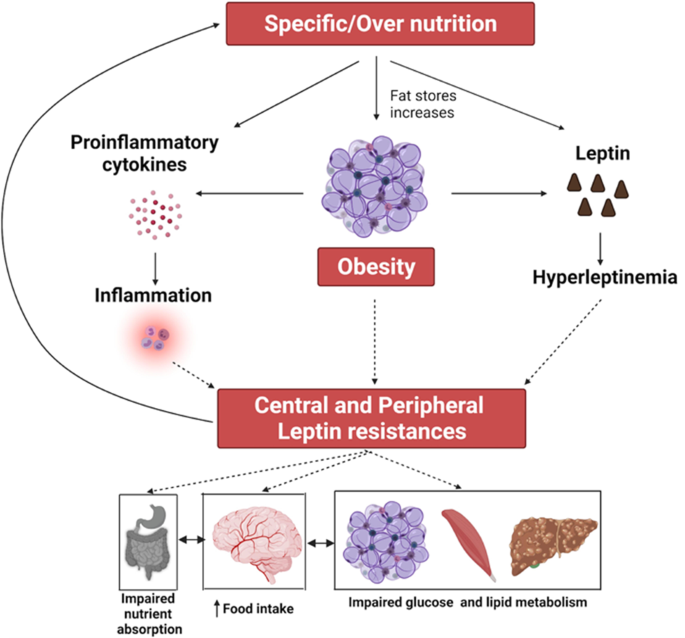
Research has consistently shown that individuals with obesity tend to have elevated leptin levels. However, this is not necessarily a direct result of leptin’s anorexigenic effects. Rather, it may be related to the body’s reduced sensitivity to leptin’s action on the hypothalamus.
Leptin Resistance and Obesity
In obese individuals, the brain becomes less responsive to leptin’s signals, leading to impaired energy balance regulation. When these individuals consume more calories than they burn, their bodies become accustomed to the constant influx of nutrients. As a result, the body produces more leptin to try and restore balance, but the hypothalamus remains unresponsive.
The Leptin Effect: A Double-Edged Sword
While elevated leptin levels are often associated with obesity, they can also have beneficial effects on energy expenditure. In individuals who are not obese, leptin helps regulate appetite and energy balance. However, in those with normal body weight, chronic elevations in leptin may contribute to metabolic dysregulation.
Leptin Supplements: Separating Fact from Fiction
The market is flooded with leptin supplements, often marketed as a quick fix for weight loss. While some products claim to boost metabolism or enhance fat burning, the scientific evidence supporting these claims is limited and inconclusive. As with any supplement, it’s essential to approach these products with caution and consult with a healthcare professional before adding them to your regimen.
The Leptin Diet: A Brief Overview
The leptin diet is a restrictive eating plan that advocates for only three meals per day, spaced evenly apart. This approach aims to mimic the natural fluctuations in leptin levels by providing regular meals and minimizing snacking. While some proponents claim this diet can help regulate appetite and weight loss, there is limited scientific evidence to support its efficacy.
Additional Foods that Support Leptin Function
In addition to a balanced diet, incorporating certain foods into your regimen may help support leptin function:
- Leafy greens (spinach, kale, broccoli)
- Omega-3 rich foods (salmon, sardines, arugula)
- Complex carbohydrates (quinoa, brown rice, whole-grain bread)
- Fiber-rich fruits and vegetables
The Importance of Leptin Receptors
Leptin receptors are essential for the proper functioning of leptin. Research has shown that certain genetic variants can affect leptin receptor expression, leading to impaired energy balance regulation.
Current Research on Leptin and Obesity
Scientists continue to investigate the complex relationship between leptin and obesity. Recent studies have focused on the role of leptin in regulating inflammation and metabolic function. Understanding these processes may lead to the development of novel treatments for obesity-related diseases.
Potential Applications of Leptin Research
The study of leptin has far-reaching implications for various fields, including:
- Obesity research
- Metabolic disorders
- Cardiovascular disease prevention
- Cancer treatment
As researchers continue to unravel the mysteries of leptin, we may uncover new avenues for weight management and overall health.
Conclusion
Leptin is a complex hormone with far-reaching implications for energy balance regulation. While its effects on obesity are multifaceted, the scientific community continues to unravel the intricacies of leptin’s role in human metabolism.
Frequently Asked Questions
Q: Can I lose weight by supplementing with leptin?
A: Currently, there is no conclusive evidence supporting the effectiveness of leptin supplements for weight loss. Consult a healthcare professional before adding any supplements to your regimen.
Q: How does leptin affect hunger and satiety?
A: Leptin’s anorexigenic effects are primarily mediated through its action on the hypothalamus, influencing appetite regulation.
Q: Can I maintain healthy leptin levels without a specific diet?
A: Yes, maintaining a balanced diet and regular exercise routine can help support overall health and well-being, which in turn may contribute to optimal leptin function.
Q: Are there any potential side effects of long-term leptin supplementation?
A: Limited research exists on the long-term consequences of leptin supplementation. As with any supplement, it’s crucial to consult a healthcare professional before initiating therapy.
Q: Can I reduce my risk of obesity by supporting leptin function?
A: While no single approach can guarantee weight loss or prevent obesity, incorporating foods that support leptin function and maintaining a healthy lifestyle may contribute to overall well-being.


