
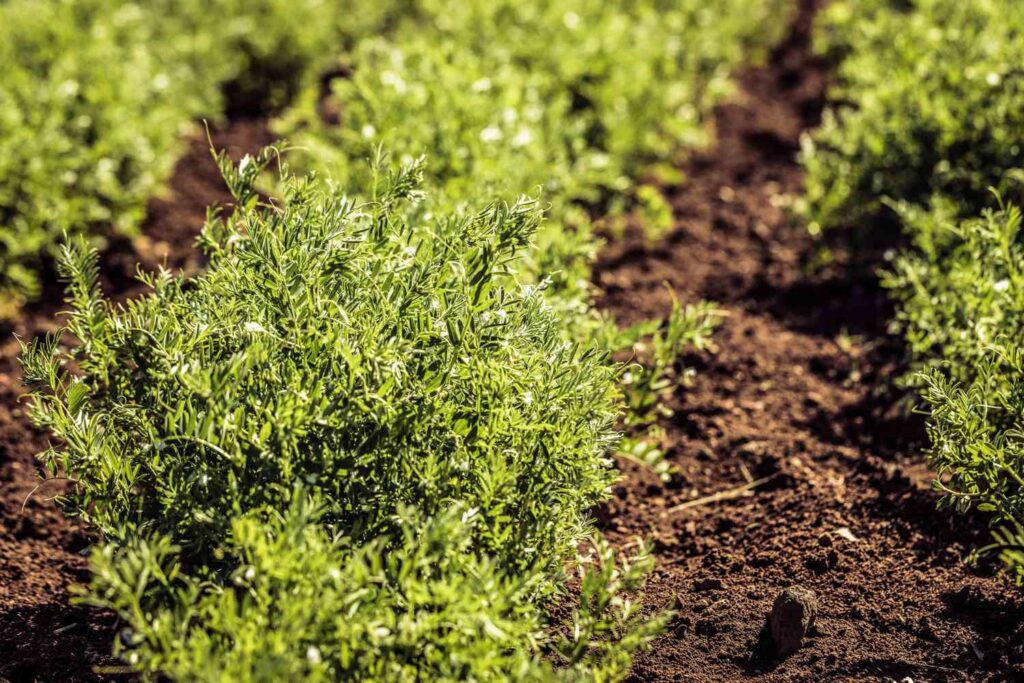
Lentil plants have been a staple in many cuisines for thousands of years, but their significance extends far beyond the dinner plate. These humble legumes are packed with nutrients, have been linked to improved soil health, and can even be used as natural pest control agents.
In this article, we’ll delve into the world of lentils, exploring their history, cultivation, harvesting, and uses in cooking. Whether you’re a seasoned gardener or an avid cook, there’s something for everyone when it comes to these incredible plants.
The Ancient History of Lentil Plants
Lentil plants have their roots in ancient civilizations, specifically in the Middle East. The scientific name, Lens culinaris, and belongs to the family Leguminosae (or Fabaceae), just like beans, peas, and chickpeas. From there, they spread throughout the Mediterranean coasts, conquering the palates of Greeks and Romans.
The earliest recorded evidence of lentil cultivation dates back to around 9000 BCE in present-day Afghanistan. The plant was highly valued for its nutritional properties, versatility, and ease of cultivation. Lentils were often used as a form of currency or traded extensively throughout the ancient world.
Growing Lentil Plants: A Guide for Gardeners
Before we dive into the nitty-gritty of growing lentils, it’s essential to understand what makes them tick. Lentil plants are relatively low-maintenance, preferring well-draining soil with a sandy texture. They’re also surprisingly adaptable, thriving in conditions that would be challenging for other crops.
To get started, choose a spot with full sun and well-drained soil. Sow your lentils in the fall or early spring, depending on your climate. Aim for 5-6 seeds per bunch, spaced 15 cm apart, and water them lightly but thoroughly.
Soil Requirements for Lentil Plants
Lentils require specific soil conditions to thrive. Here are some guidelines to consider:
- pH: 6.0-7.0
- Texture: Sandy or sandy-loam
- Depth: 30-40 cm (12-16 inches)
- Organic matter: 10-15%
Cleaning Your Lentil Plants
While lentils don’t require extensive care, regular cleaning is crucial to prevent pests and diseases from taking hold. Remove weeds manually or using the technique of rincalzatura, which involves lightly zapping the soil with your hands to dislodge any unwanted guests.
In the winter, avoid mulching, as it can lead to excess moisture. In spring, install a light layer of straw instead. The key is to keep the area around your lentils weed-free and well-ventilated.
Harvesting Lentil Plants
Lentils are ready to harvest when the bursels are hardened and swollen. To avoid damaging the plants, pull them out entirely as soon as possible. In the past, this involved leaving the plants on the ground to dry before beating them with force to extract the legumes.
Today, we prefer a more gentle approach, allowing the plants to dry in protected areas to minimize parasite attacks.
Pests and Diseases: The Lentil Plant’s Worst Enemies
Aphids, sitona of the pea (Sitona lineatus), and marcescences radicles are some of the pests and diseases that target lentil plants. To combat these threats, focus on maintaining a clean garden, avoiding overwatering, and keeping an eye out for signs of infestation.
Pest Control Strategies
To manage pest populations effectively:
- Use neem oil or insecticidal soap to control aphids and whiteflies
- Apply row covers to prevent flea beetles from reaching your lentils
- Hand-pick parasitic wasps and other unwanted insects
- Encourage beneficial insects, like ladybugs and lacewings, by providing shelter and food sources
Disease Prevention
To prevent disease outbreaks:
- Improve air circulation around the plants
- Avoid overwatering, which can lead to fungal diseases
- Remove infected or diseased plants promptly
- Apply fungicides as a last resort, choosing organic options whenever possible
Unlocking the Power of Lentils
Lentils are more than just a nutritious addition to your diet; they also offer numerous benefits for your soil and local ecosystem. By incorporating lentils into your gardening routine, you can:
- Improve soil fertility through symbiotic relationships with Rhizobium bacteria
- Enhance crop yields by providing nitrogen-rich nutrients
- Reduce parasite attacks and pest populations
Contribution to Soil Health
Lentil plants are known to improve soil health in several ways:
- They fix atmospheric nitrogen using their roots, reducing the need for synthetic fertilizers.
- They create a network of nodules, which provide habitat for beneficial microorganisms.
- They release nutrients into the soil as they decompose.
Benefits for Local Ecosystems
Lentils can also benefit local ecosystems by:
- Providing a food source for wildlife, like birds and small mammals
- Supporting biodiversity through their symbiotic relationships with other organisms
- Reducing pesticide use and promoting integrated pest management
Conclusion
Lentil plants have come a long way from their ancient roots in the Middle East. By understanding their history, cultivation, harvesting, and uses, you can unlock the full potential of these incredible legumes.
Whether you’re growing lentils for yourself or exploring their versatility in cooking, remember that this superfood is not just about taste – it’s also about community, sustainability, and the power to create a more resilient food system.
Frequently Asked Questions
- Q: Can I grow lentils in containers?
A: Yes! Lentil plants can thrive in containers, provided they receive adequate sunlight, water, and nutrients. - Q: How long does it take for lentils to mature?
A: The maturation period of lentil plants varies depending on factors like climate, soil quality, and variety. On average, it takes around 60-90 days from sowing to harvest. - Q: Can I use lentils in both summer and winter dishes?
A: Yes! Lentils can be used in a wide range of recipes, from soups and stews to salads and side dishes. Experiment with different seasonings and ingredients to find your favorite ways to enjoy lentils. - Q: Are there any specific types of soil that are best suited for lentil cultivation?
A: Yes! Lentil plants prefer well-draining soils with a sandy texture, but they can also thrive in argillic or limo-sandy conditions. - Q: Can I use lentils as natural pest control agents?
A: Yes! Lentil plants have natural pest-repellent properties that can help deter aphids and other unwanted critters. - Q: How do I dry lentil plants for storage?
A: To dry lentil plants, simply allow them to air-dry in a protected area or use a food dehydrator on a low setting. - Q: Can I grow multiple varieties of lentils together?
A: Yes! Lentil plants can be grown alongside other legumes like beans and peas, but make sure to provide adequate space and resources for each variety. - Q: Are there any specific health benefits associated with consuming lentils?
A: Yes! Lentils are an excellent source of plant-based protein, fiber, and nutrients, making them a nutritious addition to your diet.
Additional Resources
- National Lentil Association (NLA) – A comprehensive resource for lentil enthusiasts
- USDA’s Plant Hardiness Zone Map – Helps determine the best regions for growing lentils
- The World Health Organization (WHO) – Provides information on lentil nutrition and health benefits
By embracing the power of lentils, you’ll not only be contributing to a more sustainable food system but also experiencing the many rewards that come with cultivating these incredible legumes.


