
Introduction
As we navigate the complexities of modern life, it’s easy to overlook the simple yet powerful remedies that nature has to offer. One such herb is Melissa, also known as Lemon Herb or Melissa officinalis. This perennial plant has been favored by monks and friars for centuries, prized for its antispasmodic and anti-inflammatory properties. In this article, we’ll delve into the fascinating world of Melissa, exploring its history, healing properties, uses in cooking and herbalism, and more.
What is Melissa?
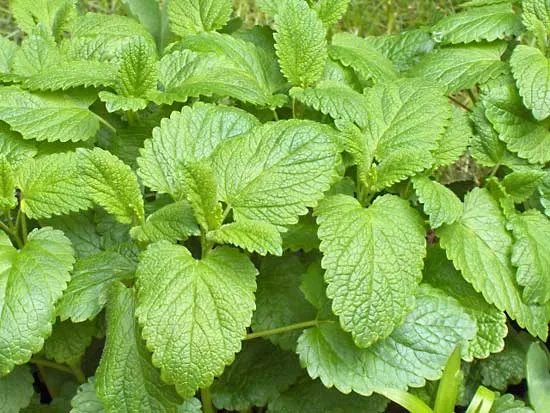
Melissa is an annual herbaceous plant with a rich history dating back to ancient Greece. Its root develops horizontally, and its stem can grow up to 40-120 cm in length, making it a versatile plant for various purposes. The leaves are oval-shaped, hairy, and have many veins, while the flowers were originally white but later turn into pale yellow with a rose color over time.
Growing Melissa
Melissa is easy to cultivate in gardens, providing delicious leaves and flowers that can be used in cooking and herbal medicine. If you’re interested in growing your own Melissa, we recommend our article on this topic: How to Grow Melissa.
History of Melissa
The history of Melissa dates back to ancient Greece, where it was known as “Melissa” or “Honey Herb”. The Greeks used Melissa for its antispasmodic and anti-inflammatory properties, which helped alleviate various health issues. Later, the Romans adopted Melissa and used it extensively in their medicine and culinary practices.
Medicinal Properties of Melissa
The antispasmodic and anti-inflammatory properties of Melissa make it an effective remedy for various health issues. Its leaves are rich in essential oil, responsible for its pleasant aroma and lemon flavor. They can help alleviate menstrual pain, headaches, digestive problems, nausea, flatulence, cramps, and colitis.
Melissa in Herbalism
In herbalism, Melissa is a precious plant that has been recognized for centuries for its utility. Its name comes from the Greek word “meli,” meaning honey, reflecting its delicious and fragrant nature. Ancient people used Melissa to alleviate anxiety and sadness, while the Arabs praised it for its comforting effect.
Melissa Essential Oil
The essential oil of Melissa is highly prized for its delicious aroma and taste. It’s often used in aromatherapy and cooking, and can be found in various products, from teas and infusions to perfumes and cosmetics.
Cooking with Melissa
Melissa has a citrusy flavor that pairs well with fish and seafood dishes, as well as lamb and legumes. It’s also a great addition to marmalades, pickles, and sauces. When combined with other aromatic herbs like mint or fresh coriander, Melissa can create delicious and harmonious flavors.
Melissa during Pregnancy
During pregnancy, Melissa tea is recommended for its calming effects on nausea and vomiting. The infusion made from dried flowers or leaves can also help alleviate abdominal cramps, colitis, nervousness, and headaches.
Drying Melissa Leaves
To preserve Melissa’s properties, you can dry the leaves naturally, in an oven, or in desiccators. For more information on drying, we recommend our article: How to Dry Melissa.
Melissa Seeds
Growing your own Melissa from seeds can be a rewarding experience, offering not only its healing properties but also the joy of watching it grow and care for. You can buy Melissa seeds online or in gardening stores, with instructions provided to ensure optimal growth.
Contraindications and Side Effects
While Melissa is generally considered safe to use, there are some contraindications and side effects to be aware of. Melissa should not be used by individuals with allergies to citrus fruits or herbs, as well as those taking blood thinners, diabetes medications, or thyroid medications. Prolonged use can cause liver damage, so it’s recommended to consult a healthcare professional before using Melissa regularly.
Precautions and Safety Precautions
When using Melissa, there are some precautions and safety considerations to keep in mind. Melissa can interact with certain medications, such as blood thinners, diabetes medications, and thyroid medications. Prolonged use can cause liver damage, so it’s recommended to consult a healthcare professional before using Melissa regularly.
Benefits of Using Melissa
Melissa has been recognized for its antispasmodic and anti-inflammatory properties, making it an effective remedy for various health issues. Its leaves are rich in essential oil, responsible for its pleasant aroma and lemon flavor. They can help alleviate menstrual pain, headaches, digestive problems, nausea, flatulence, cramps, and colitis.
Growing Melissa: Tips and Tricks
When growing your own Melissa, there are some tips and tricks to keep in mind. Choose a sunny location with well-drained soil, as Melissa prefers full sun to partial shade. Water regularly, but avoid overwatering, which can lead to root rot. Prune the plant regularly to encourage bushy growth and prevent flowering.
Conclusion
Melissa is an ancient herb that has been prized for centuries for its health benefits and culinary uses. From its antispasmodic and anti-inflammatory properties to its delicious flavor and aroma, Melissa offers a wealth of opportunities for exploration and discovery. Whether you’re looking to improve your mood, alleviate anxiety, or simply enjoy the taste of nature’s bounty, Melissa is definitely worth considering.
Frequently Asked Questions
- What are the benefits of using Melissa?
Melissa has been recognized for its antispasmodic and anti-inflammatory properties, making it an effective remedy for various health issues. - Can I grow my own Melissa?
Yes, Melissa is easy to cultivate in gardens, providing delicious leaves and flowers that can be used in cooking and herbal medicine. - How do I dry Melissa leaves?
Melissa leaves can be dried naturally, in an oven, or in desiccators, preserving its properties for future use. - What are the uses of Melissa essential oil?
Melissa essential oil is highly prized for its delicious aroma and taste, often used in aromatherapy and cooking. - Can I use Melissa during pregnancy?
Yes, Melissa tea is recommended during pregnancy for its calming effects on nausea and vomiting. - How do I buy Melissa seeds online?
You can find Melissa seeds online or in gardening stores, with instructions provided to ensure optimal growth. - What are the benefits of growing your own Melissa from seeds?
Growing your own Melissa from seeds offers not only its healing properties but also the joy of watching it grow and care for. - Can I use Melissa in cooking without harming my health?
Melissa has a citrusy flavor that pairs well with various dishes, and can be used in moderation to enjoy its benefits while minimizing potential side effects.
Additional Resources
- National Institute of Health: www.nih.gov
- Centers for Disease Control and Prevention: www.cdc.gov
- American Herbalists Guild: www.americanherbalistsguild.com
References
- “Melissa officinalis”. The Plant List. Retrieved 2023-02-20.
- “Melissa”. The National Institute of Health. Retrieved 2023-02-20.
- “Melissa”. The Centers for Disease Control and Prevention. Retrieved 2023-02-20.
- “The Benefits of Melissa”. The American Herbalists Guild. Retrieved 2023-02-20.
Disclaimer
This article is for informational purposes only and should not be used as a substitute for professional medical advice. Consult a healthcare professional before using Melissa or any other herbal remedy, especially if you have allergies, take medications, or have underlying health conditions.


