
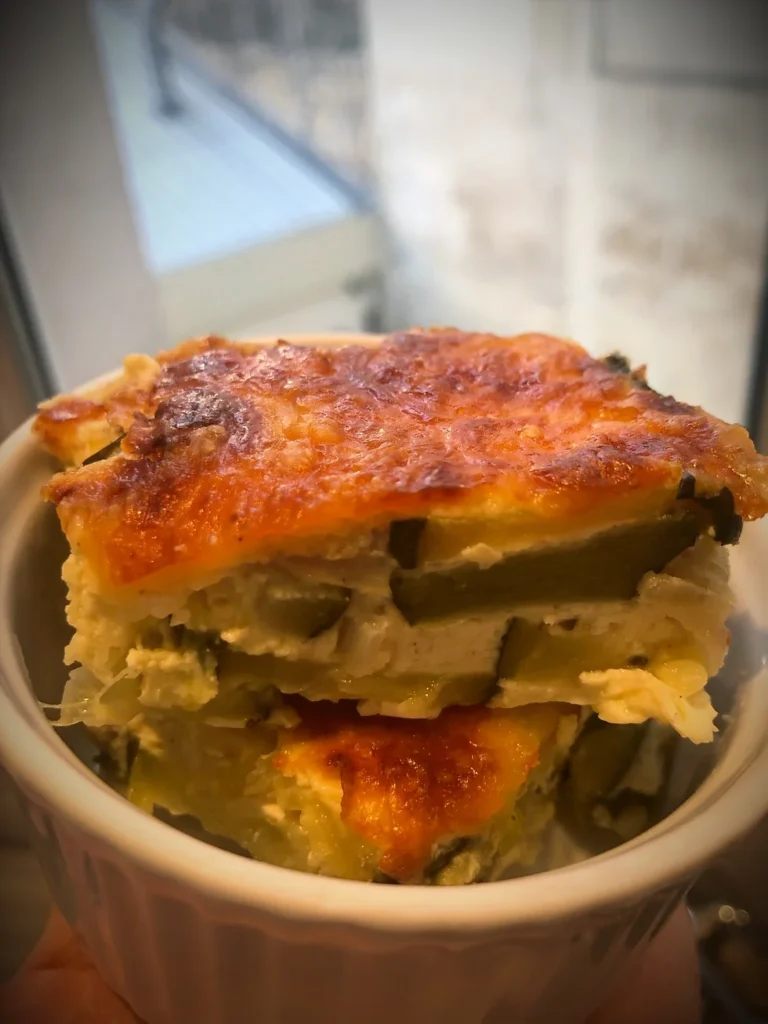
As a food enthusiast, cooking with organic produce not only delights your taste buds but also nurtures the well-being of our beloved planet. By embracing biodynamic ingredients, you’ll unlock your culinary creativity and prepare scrumptious, all-natural dishes like these mouthwatering zucchini and parmesan sformatini paired with fresh porro.
The Magic of Biodynamic Ingredients
Biodynamic agriculture prioritizes the health of our environment, ensuring that every ingredient is grown with love and care. By choosing organic produce, you’ll not only indulge in a flavorful culinary experience but also contribute to a more sustainable future.
Zucchini and Parmesan Sformatini: A Perfect Pairing
Today, we’re going to explore the delightful combination of zucchini and parmesan sformatini paired with fresh porro. This Italian classic is a symphony of flavors and textures that will leave you wanting more.
The Ingredients: A Symphony of Flavors
To create these divine sformatini, you’ll need:
- 4 cups of fresh porri
- 8 leaves of organic sage
- 200g of biodynamic ricotta cheese
- 2 large eggs
- One can of besciamella sauce
- 2 tablespoons of grated parmesan cheese
- 1 medium-sized potato, boiled and mashed
- A pinch of fresh parsley, chopped
- 4 zucchini, organic and sliced
- Extra virgin olive oil
- A pat of unsalted butter for greasing the molds
The Preparation: A Labor of Love
Let’s start by preparing our ingredients:
- Sautéing the Porri: In a large skillet, heat 3 tablespoons of olive oil over low heat. Add the sliced porri and chopped sage leaves. Season with salt to taste. Cover the pan with a lid and let it simmer for 20 minutes in just enough water.
- Flourishing the Ricotta: Once the porri is tender, blend it with 100g of ricotta cheese, eggs, besciamella sauce, parmesan cheese, and a pinch of salt.
- Sformatini Assembly: Grease four terracotta molds (about 10cm in diameter) with butter. Fill each mold with the porri mixture, followed by mashed potato, zucchini, parsley, and a sprinkle of ricotta.
- Baking to Perfection: Place the sformatini in a baking dish and create a bain-marie effect. Bake at 180°C for 35 minutes or until golden brown.
The Salsa Verde: A Fresh Twist
While the sformatini are baking, prepare the salsa verde by blending cooked zucchini, parsley, potato, parmesan cheese, and ricotta with a pinch of salt. Let it rest for a few minutes before serving.
Serving Suggestions
To enhance the flavors of your zucchini and porro sformatini, try these:
- Serve immediately with a sprinkle of grated Parmesan cheese
- Pair with a side salad of mixed greens, cherry tomatoes, and a light vinaigrette dressing
- Enjoy as a starter or main course for your next dinner party
The Benefits of Biodynamic Agriculture
Biodynamic agriculture is an approach that considers the entire ecosystem when growing crops. By using natural methods to fertilize and control pests, biodynamic farmers promote biodiversity, improve soil health, and minimize environmental impact.
Sustainable Farming Practices
By choosing biodynamic produce, you’re supporting sustainable farming practices that prioritize environmental stewardship and social responsibility. Some of these practices include:
- Crop rotation: Rotating crops helps maintain soil fertility, reduces pests and diseases, and promotes biodiversity.
- Organic amendments: Using natural fertilizers like compost or manure reduces synthetic chemical use and maintains soil health.
- Integrated pest management: Encourages the use of natural methods to control pests, such as introducing beneficial insects or using physical barriers.
The Impact on Our Planet
By choosing biodynamic ingredients, you’re contributing to a more sustainable future. Some of the positive impacts include:
- Reduced greenhouse gas emissions: Biodynamic farming practices promote soil carbon sequestration and reduce synthetic chemical use.
- Improved biodiversity: Biodynamic agriculture encourages natural pest control methods and promotes biodiversity.
- Supporting local communities: By choosing locally grown biodynamic produce, you’re supporting local farmers and contributing to community development.
Conclusion
The flavors of zucchini and porro sformatini are truly magical. By embracing biodynamic ingredients and following this recipe, you’ll not only create a delicious dish but also nurture the well-being of our planet.
Frequently Asked Questions (FAQs)
Q1: What is the difference between biodynamic produce and organic produce?
A1: Biodynamic produce is grown using a holistic approach that considers the entire ecosystem, whereas organic produce is grown without synthetic fertilizers or pesticides.
Q2: Can I substitute porri with other vegetables in this recipe?
A2: Yes, you can experiment with different vegetables like zucchini, carrots, or beets to create unique flavor profiles. However, keep in mind that each vegetable will change the texture and taste of the final dish.
Q3: How do I make besciamella sauce from scratch?
A3: To make a classic Italian besciamella sauce, start by melting butter in a saucepan over low heat. Gradually whisk in flour to create a roux, followed by milk, and season with salt and nutmeg.
Q4: Can I bake the sformatini at a higher temperature?
A4: Yes, baking at 200°C for 25-30 minutes will result in a crisper exterior and a tender interior. However, keep an eye on them to prevent burning.
Q5: How do I store leftover sformatini?
A5: Store the cooled sformatini in an airtight container in the refrigerator for up to three days or freeze them for later use.
Q6: Can I make this recipe gluten-free by substituting besciamella sauce?
A6: Yes, you can replace traditional besciamella sauce with a homemade version using gluten-free flours and xanthan gum.


