
Introduction
Leeks, a member of the onion family, are a versatile and nutritious vegetable that can be grown in various conditions. They are rich in antioxidants, vitamins, and minerals, making them an excellent addition to any meal. In this article, we will delve into the world of leek cultivation, covering everything from seed selection to harvesting.
What is Leeks?
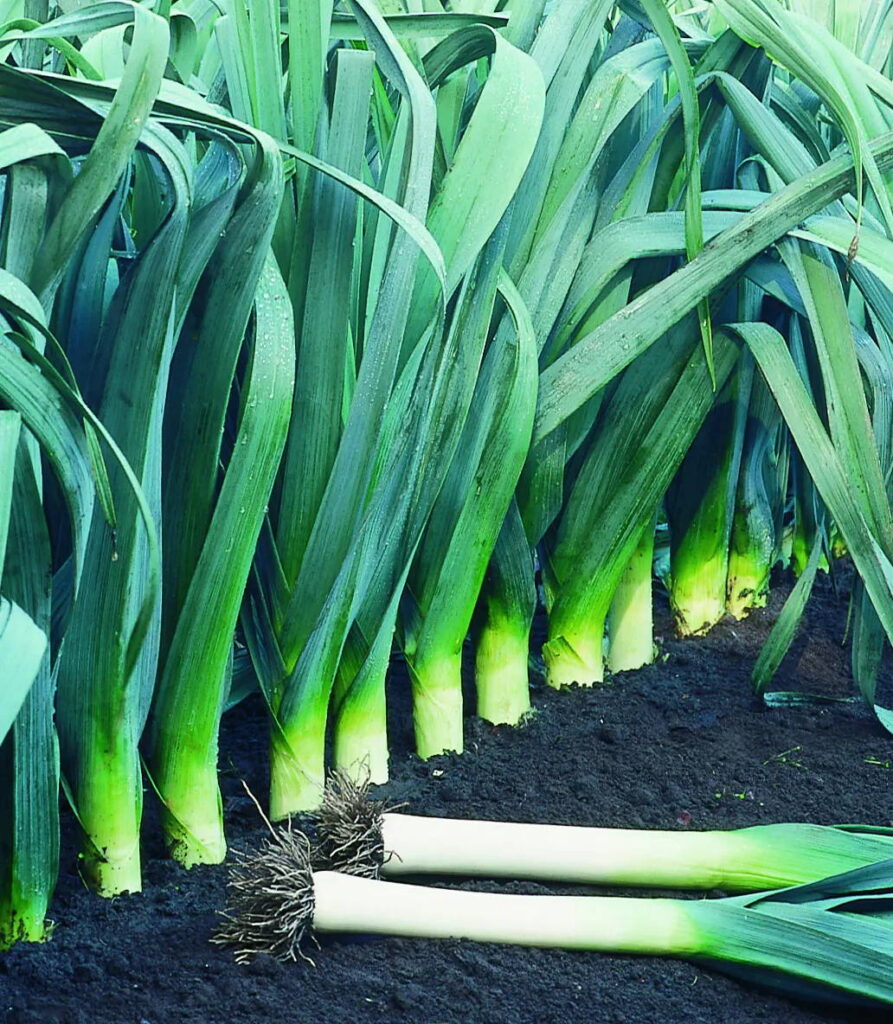
Leeks (Allium ampeloprasum) are a type of perennial herb that belongs to the Allium family. They are native to the Mediterranean region and have been cultivated for centuries. Leeks are characterized by their long, thin leaves, which can grow up to 2 feet in length.
Choosing the Right Variety
When it comes to growing leeks, choosing the right variety is crucial. There are several types of leeks available, each with its unique characteristics and growth habits. Some popular varieties include:
- Giant Winter Leek: This variety grows to be around 12 inches tall and has a sweet, mild flavor.
- Rouen Leek: This variety grows to be around 18 inches tall and has a stronger flavor than the Giant Winter Leek.
- Excelsior Leek: This variety grows to be around 24 inches tall and has a sweet, slightly spicy flavor.
When to Plant Leeks
Leeks can be grown in most climates, but the ideal time to plant them depends on the variety. In general, it’s best to plant leeks in the fall or early spring, when the weather is cooler.
- Fall Planting: This is a great time to plant leeks if you live in a temperate climate with mild winters. Simply sow the seeds in late August or early September, and thin them out to about 2-3 inches apart.
- Spring Planting: If you live in an area with cold winters, it’s best to plant leeks in early spring, around February or March. Sow the seeds about 1/4 inch deep and 6-8 inches apart.
Preparing the Soil
Before planting leeks, you’ll need to prepare the soil. Leeks prefer well-draining, fertile soil that is rich in organic matter. If your soil is heavy clay or sandy, mix in some compost or well-rotted manure to improve its structure.
- Soil pH: Leeks prefer a slightly acidic to neutral soil pH, ranging from 6.0 to 7.0.
- Soil Texture: Leeks prefer a medium to coarse texture, with good drainage.
Planting Leeks
Once your soil is prepared, it’s time to plant the leek seeds. Follow these steps:
- Sow the seeds about 1/4 inch deep and 6-8 inches apart.
- Cover the seeds with a thin layer of soil.
- Water gently but thoroughly.
Caring for Leeks
Leeks are relatively low-maintenance plants, but they do require some care to thrive. Here are some tips:
- Watering: Leeks need consistent moisture, especially during the first few weeks after planting. Make sure to water them regularly, but avoid overwatering.
- Fertilization: Feed your leeks with a balanced fertilizer once a month.
- Pest Control: Keep an eye out for pests like aphids, slugs, and snails.
Harvesting Leeks
Leeks are ready to harvest when the leaves start to turn white and the bulb starts to form. Here’s how to harvest them:
- Dig around the leek plants with a fork, being careful not to damage the bulbs.
- Lift out the leeks and trim off any damaged or wilted leaves.
- Wash the leeks gently under cold running water.
Using Leeks in Cooking
Leeks are a versatile ingredient that can be used in a variety of dishes. Here are some ideas:
- Soups: Leeks add a rich, savory flavor to soups like creamy soups and clear broths.
- Stews: Leeks pair well with beef, lamb, and chicken stews.
- Salads: Thinly slice leeks and toss them in salads for a crunchy texture and sweet flavor.
Tips and Tricks
Here are some additional tips and tricks to help you grow delicious leeks:
- Use a Leek Seed Starter: Start your leek seeds indoors about 6-8 weeks before the last frost date in your area.
- Provide Support: Leeks can grow quite tall, so provide support with stakes or trellises if necessary.
- Keep them Moist: Keep the soil consistently moist during the growing season, but avoid overwatering.
Conclusion
Growing leeks is a rewarding experience that can provide you with fresh, delicious vegetables all season long. By following these tips, you’ll be well on your way to becoming a successful leek grower.
FAQs
- Q: What is the best time to plant leeks?
A: The ideal time to plant leeks depends on the variety and climate. In general, it’s best to plant in the fall or early spring. - Q: How do I prepare the soil for leeks?
A: Leeks prefer well-draining, fertile soil that is rich in organic matter. Mix in compost or well-rotted manure to improve its structure. - Q: Can I grow leeks in a container?
A: Yes, you can grow leeks in a container using good quality potting mix and a planter with drainage holes. - Q: How often should I water my leeks?
A: Leeks need consistent moisture, especially during the first few weeks after planting. Water them regularly, but avoid overwatering. - Q: Can I use leeks in salads?
A: Yes, thinly slice leeks and toss them in salads for a crunchy texture and sweet flavor. - Q: How do I harvest my leeks?
A: Leeks are ready to harvest when the leaves start to turn white and the bulb starts to form. Dig around the plants with a fork and lift out the leeks. - Q: Can I grow multiple varieties of leeks together?
A: Yes, you can grow multiple varieties of leeks together, but make sure to plant them in different sections or beds to avoid competition for space and resources. - Q: How long do leeks take to mature?
A: Leeks typically take around 6-8 months to mature after planting.
Note: The above article is a general guide and may not be applicable to all regions or climates. Always check with local gardening experts or your nursery for specific advice on growing leeks in your area.


