
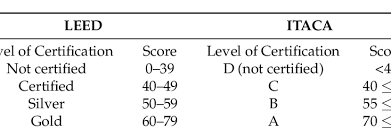
As the world grapples with the challenges of climate change, sustainable building has become an increasingly important aspect of construction. The LEED (Leadership in Energy and Environmental Design) certification has long been a benchmark for green buildings, but now it’s about to get some serious competition from ITACA, a new protocol that’s aiming to shake up the industry.
A New Era of Certification
The partnership between LEED and ITACA marks a significant shift towards unifying the world of sustainable building. By combining the international recognition and prestige of LEED with the practical applications of ITACA, this new certification is poised to revolutionize the way we think about sustainability in construction.
In recent years, there has been a growing demand for more comprehensive and practical approaches to sustainability in building design and construction. While traditional certifications like LEED have provided a framework for architects, builders, and developers to create sustainable buildings, they often rely on complex and costly verification processes that can be time-consuming and expensive.
Why It Matters
The built environment is one of the largest contributors to greenhouse gas emissions, and it’s time for us to take responsibility for our actions. By adopting sustainable building practices, we can reduce our carbon footprint, improve air quality, and create healthier living spaces. The LEED and ITACA certification provides a framework for architects, builders, and developers to make a positive impact on the environment.
The benefits of sustainable building go beyond just environmental concerns. Studies have shown that green buildings can also lead to cost savings, improved occupant health and productivity, and enhanced brand value. By adopting sustainable building practices, businesses can differentiate themselves from competitors, reduce their operational costs, and create a more attractive workplace for employees.
A Unique Approach
So, what makes this new certification so special? In short, it’s about providing a more comprehensive and practical approach to sustainability. By integrating the international standards of LEED with the proven methods of ITACA, this certification is designed to give builders and developers the tools they need to create truly sustainable buildings.
The LEED protocol has been widely adopted globally, but it can be complex and costly to implement. The ITACA protocol, on the other hand, focuses on practical applications of sustainable building practices, making it more accessible and affordable for small and medium-sized businesses.
The Process
So, how does it work? The process involves two main areas of evaluation:
- Consumption of Resources: This area assesses the building’s energy efficiency, water usage, material selection, and waste management.
- Environmental Impact: This area looks at the building’s carbon footprint, emissions, and overall environmental sustainability.
By meeting these criteria, buildings can earn a unique certification that reflects their commitment to sustainability.
The Benefits
So, what does this new certification mean for builders, developers, and consumers? Here are just a few benefits:
- Increased recognition and prestige for sustainable buildings
- Improved energy efficiency and reduced carbon emissions
- Healthier living spaces and improved air quality
- Access to new funding opportunities and incentives
- Enhanced reputation and brand value
A New Standard of Sustainability
The LEED and ITACA certification represents a major breakthrough in the world of sustainable building. By combining the best practices of two leading protocols, this new certification is poised to set a new standard for sustainability in construction.
How It Works
To earn LEED and ITACA certification, buildings must undergo a rigorous evaluation process that assesses their energy efficiency, water usage, material selection, waste management, and environmental impact. The evaluation process typically involves the following steps:
- Pre-certification: The building’s owner or developer completes a pre-certification questionnaire to gather information about the building’s energy efficiency, water usage, material selection, and waste management practices.
- Commissioning: A third-party commissioning agent conducts an on-site assessment of the building’s systems and equipment to verify compliance with LEED and ITACA standards.
- Verification: The building’s owner or developer submits documentation to support their claims of energy efficiency, water usage, material selection, and waste management practices.
Common Misconceptions
There are several common misconceptions about the LEED and ITACA certification process that need to be addressed:
- Q: Does LEED and ITACA certification require a high upfront cost?
A: No, while some consultants may charge for their services, LEED and ITACA certification can often reduce energy costs over time through efficient design and operation of building systems. - Q: Is the evaluation process lengthy and complicated?
A: While the evaluation process does involve paperwork and on-site assessments, it is designed to be straightforward and accessible. Most buildings can complete the evaluation process within a few months.
Success Stories
The LEED and ITACA certification has already had a significant impact on the built environment. Here are just a few success stories:
- The One World Trade Center, also known as the Freedom Tower, is one of the tallest buildings in the world and was designed with sustainability in mind from the outset.
- The Google campus in Mountain View, California features a range of sustainable building practices, including on-site solar power generation, rainwater harvesting, and green roofs.
These examples demonstrate that LEED and ITACA certification can be achieved through careful planning and design. By incorporating these principles into your building project, you can create a more sustainable and environmentally friendly space for occupants.
A Brighter Future
The partnership between LEED and ITACA represents a major step forward in the world of sustainable building. By providing a comprehensive framework for sustainability, this new certification is poised to set a new standard for buildings that prioritize environmental responsibility.
As we move forward into an increasingly uncertain future, it’s essential that we take action to reduce our impact on the environment. The LEED and ITACA certification provides a clear roadmap for builders, developers, and consumers who want to create more sustainable buildings and contribute to a healthier planet.
Conclusion
In conclusion, the LEED and ITACA certification represents a unique approach to sustainable building that has the potential to revolutionize the industry. By providing a comprehensive framework for sustainability, this new certification is poised to set a new standard for buildings that prioritize environmental responsibility.
Whether you’re an architect, builder, or developer, LEED and ITACA certification can provide numerous benefits, including increased recognition, improved energy efficiency, healthier living spaces, access to new funding opportunities, and enhanced reputation and brand value.
As we look to the future, it’s essential that we take action to reduce our impact on the environment. The LEED and ITACA certification provides a clear roadmap for sustainable building practices that prioritize environmental responsibility and promote a healthier planet for all.


